
Robot cell fluency
Real experience keeping robotic cells and their peripherals producing.
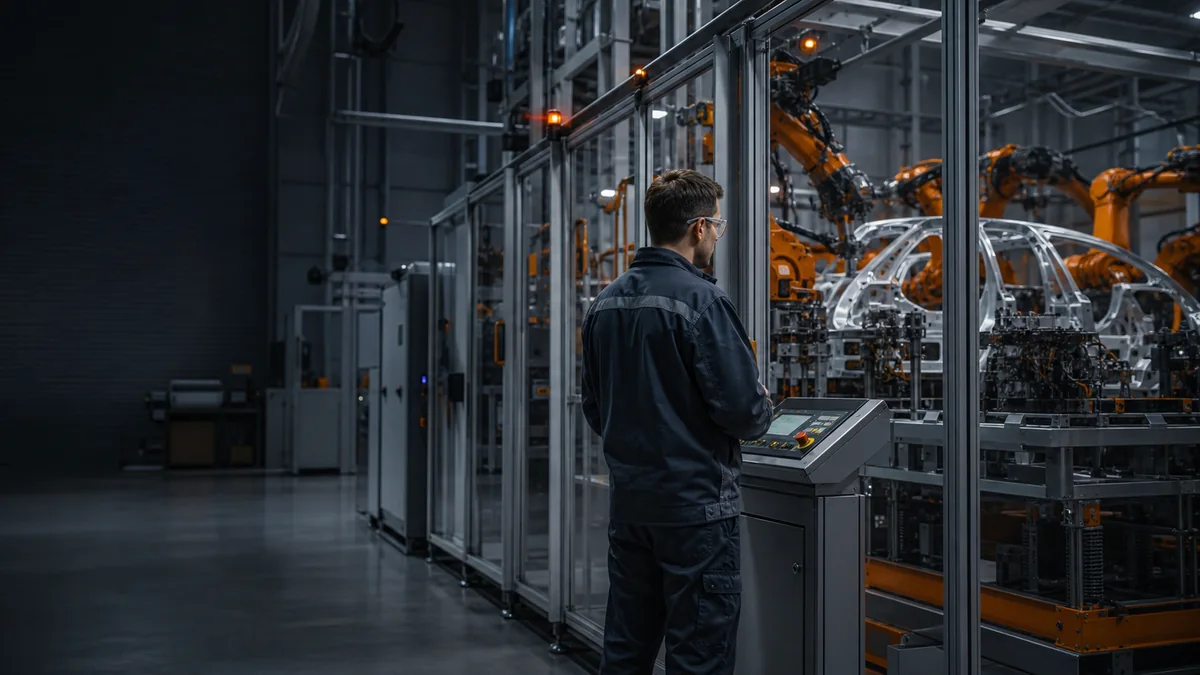
Industry
In automotive production, cycle time is measured in seconds and downtime is measured in money by the minute. That intensity defines which technicians succeed and how you must assess them.
What shapes the work
Automotive production runs at a tempo few other industries match. Lines are highly automated, heavily robotised, and built around cycle times measured in seconds, so a fault that a slower plant would absorb becomes an immediate, measurable loss. A cell running two per cent below rate is not a nuisance here — it is a number someone reports upward the same shift.
This intensity shapes the technical roles. It rewards speed and calm under a stopped line, deep familiarity with robot cells and automated systems, and the diagnostic instinct to distinguish a real fault from normal variation before the line backs up. It also imposes rigour that lighter industries do not: traceability, standardised work, and safety discipline in high-energy robotic environments where shortcuts are genuinely dangerous.
The characteristic automotive hiring mistake is under-weighting temperament. The technical bar is high, but the plants that hire well also test for how a candidate behaves when a line stops and the pressure lands: whether they stay methodical or start swapping parts, whether they respect the safety discipline the environment demands, and whether they can work inside standardised procedures rather than improvising.
Priorities
Roles
Automotive is the heartland of industrial robotics and automation, and it hires accordingly.
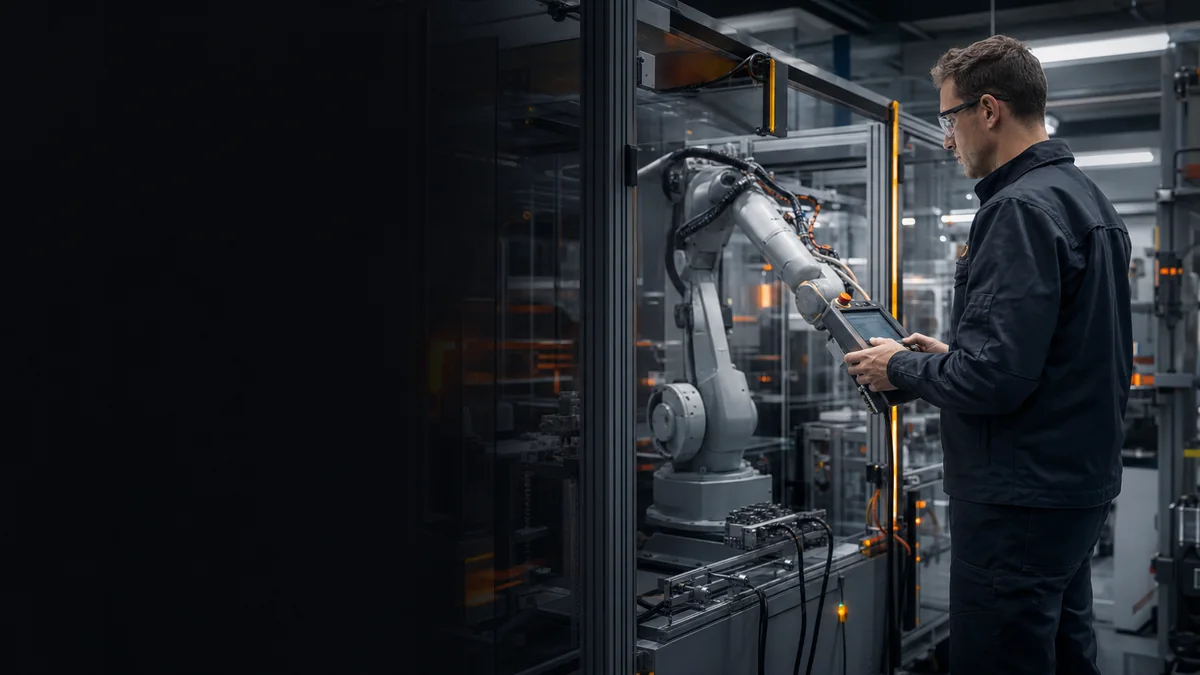
The signature automotive profile: keeping welding, handling and assembly cells producing.
Explore profile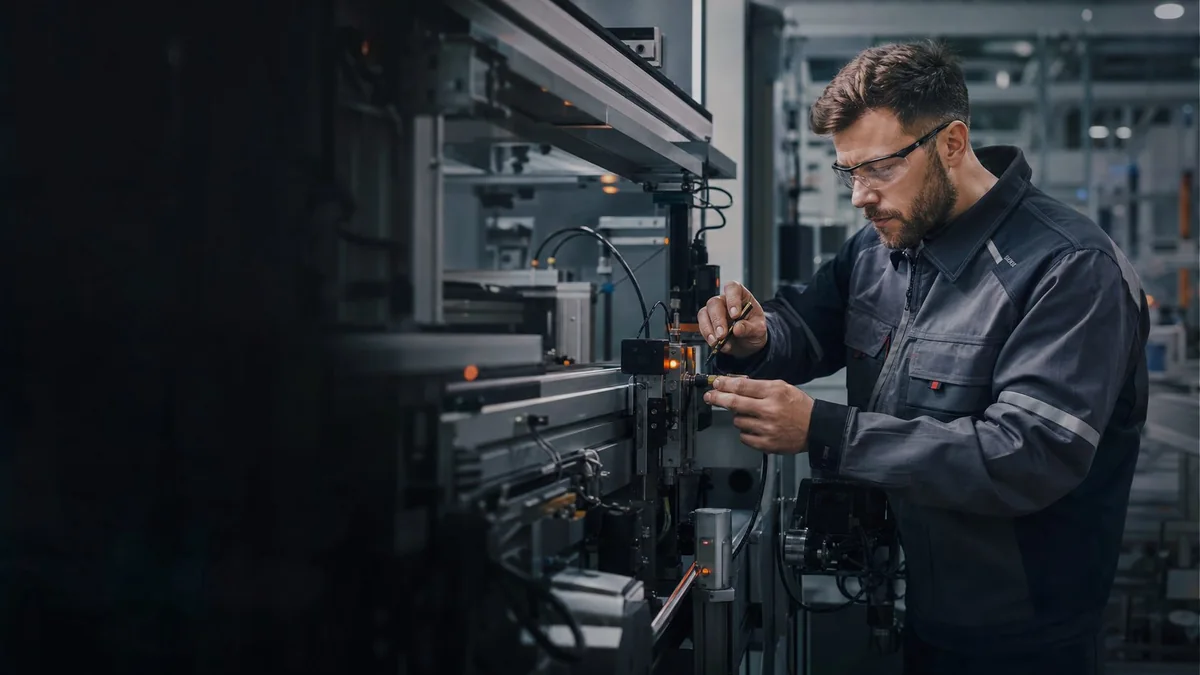
Cross-domain diagnosis on the automated lines where mechanics, electronics and control meet.
Explore profile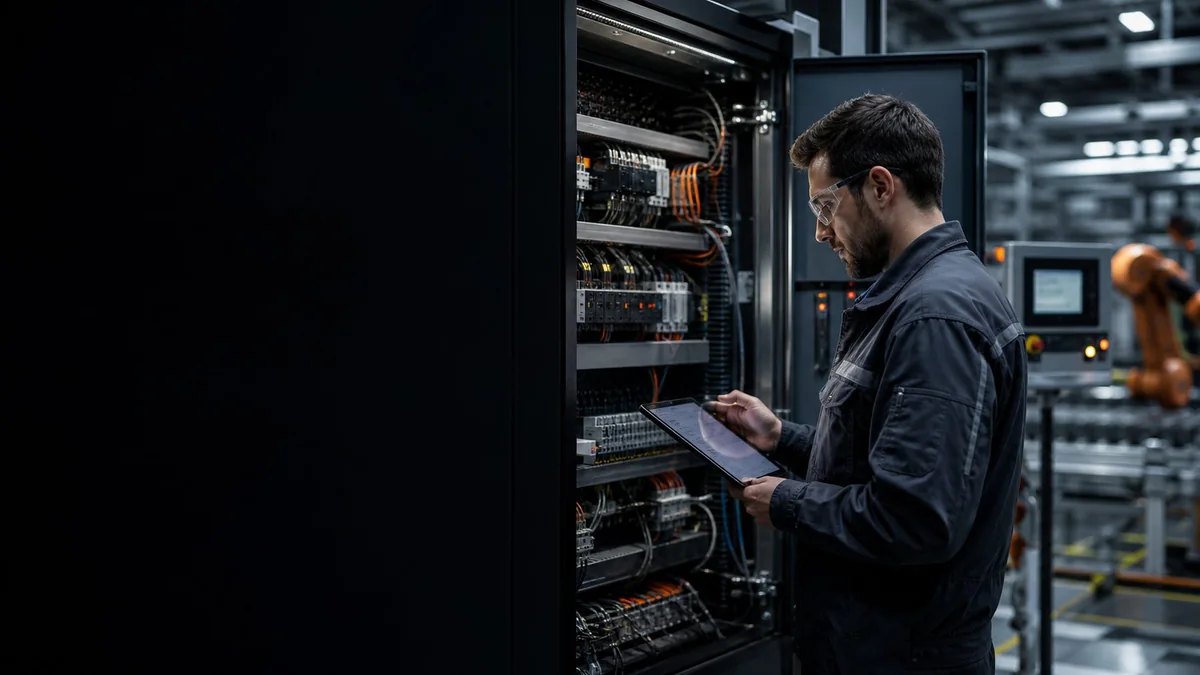
The control layer of high-volume lines and the throughput faults they produce.
Explore profile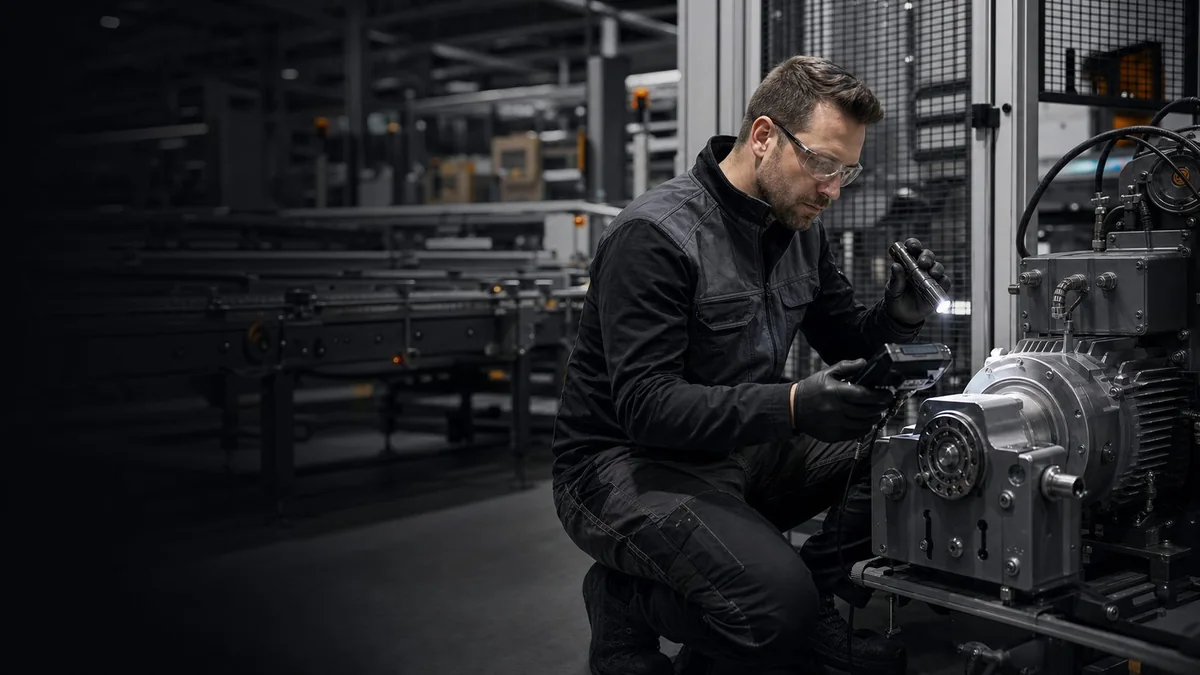
Preventive discipline on equipment where downtime is measured by the minute.
Explore profile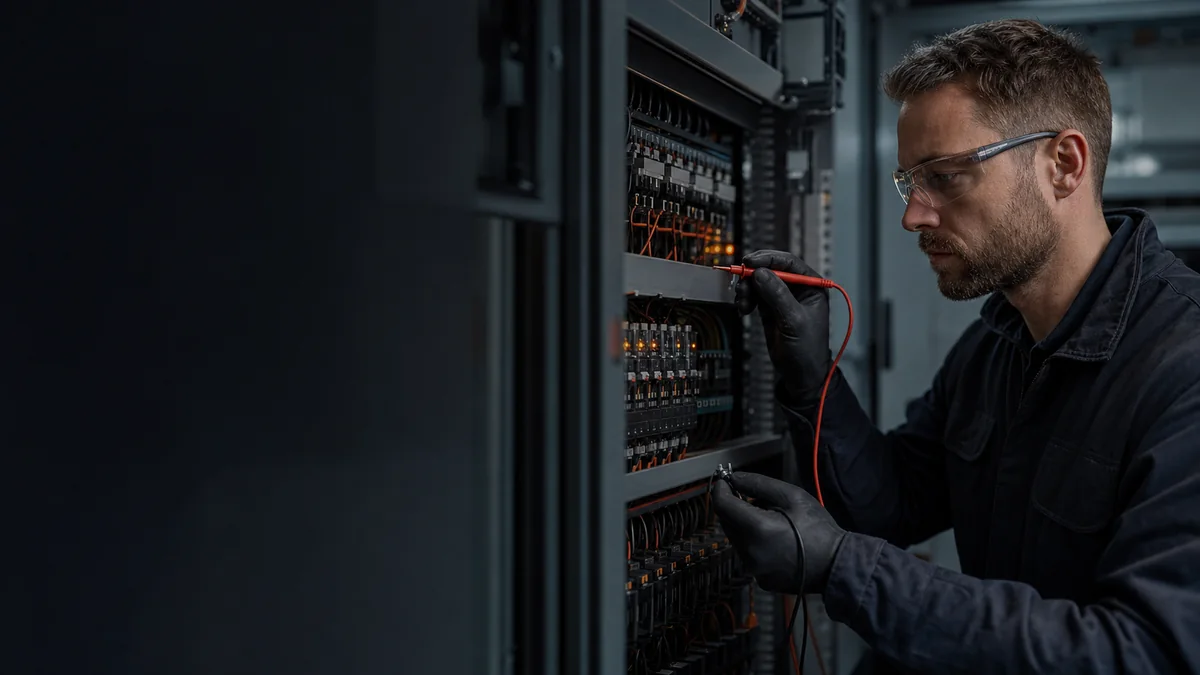
Electrical testing and fault finding across production lines.
Explore profile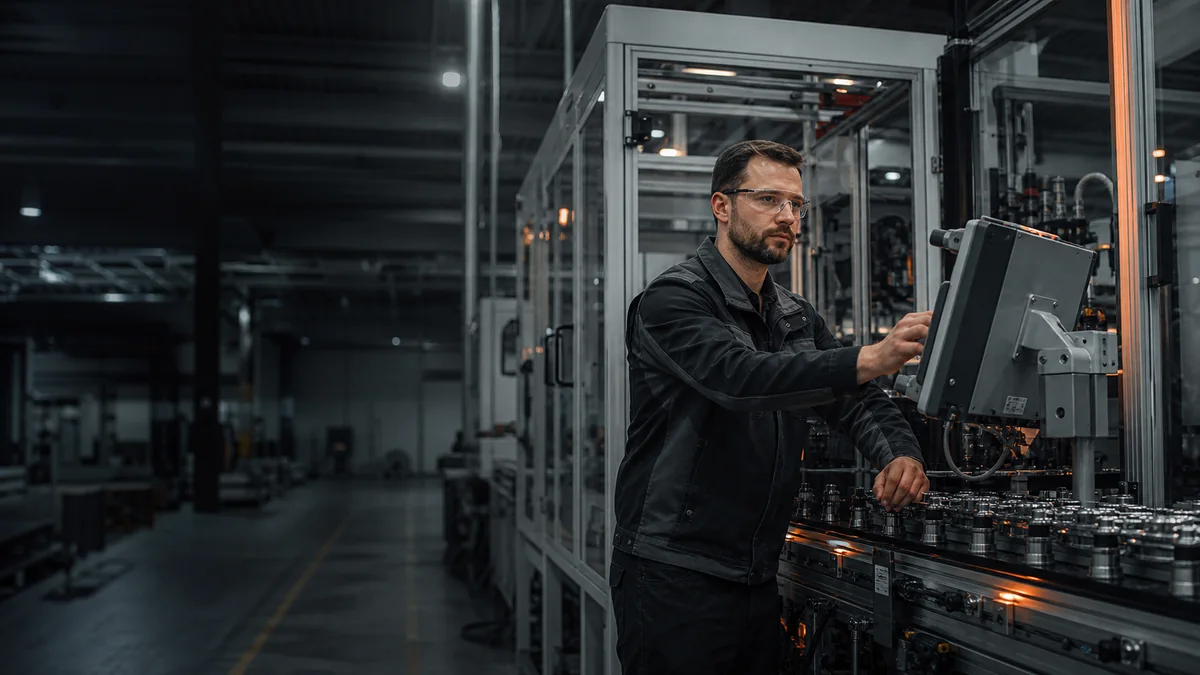
Floor-level support keeping high-availability lines running.
Explore profileEquipment and systems
High automation, high energy, high tempo. Ask which of these they kept running at rate.
Before you write the vacancy
Robot cells, line control, quality systems — specificity attracts the right experience.
Cycle-time pressure and shift intensity are part of the role. Candidates should self-select.
High-energy robotic environments demand it; signal that you take it seriously.
Whether the role means working inside procedures rather than improvising.
Automotive is overwhelmingly shift-based. Be explicit.
Recognition and work authorisation depend on the individual and country.
FAQ
Most often robotics and mechatronics technicians, because automotive lines are among the most heavily robotised and automated in industry. Where the priority is throughput behaviour rather than the cells themselves, automation technicians matter; where it is preventive availability, maintenance technicians do. The common requirement across all of them is performing under cycle-time pressure.
Useful but often over-weighted. Cell-level diagnostic instinct — understanding how vision degrades, how grippers lose repeatability, how a fixture drift mimics a robot fault — transfers between brands faster than a brand specialist develops that instinct. Ask about brands, but weight demonstrated cell diagnosis and calm under downtime above brand familiarity.
Because the cost of downtime is immediate and visible, and the environment is high-energy. A technically strong candidate who starts swapping parts under pressure, or who treats safety discipline as optional in a robotic cell, is a liability regardless of skill. Test how candidates behave when a line stops — methodical diagnosis or panic — because that behaviour is what the role actually costs or saves.
On Candidate Force. Balkan Technician helps you scope the cells, tempo and safety demands; Candidate Force is where you explore profiles, publish the vacancy, receive applications and manage the process.
Explore robotics, mechatronics and automation profiles and continue your hiring in one place.