
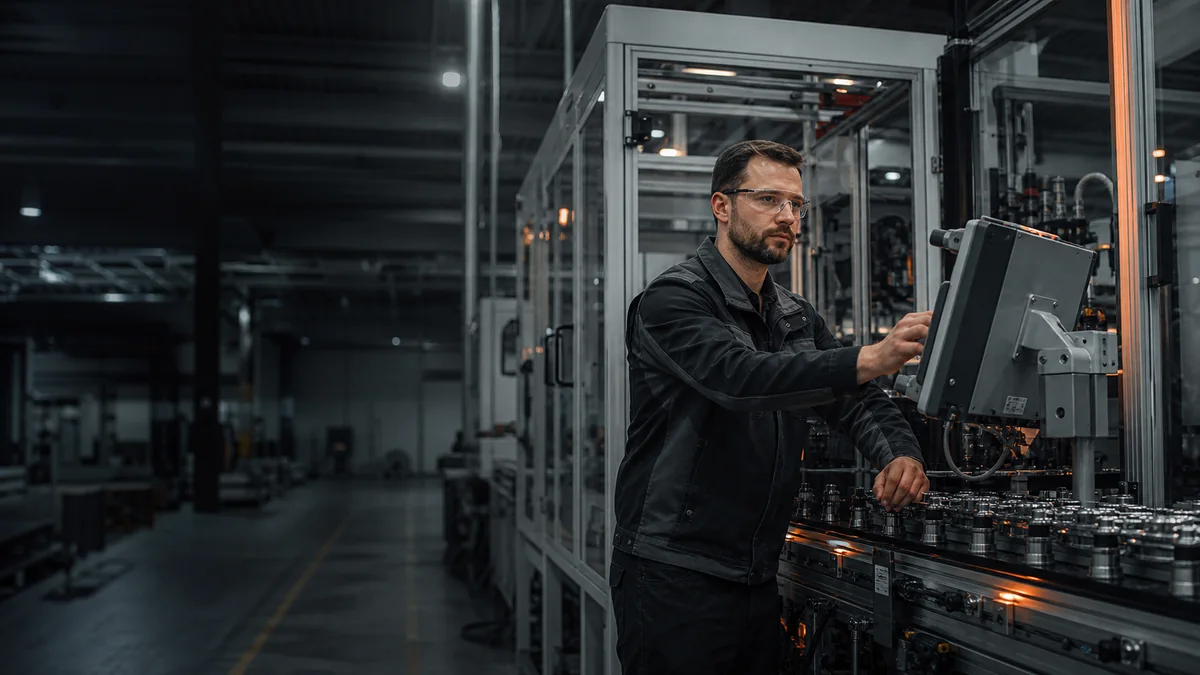
Technician profiles
Technicians for European Industry
Eight distinct technical profiles, described the way they actually work on the shop floor — so you hire the role that solves your problem rather than the title that sounded closest.
What we mean by technician
A Job Title That Hides Eight Different Jobs
“Technician” is one of the least precise words in industrial recruitment. It is applied to someone who calibrates pressure instruments in a chemical plant and to someone who swaps a drive belt on a conveyor, and both are correct. That imprecision is expensive: it produces vacancies that attract the wrong applicants and interviews that test the wrong things.
Balkan Technician deliberately narrows the term. This site covers industrial and technical profiles — people who work with production machinery, automated systems, control equipment, instrumentation and industrial installations. It does not cover IT support, medical, dental, laboratory or telecommunications technicians, because those are different labour markets with different qualifications and different employers.
Within that boundary, the distinction that matters most is what the person is hired to *do* with the equipment. Someone who keeps a running line available is doing different work from someone who brings a new line into operation for the first time, even when both are called technicians and both hold a mechatronics qualification.
The profiles
Eight Technician Specializations
Each page explains the role, the environment, typical responsibilities, the equipment involved and what employers should verify before hiring.
Industrial Technicians
Broad technical support to production: diagnostics, optimisation, process support and documentation.
- Production equipment
- Technical support
- Process documentation
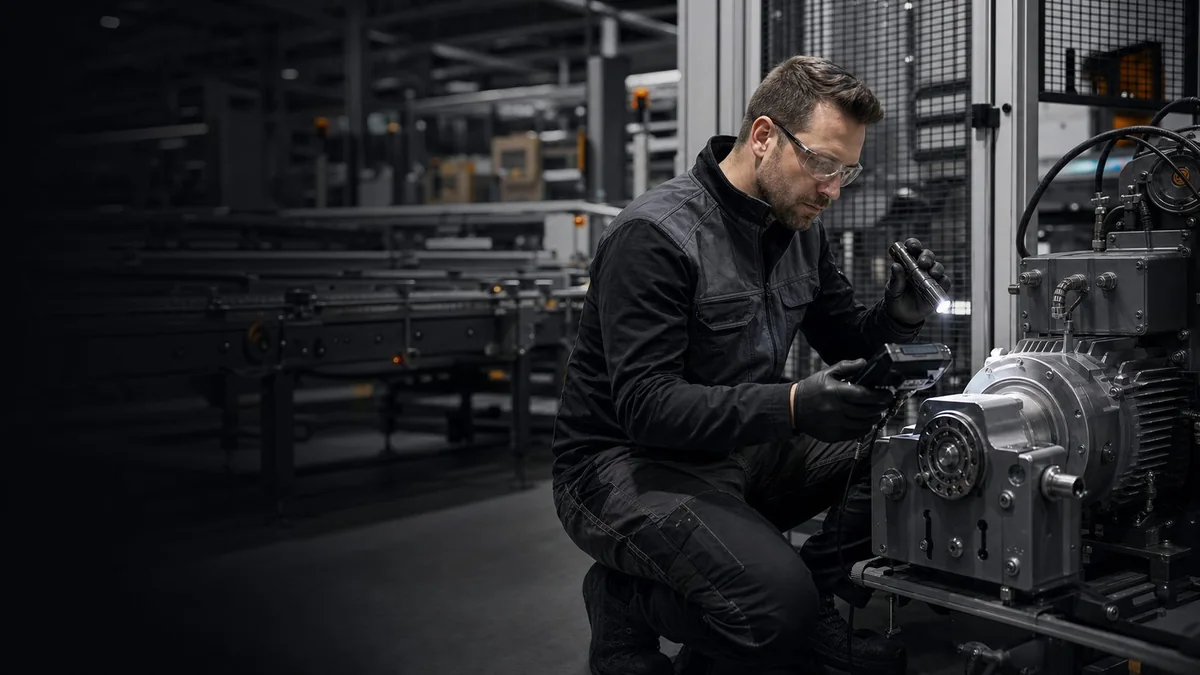
Maintenance Technicians
Keeps installed equipment available: preventive plans, corrective repairs and downtime reduction.
- Preventive maintenance
- Troubleshooting
- Inspections
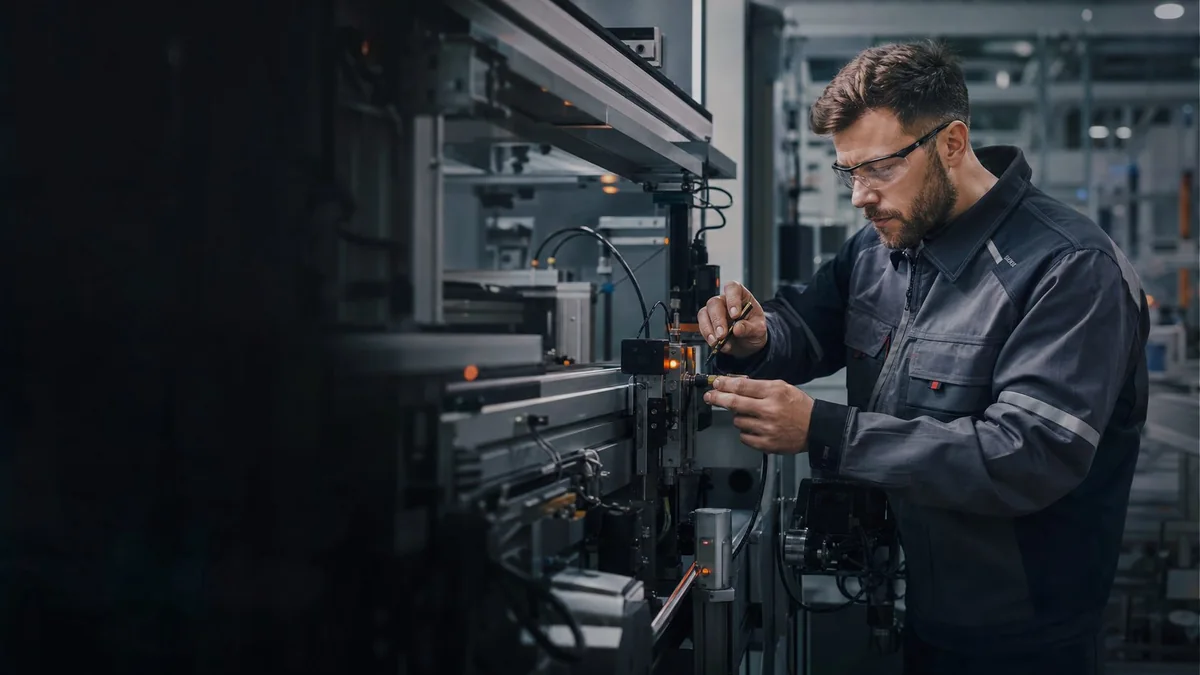
Mechatronics Technicians
Mechanics, electronics and automation on the same machine. The multidisciplinary profile.
- Sensors and actuators
- Pneumatics and hydraulics
- Robotic systems
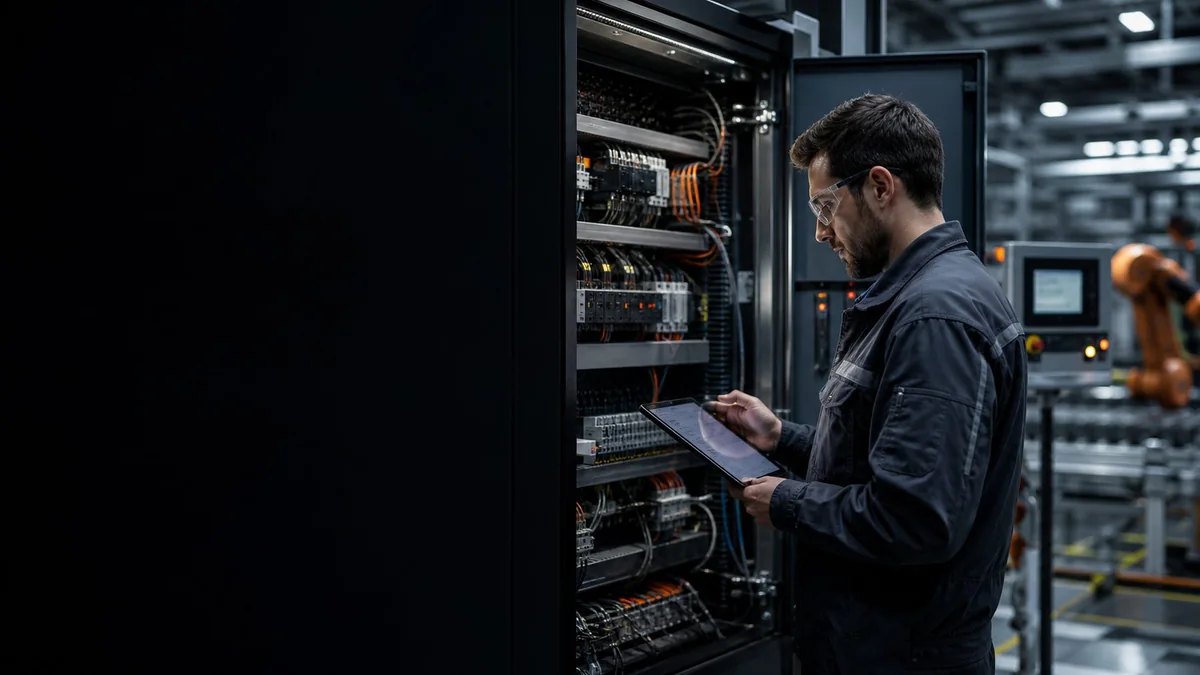
Automation Technicians
Automated lines and control systems: PLC environments, diagnostics and process adjustment.
- PLC environments
- Control systems
- Actuators
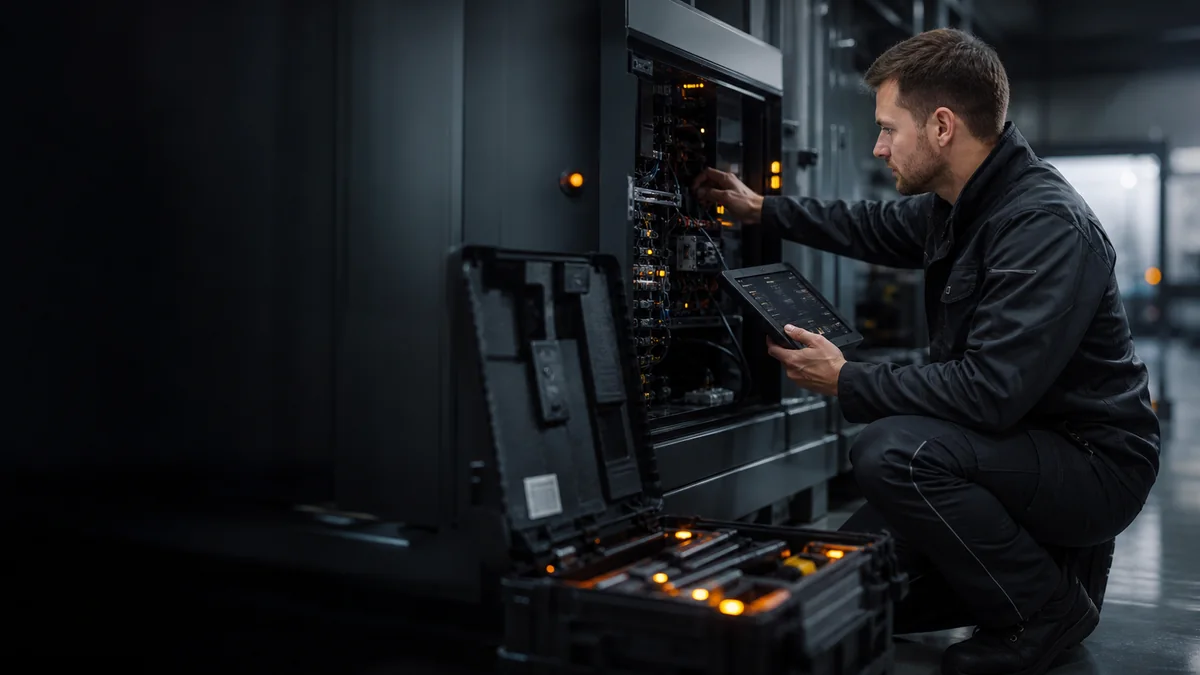
Service Technicians
Services equipment for customers, in the workshop or on their site, and owns the relationship.
- Fault diagnosis
- Repairs
- Customer support
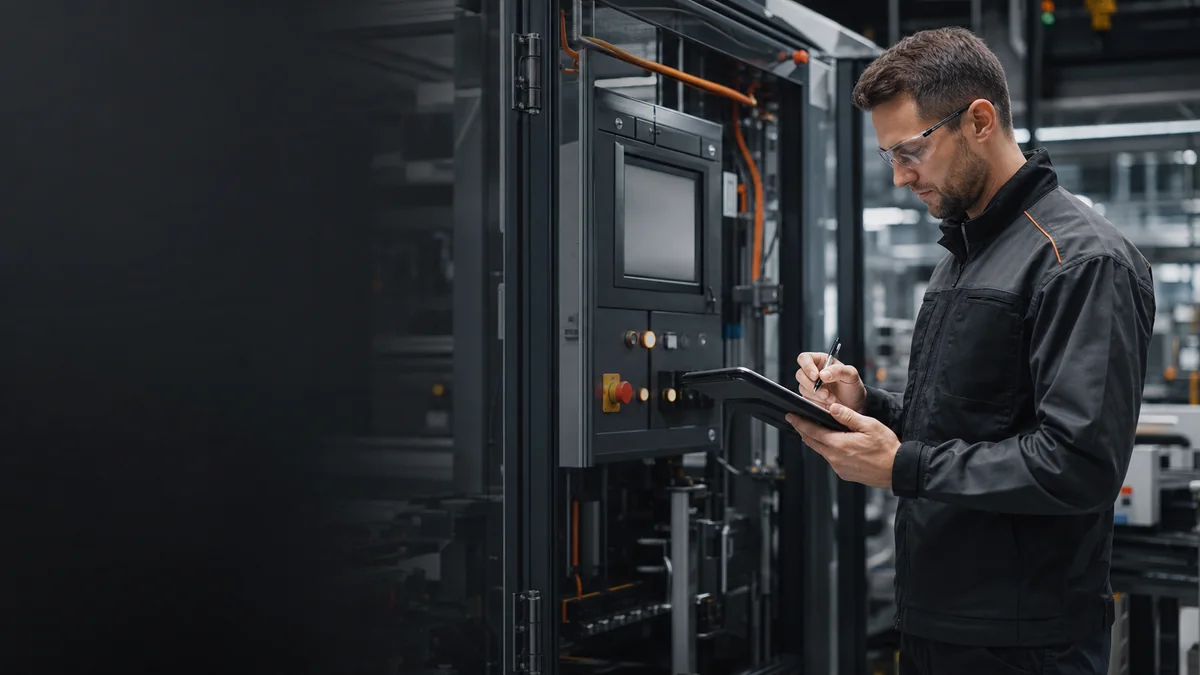
Commissioning Technicians
Brings new equipment into operation: testing, adjustment, acceptance support and handover.
- Functional testing
- FAT and SAT
- User training
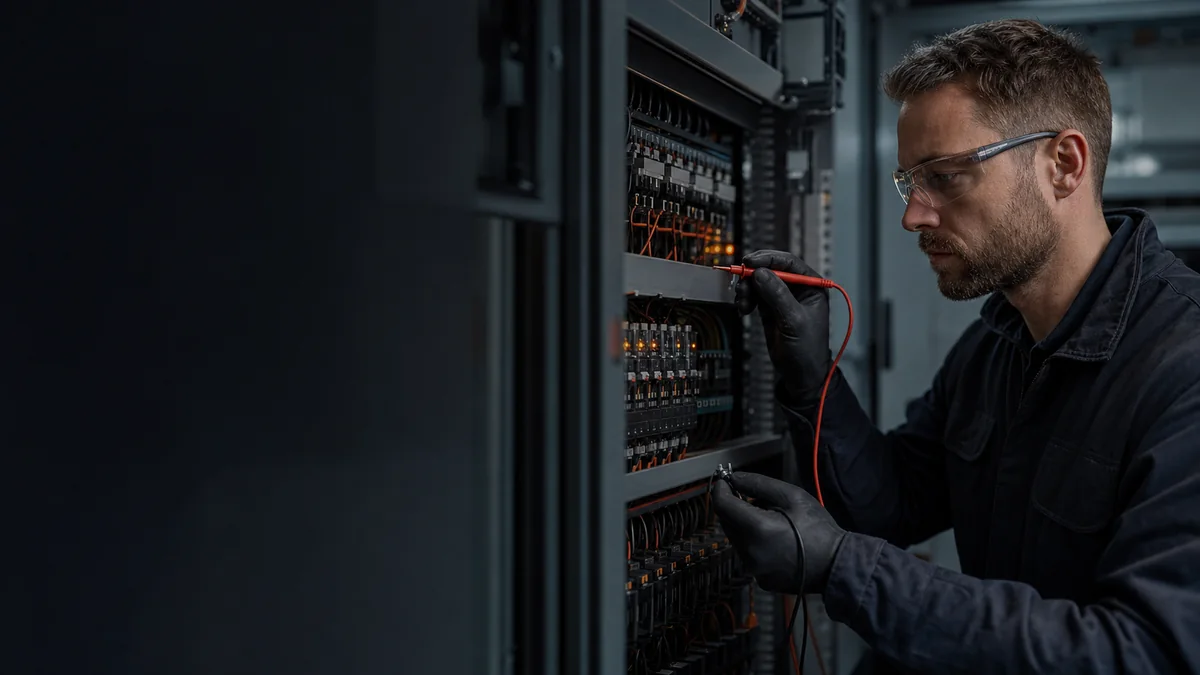
Electrical Technicians
Tests, measures and diagnoses electrical and control systems on complex industrial equipment.
- Measurement
- Diagnostics
- Control systems
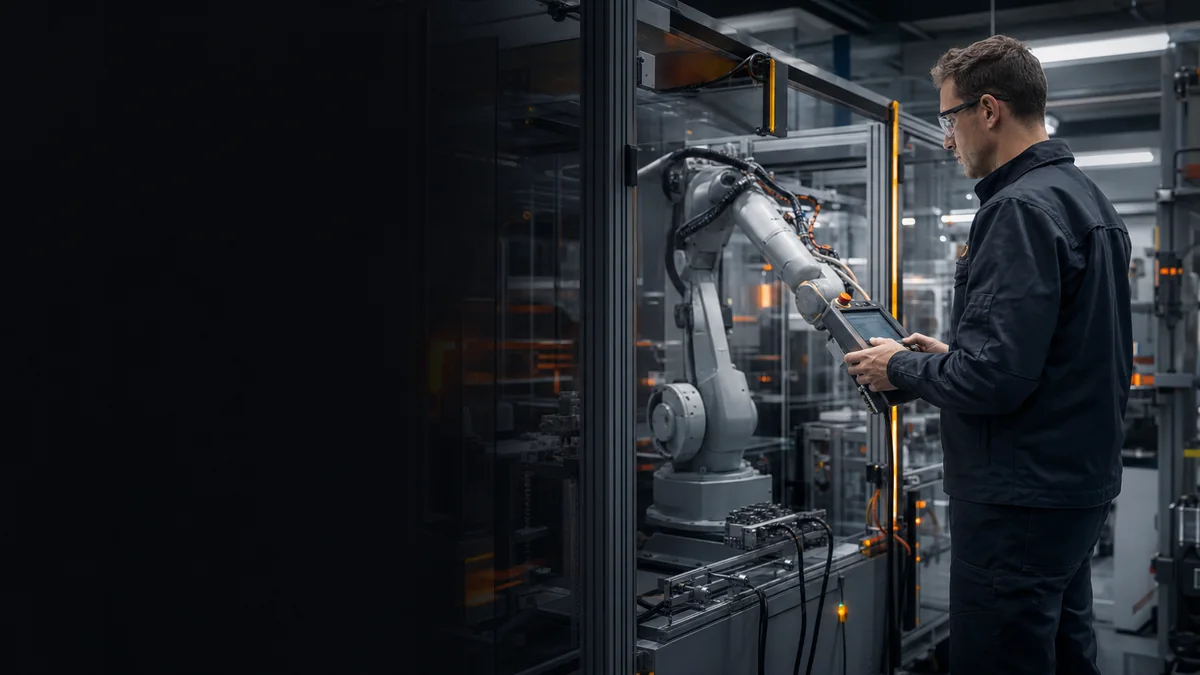
Robotics Technicians
Industrial robots and their peripherals: controllers, servo systems and preventive maintenance.
- Robot cells
- Controllers
- Servo systems
Avoiding the wrong hire
Technician, Mechanic, Electrician or Engineer?
These four categories overlap in everyday speech and almost never overlap in a job description. Getting the boundary right is the single cheapest improvement most technical vacancies can make.
| Profile | Primary question they answer | Typical output |
|---|---|---|
| Technician | Why is this system not behaving as specified, and how do we bring it back? | Diagnosis, testing, calibration, adjustment, commissioning, service reports |
| Mechanic | Which mechanical component has failed, and how do we repair or replace it? | Repairs, replacements, mechanical assemblies, alignment |
| Electrician | How is this electrical installation built, connected and kept safe? | Installation, wiring, panels, distribution, compliance work |
| Engineer | How should this system be designed, sized and improved in the first place? | Design, specification, calculation, project ownership |
The practical rule: a technician more often diagnoses, tests, calibrates, adjusts, commissions and services complex equipment, while a mechanic more often repairs mechanical assemblies and an electrician more often installs and connects electrical systems. Engineers specify the system that all three then work on.
If you are looking for a different profile
Electricians and electrical installers, industrial and automotive mechanics, engineering roles and CNC operators are covered by dedicated sites in the same family rather than duplicated here. This site stays on technician profiles so each page can go deeper instead of broader.
Industries served
Where the Demand Comes From
The same job title means different work in different sectors. A maintenance technician in food production spends time on hygienic design that a machine-building colleague never touches.
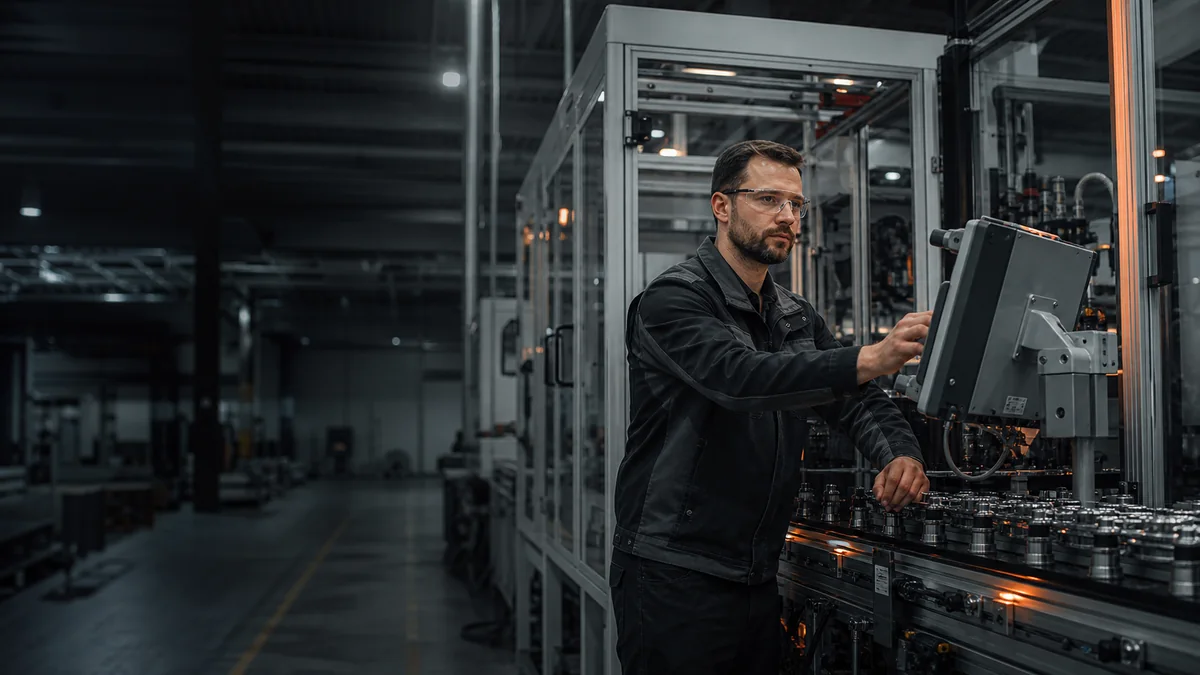
Manufacturing
Continuous output, maintenance depth and production support.
Explore profile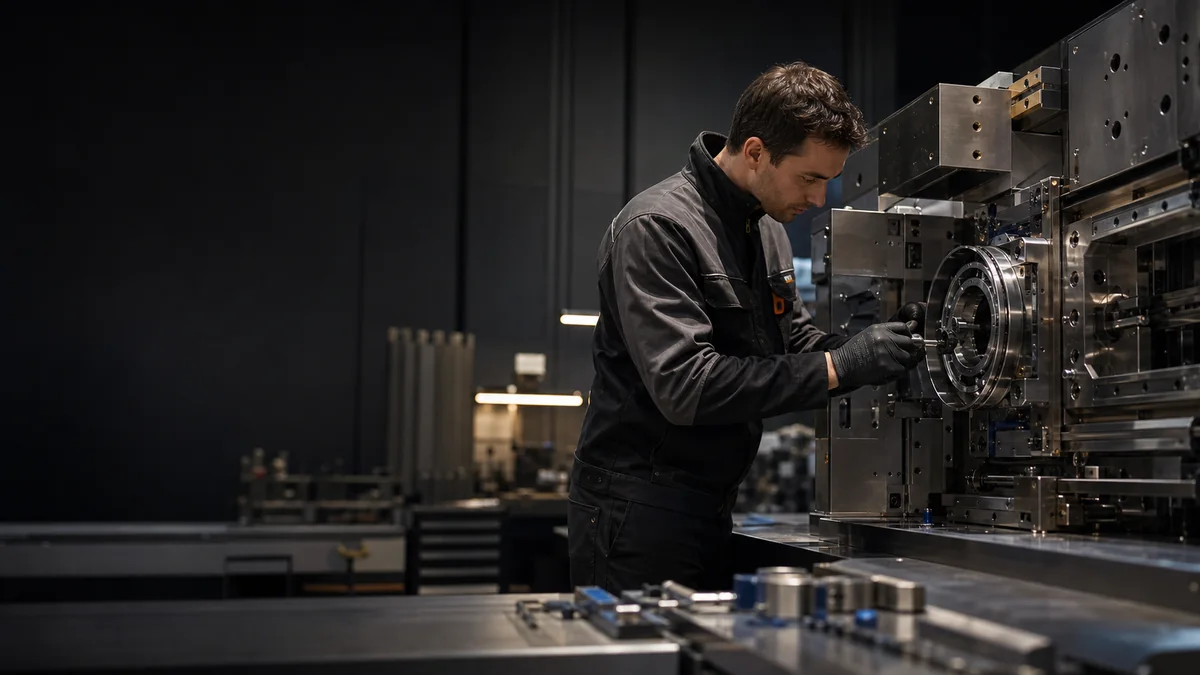
Machine Building
Assembly, commissioning and installations at customer sites.
Explore profile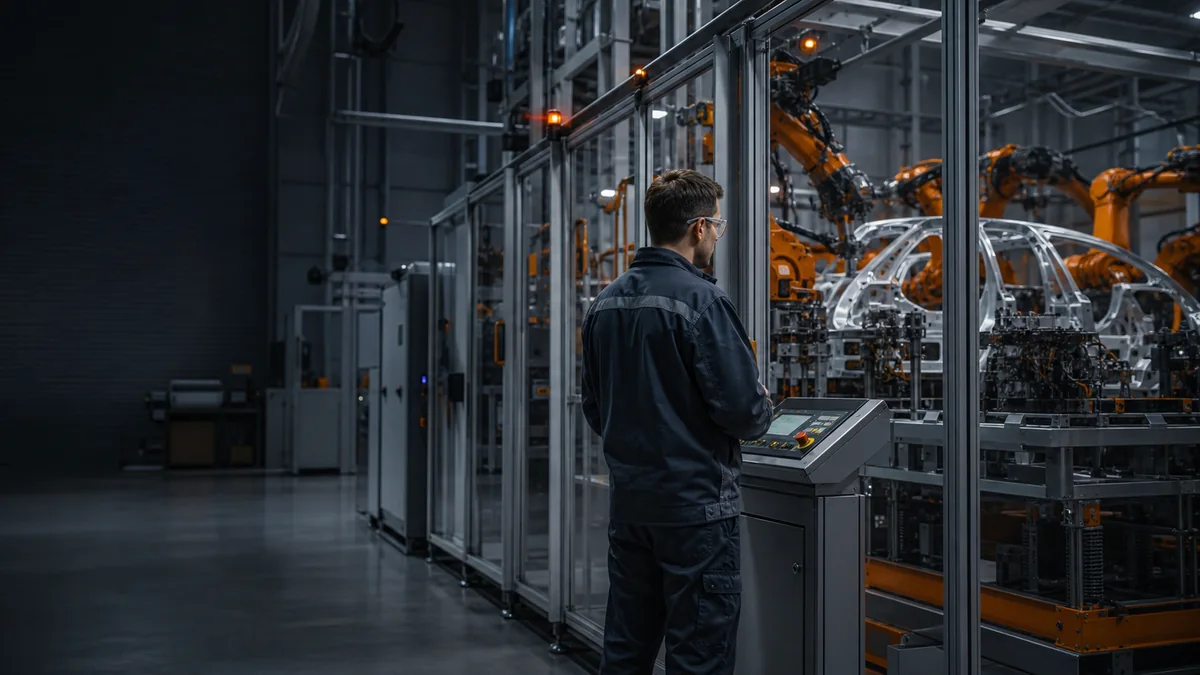
Automotive
High-volume lines, robot cells and unforgiving cycle times.
Explore profile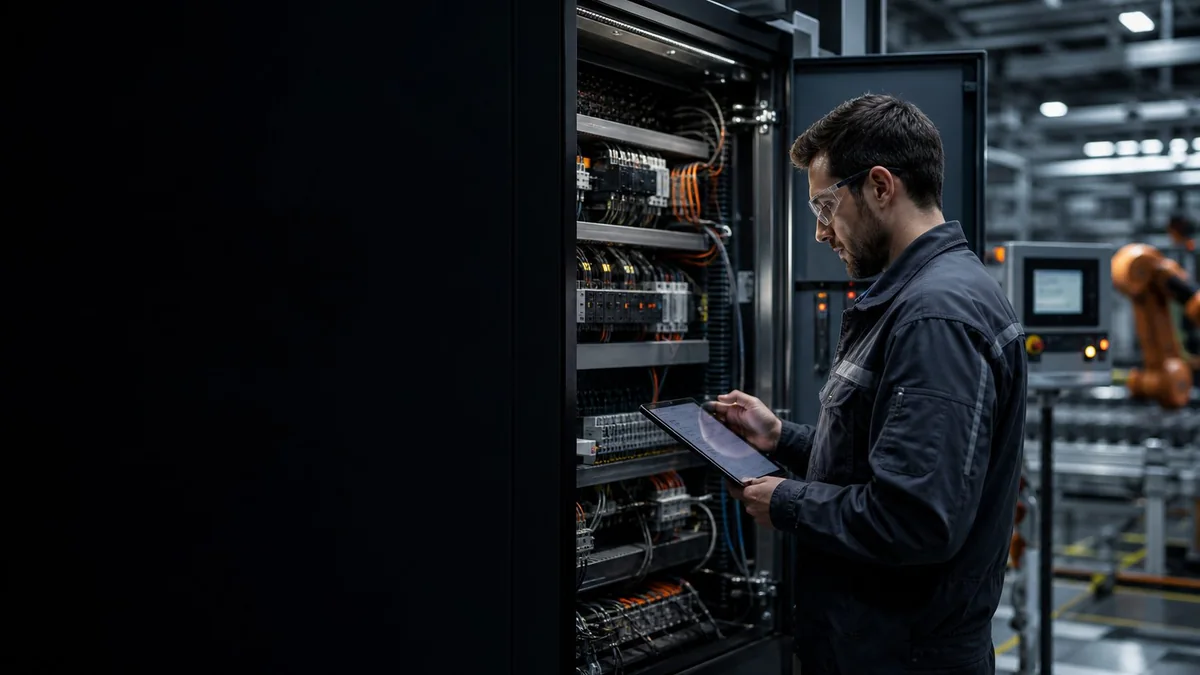
Industrial Automation
Control systems, integration and system diagnostics.
Explore profile
Food Production
Hygiene requirements, packaging lines and strict availability.
Explore profileAssessment
What to Assess in Any Technician Profile
These points apply across all eight specializations. The individual profile pages add the checks specific to that role.
-
Equipment actually worked on
Not the sector, not the employer — the specific machines, lines and systems, and for how long.
-
Documentation literacy
Can they read a wiring diagram, a pneumatic schematic, a P&ID or a machine manual, and in which languages?
-
Troubleshooting method
How they narrow down an intermittent fault says more than any certificate. Ask for a real example.
-
Depth versus breadth
Some profiles are deep in one system, others cover many shallowly. Both are valid — but only one fits your vacancy.
-
Formal qualification
Useful context, not proof of ability. Recognition rules differ by country and must be confirmed individually.
-
Working conditions
Shift availability, willingness to travel and time away from home decide more technical hires than salary does.
-
Language ability
An individual characteristic, never a regional one. Verify it against the language your documentation is in.
-
Work authorisation
Permit requirements depend on the country, the role and the individual. Confirm them before you commit.
Recruitment
From Profile to Hire, Through Candidate Force
-
Define the role
Use the profile pages to pin down which technician you actually need and what they must have touched.
-
Explore profiles
Review the technician profiles available on Candidate Force against that definition.
-
Post the vacancy
Publish the role with a clear technical brief so applications answer the right question.
-
Review applications
Assess against equipment and method, not title.
-
Manage the next steps
Run interviews and verification in one place.
FAQ
Questions About Technician Profiles
-
A mechanic primarily repairs and replaces mechanical components and assemblies. A technician more often diagnoses, tests, calibrates and adjusts complex equipment, frequently across mechanical and electrical domains at once. The detailed comparison works through where the line falls in practice.
-
An electrician primarily installs, connects, maintains and repairs electrical systems and installations. An electrical technician is more often measuring, testing, diagnosing and supporting control and electronic systems on complex equipment. The qualifications overlap; the daily work usually does not.
-
They overlap but are not interchangeable. A mechatronics technician is defined by working across mechanics, electronics and automation on the same equipment. An automation technician is defined by the control layer — PLC environments, sensors, actuators and process behaviour — and may do very little mechanical work. Which one you need depends on whether your problem is mechanical-electrical breadth or control depth.
-
It depends on the phase. To bring the line into operation, a commissioning technician. To keep it available once it runs, a maintenance or mechatronics technician. To work on its control behaviour and PLC environment, an automation technician. Many employers need a combination over the life of the line rather than one profile.
-
Many hold formal vocational or post-secondary technical qualifications, and the Western Balkans has established technical education pathways. However, qualification level, specialisation and recognition vary by individual and by country. Verify each candidate individually rather than assuming a regional standard.
-
Willingness to travel and shift availability are individual characteristics, and they are among the most decisive factors in technical hiring. State them explicitly in the vacancy and confirm them early in the process rather than at offer stage.
-
On Candidate Force. Balkan Technician explains the profiles; Candidate Force is where you explore candidates, publish your vacancy, receive applications and manage the process. English-language visitors continue on candidateforce.com, German-language visitors on candidateforce.de.
Find the Technician Profile That Fits the Role
Explore technician profiles available through Candidate Force.