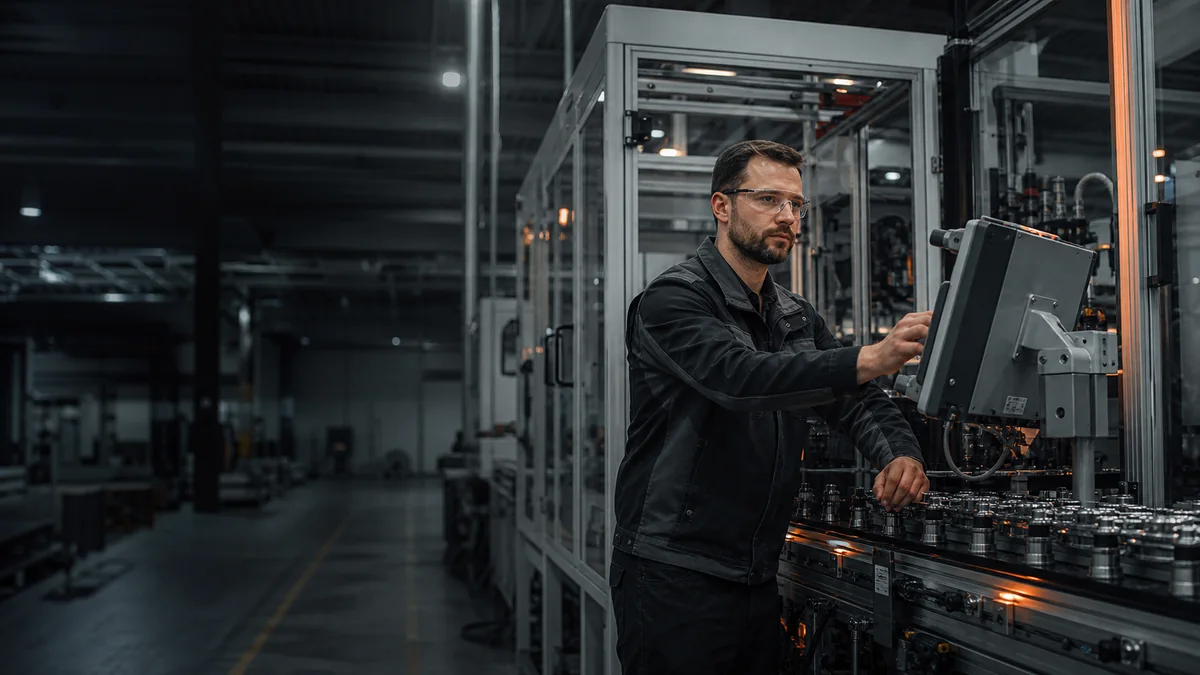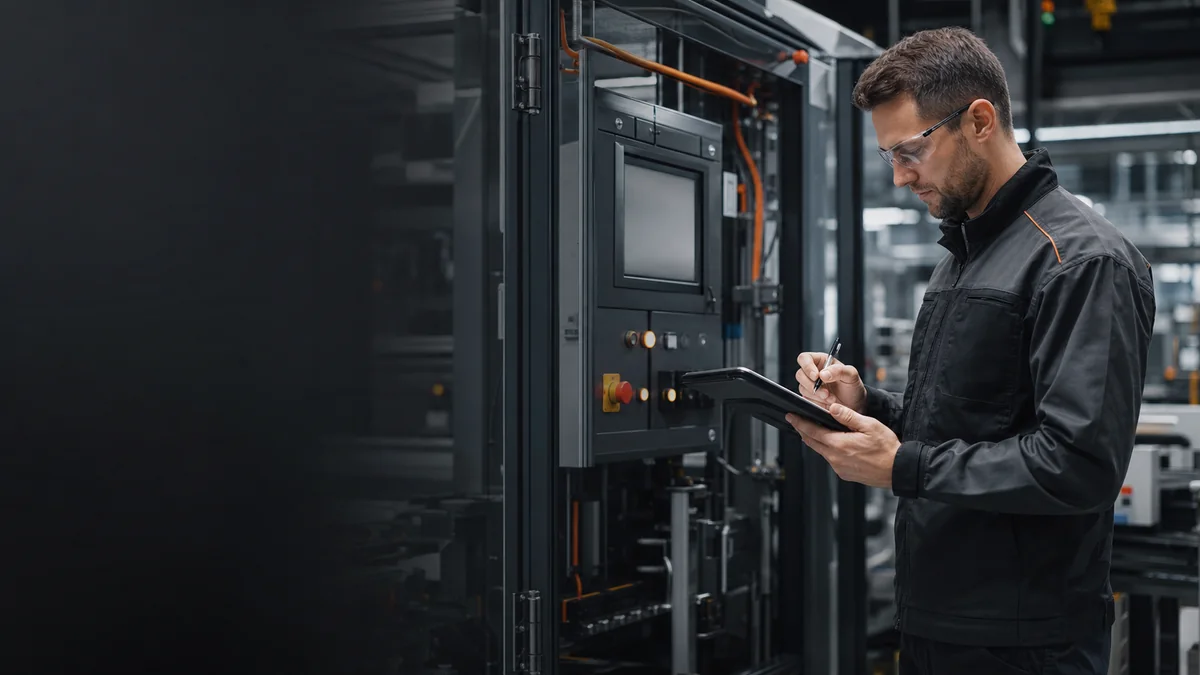
Maintaining mechatronic systems
Keeping automated equipment available across its mechanical, electrical and control layers rather than one of them.
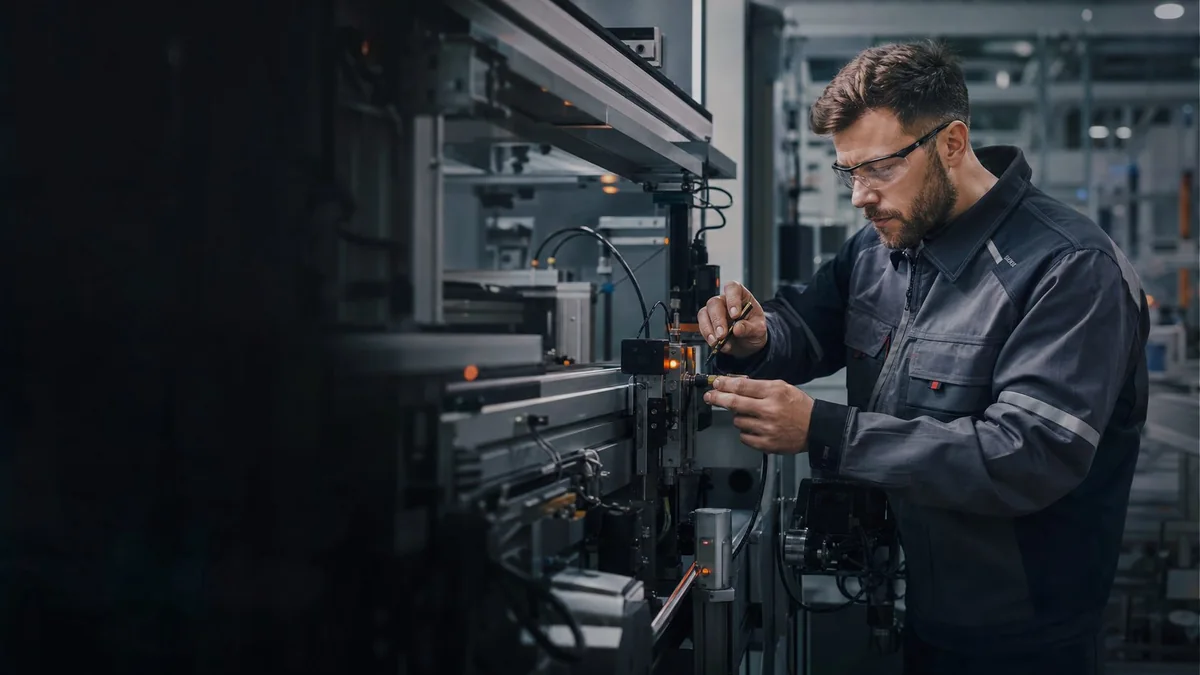
Technician profile
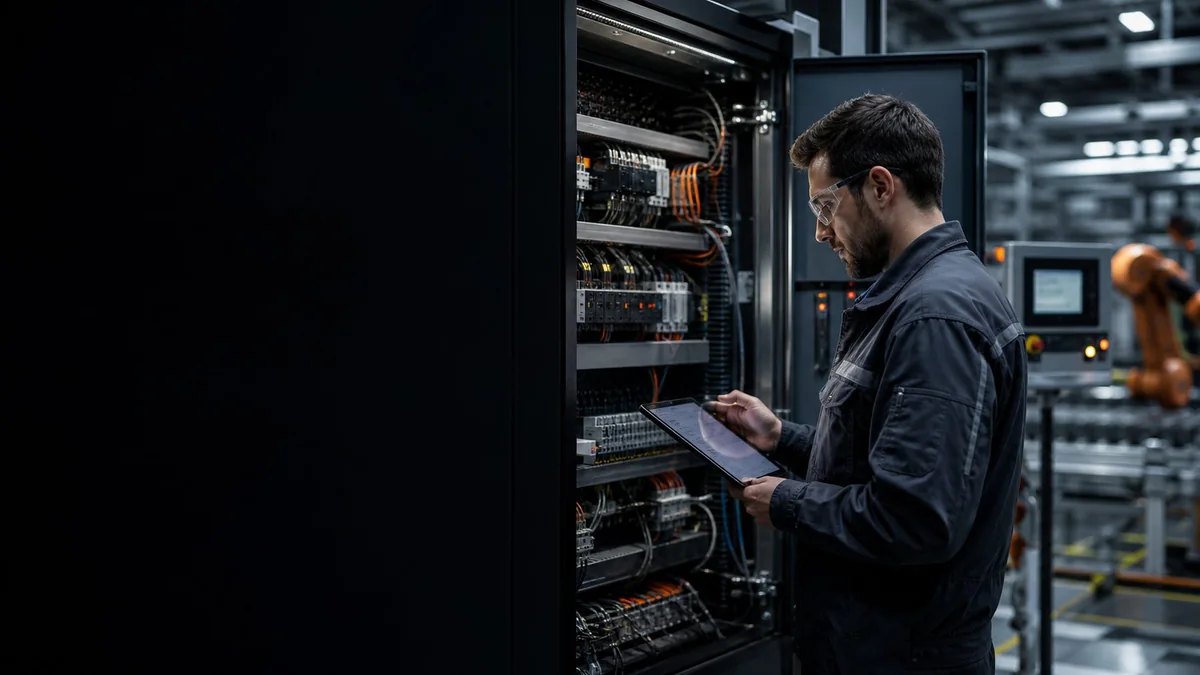
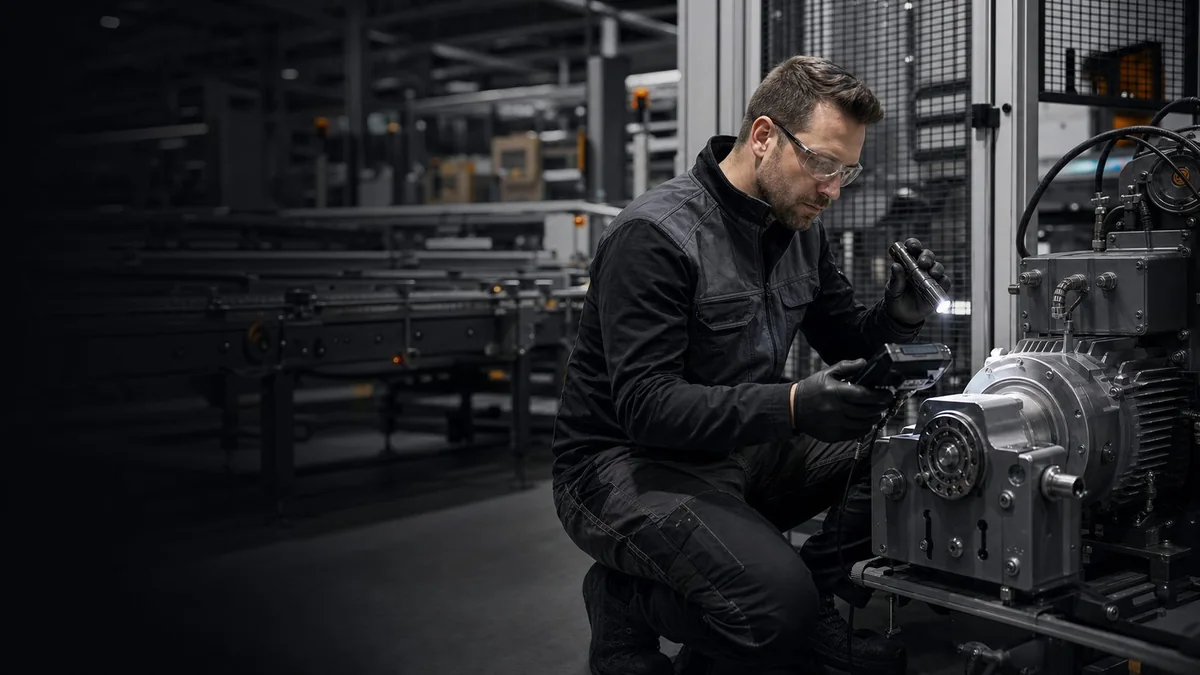
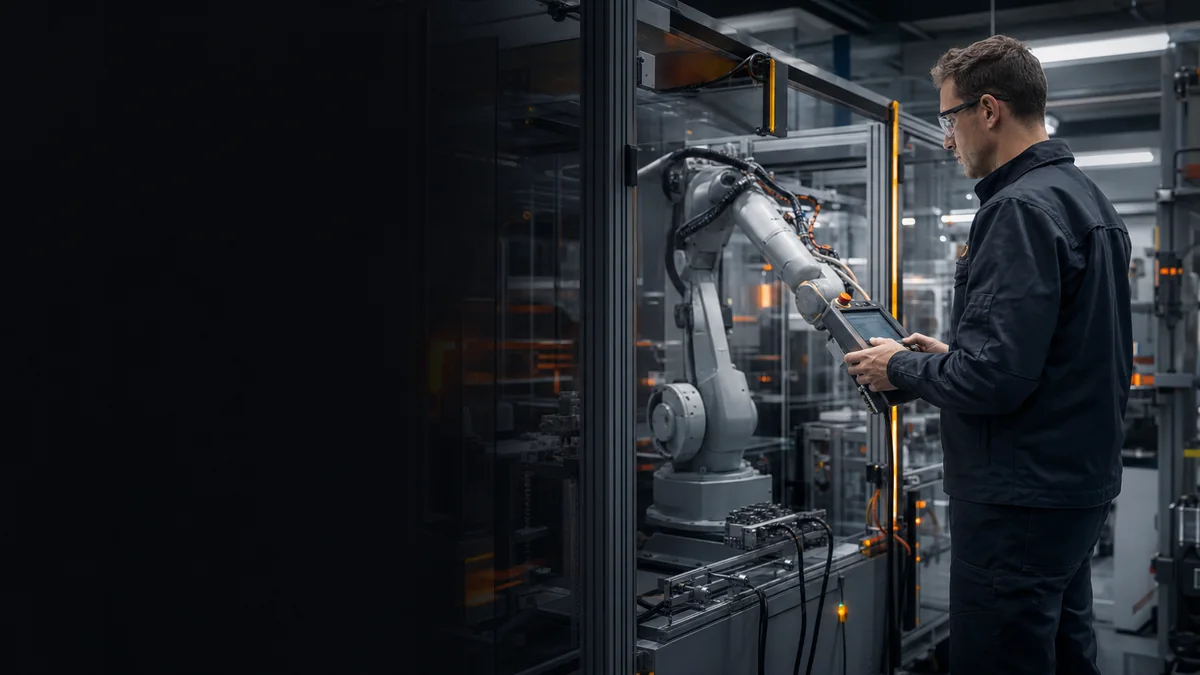
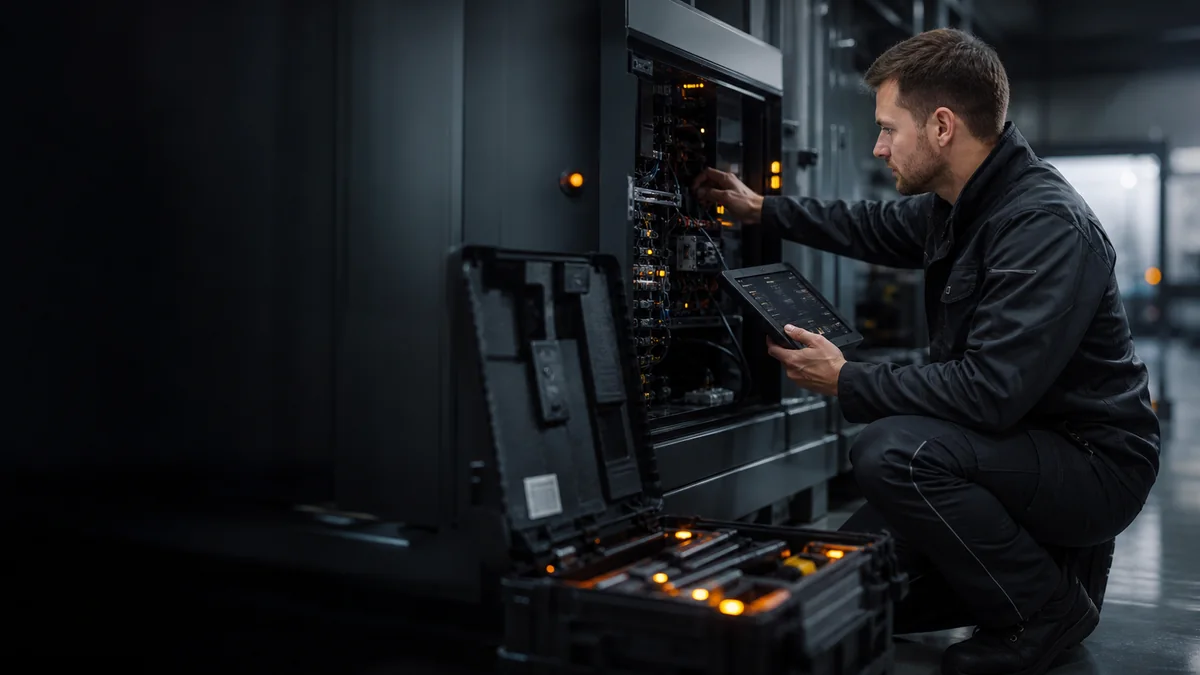
Explore profiles with experience across mechanical, electrical and automated production systems — the people who can follow a fault from a jammed actuator to the sensor that never reported it.
The problem
An automated line does not fail as a mechanical problem or an electrical problem. It fails as a system. A gripper does not close because a proximity sensor drifted; the sensor drifted because a pneumatic leak changed the cylinder timing; nobody noticed because the PLC logged it as a cycle-time deviation rather than a fault. Three disciplines, one stoppage.
The usual response is to send a mechanic, who confirms the mechanics are fine, and then an electrician, who confirms the wiring is fine. Both are correct, and the line is still down. Each handover costs another hour, and the diagnosis restarts from zero because neither can see the other half of the picture.
This is the specific gap mechatronics technicians fill. Their defining characteristic is not that they know more than a specialist in any one discipline — a controls engineer will always know the PLC better. It is that they can carry one fault across all three domains without a handover.
Role overview
A mechatronics technician works on equipment where mechanical, electrical and control systems are inseparable: automated production lines, robotic cells, packaging machines, conveyor systems and assembly equipment. The work is diagnostic first and manual second. The question is rarely "which part broke" — it is "why did this system stop behaving the way it was specified to behave".
In day-to-day terms that means reading a fault from the machine, deciding whether it originates in the mechanics, the electronics or the control layer, proving that conclusion with a measurement rather than a guess, and then correcting it. The correction might be a replaced sensor, an adjusted pneumatic pressure, a re-taught robot position or a corrected mechanical alignment. Frequently the fix is trivial once the diagnosis is right — the diagnosis is the job.
They work in production plants, machine-building companies, automotive suppliers and packaging operations, usually on shift, usually alongside a maintenance team. Some sit permanently on one line; others move across a plant.
When your company needs this profile: when your equipment is automated rather than merely powered, when your stoppages regularly need two different specialists, and when the time lost to diagnosis exceeds the time lost to repair. If your machines are mechanically simple, an industrial mechanic is a better and cheaper fit. If your problem is control logic depth rather than cross-domain breadth, you want an automation technician instead.
Responsibilities
What the role covers on a normal shift, not a job-advert wishlist.
Skills
Profiles may have experience with the areas below. This is a map of the territory the role covers — not a claim that every candidate holds every skill. Mechatronics is broad by definition, and individual technicians are invariably stronger on one side of it than the other.
That imbalance is normal and worth diagnosing early. Ask which side a candidate came from. Someone who grew into mechatronics from a mechanical trade reads a machine differently from someone who arrived from electronics, and neither route is inferior. The relevant question is which half your equipment fails on most often, and whether the candidate is strong there or merely conversant.
Equipment
The equipment a candidate has actually touched is the single most useful thing on their profile. A mechatronics technician from a packaging plant and one from a robotic welding cell have genuinely different instincts.
Industries
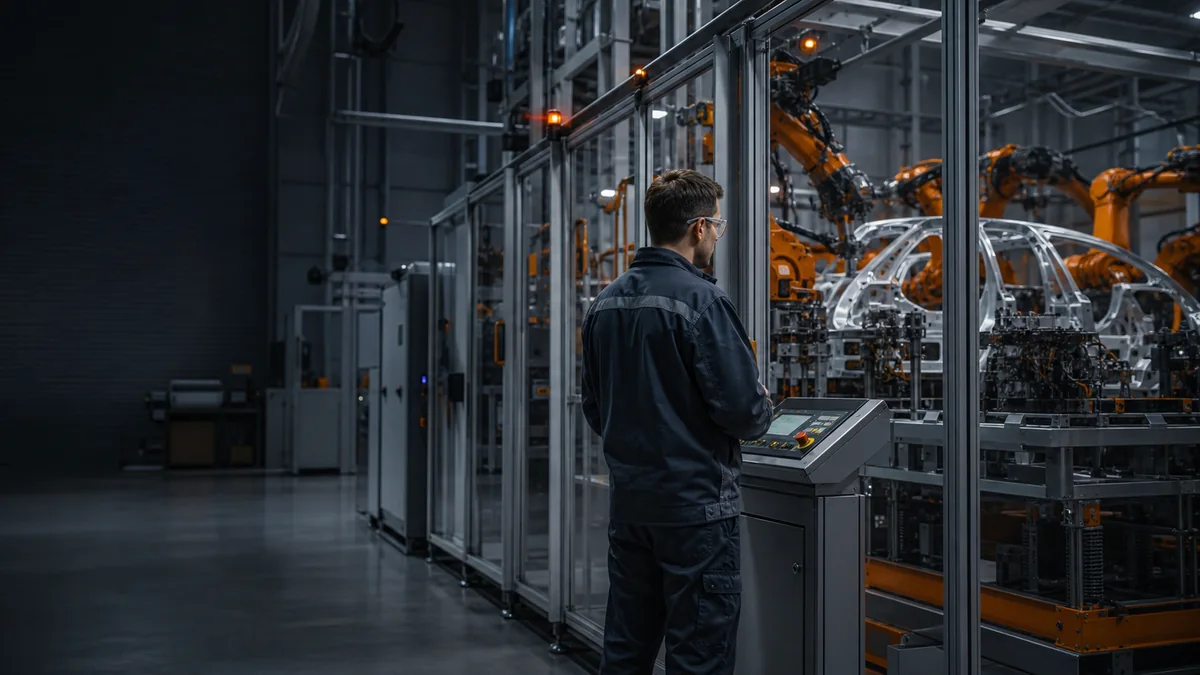
Robot cells, high-volume assembly and cycle times that make every minute of downtime visible.
Explore profile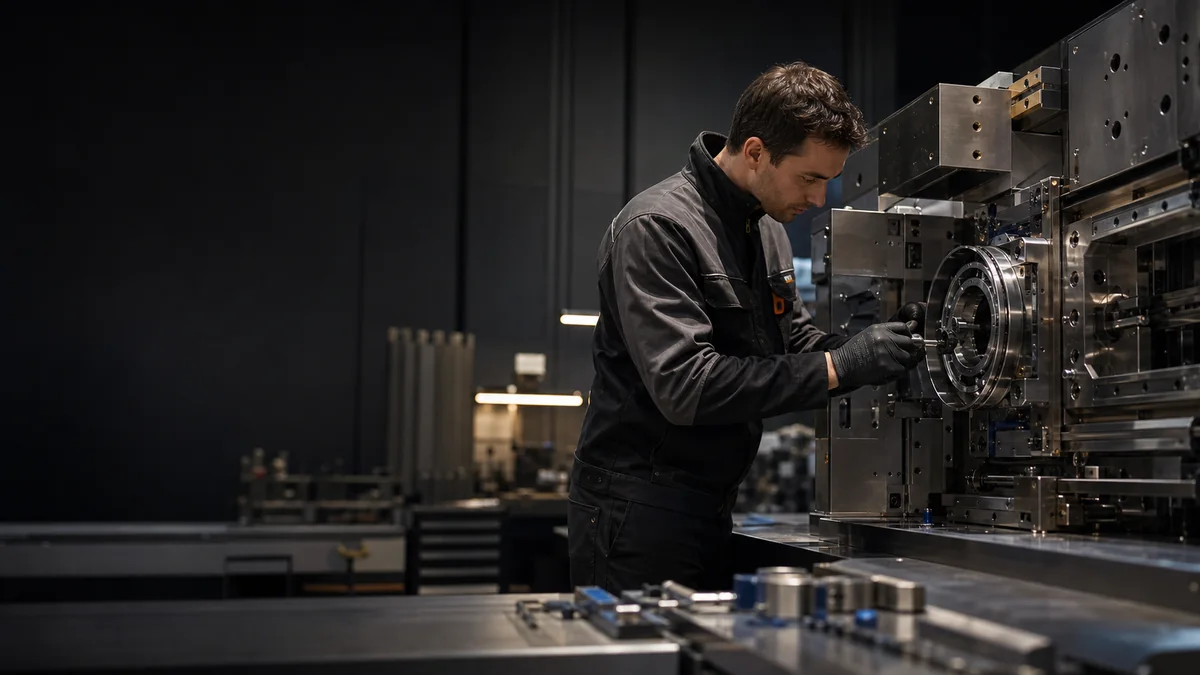
Building, testing and commissioning the automated machines other plants then run.
Explore profile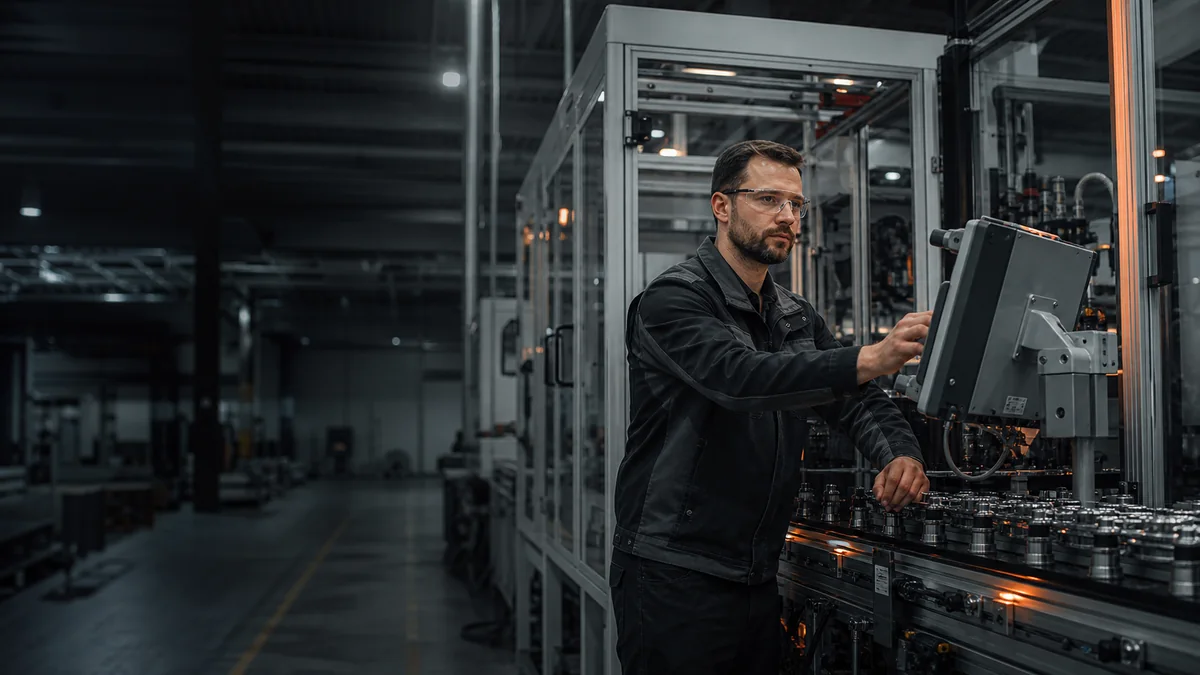
Mixed equipment and a maintenance team that cannot specialise per discipline.
Explore profile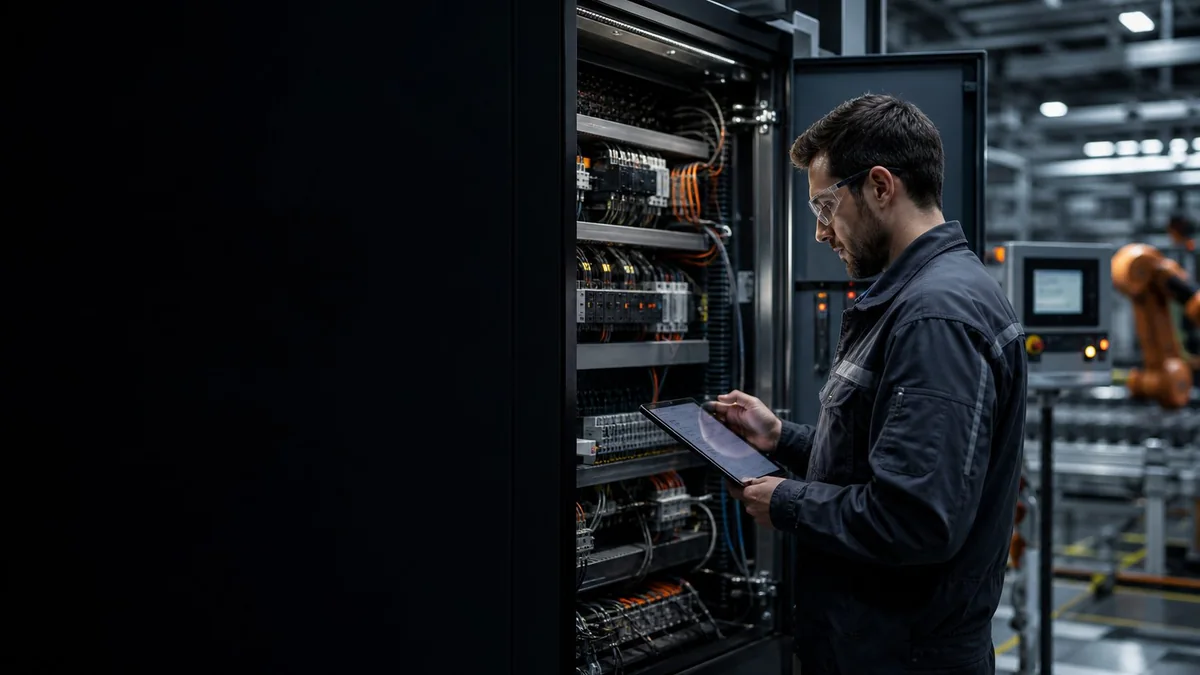
Integrated systems where mechanics and control behaviour are inseparable.
Explore profile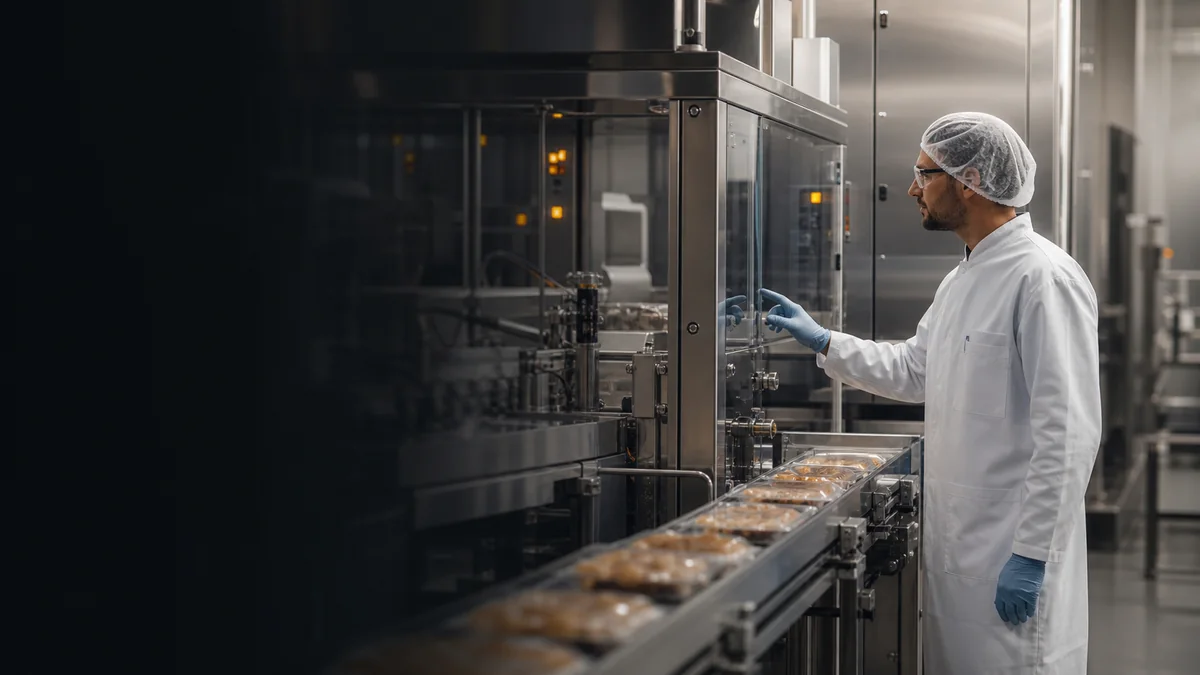
Packaging and filling lines with frequent changeovers and hygienic constraints.
Explore profileVerification
Mechatronics is the profile most often claimed and least often verified, precisely because its breadth makes a CV easy to write and hard to check.
A mechatronics qualification tells you the training route. It does not tell you which half they are actually strong on.
Years in an automated environment, not years in a plant that happened to own one automated machine.
Specific lines, cells and systems. This predicts performance better than any other single answer.
Wiring diagrams and pneumatic schematics, and in which languages. Ask them to talk you through one.
Do they measure and rule out, or replace and hope? Ask for a real intermittent fault.
How they approach lockout, energy isolation and stored pneumatic or hydraulic pressure.
Against your actual documentation and shift communication — an individual characteristic, never a regional assumption.
Relevant if the role includes customer sites or supporting more than one plant.
Most mechatronics roles are shift roles. Establish this before the offer, not after.
Depend on the country, the role and the individual. Confirm with the competent authority.
Recruitment
Decide which half of the discipline your equipment actually fails on, and write the vacancy against that rather than against the word "mechatronics".
Review mechatronics technician profiles on Candidate Force and see which equipment backgrounds are represented.
Publish the role naming the systems involved. Applicants self-select far more accurately against equipment than against a title.
Assess against machines and method rather than the qualification alone.
Run interviews and verify qualifications, language and work authorisation individually.
FAQ
The work overlaps heavily and many people do both. The distinction is definitional: a maintenance technician is defined by the objective — keeping installed equipment available, running preventive plans, reducing downtime. A mechatronics technician is defined by the method — working across mechanics, electronics and automation on the same machine. A maintenance technician on a mechanically simple plant may never need mechatronics breadth; a mechatronics technician in a machine-building company may never run a preventive plan.
No, though the titles are often used interchangeably. Automation goes deeper into the control layer: PLC environments, control logic, process behaviour and system diagnostics. Mechatronics goes wider: mechanics, electronics and control on the same equipment. If your line stops because of a mechanical-electrical interaction, you want mechatronics. If it stops because of control behaviour, you want automation.
Usually not, and you should not assume it. Most read PLC logic and use the diagnostics to locate a fault without writing or modifying programs — which is a genuinely different skill. Some can program, particularly those from machine building or commissioning backgrounds. If programming matters for your role, test it explicitly rather than inferring it from the title.
Commonly a formal vocational or post-secondary qualification in mechatronics, electromechanics or a related technical field. The Western Balkans has established technical education pathways for these profiles. However, qualification level, specialisation and recognition vary by individual and country, and formal recognition must be confirmed with the competent authority in your country.
Many have worked around robotic cells, particularly in automotive and packaging environments, and can handle peripherals, sensors, safety equipment and mechanical elements. Deep work on controllers, servo systems and robot programming is closer to a robotics technician. Verify the specific robot experience rather than assuming it comes with the mechatronics title.
Give them a cross-domain scenario and listen to the sequence of their reasoning. For example: a gripper intermittently fails to close, with no PLC alarm. A genuinely multidisciplinary candidate will move between pneumatic pressure, sensor alignment and control timing on their own initiative. A single-discipline candidate will stay inside their domain and hand the rest off. Both answers are informative.
That is an individual matter and one of the most decisive factors in whether a technical hire succeeds. Relocation, travel and shift patterns should be stated explicitly in the vacancy and confirmed early in the conversation, not discovered at offer stage.
On Candidate Force. Balkan Technician explains the profile so you can define the role precisely; Candidate Force is where you explore candidates, publish the vacancy, receive applications and manage the process.
Explore profiles with experience across mechanical, electrical and automated production systems.