Electrical measurement
Measuring voltage, current, resistance, continuity and signal behaviour to establish what a system is really doing.
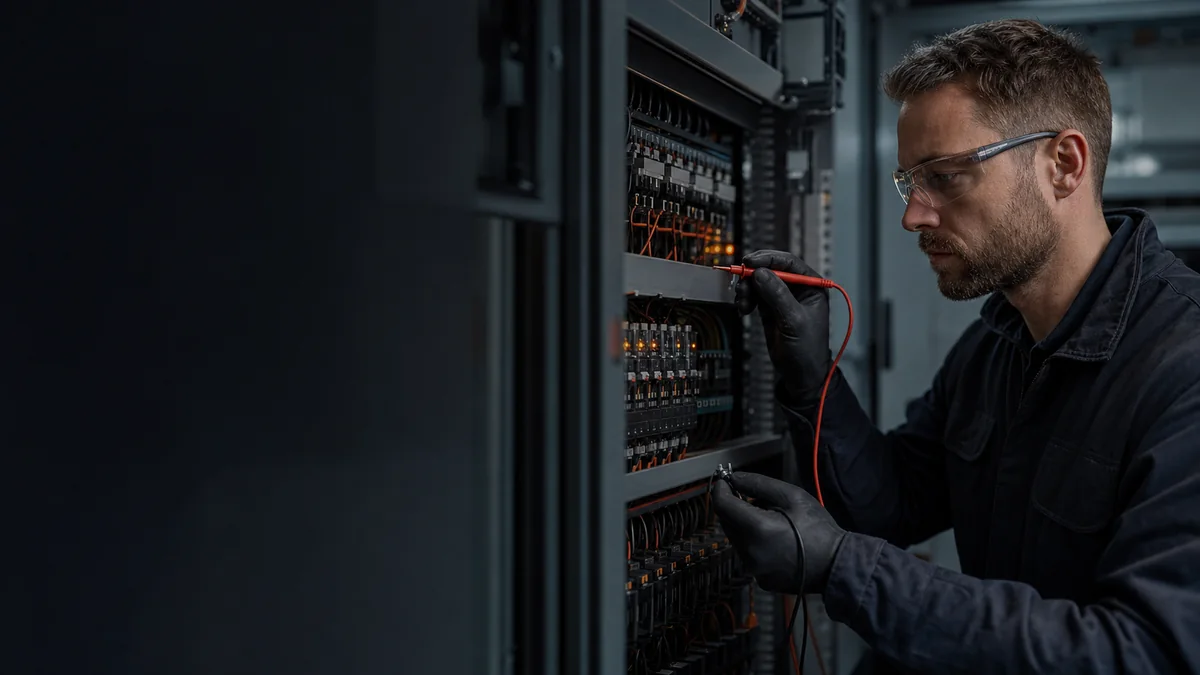
Technician profile
Explore profiles who measure, test and diagnose electrical and control systems on complex equipment — the analytical end of electrical work, not the installation end.
These are different roles, and hiring the wrong one is expensive. An electrician primarily installs, connects, maintains and repairs electrical installations. An electrical technician primarily measures, tests, diagnoses and supports electrical and control systems on complex equipment. If your need is building or wiring an installation, you are looking for an electrician, and a dedicated electricians resource fits better. This page is about the analytical, diagnostic profile.
The problem
A drive trips intermittently under load. A sensor reads plausibly but wrongly. A control cabinet passes every visual check and still will not hold the process. None of these is a wiring job — the installation is fine. They are measurement and diagnosis problems on an electrical system, and they call for someone whose instinct is to reach for a meter and a hypothesis rather than for cable and terminals.
This is the gap employers often fill badly. They send an electrician, who confirms the installation is correct — which it is — and the fault remains, because the fault was never in the installation. Or they send an engineer, who is over-qualified and quickly frustrated by hands-on measurement work. The electrical technician sits precisely between: qualified to work safely on electrical systems, but oriented toward testing, measurement and diagnosis rather than construction.
The role also carries a real risk of being mis-scoped in the other direction. Because the qualifications overlap with electricians and the diagnostic work overlaps with automation technicians, the electrical technician title attracts a wide range of candidates. Defining whether you need installation skills, control-system depth or measurement rigour is what turns a vague vacancy into a good hire.
Role overview
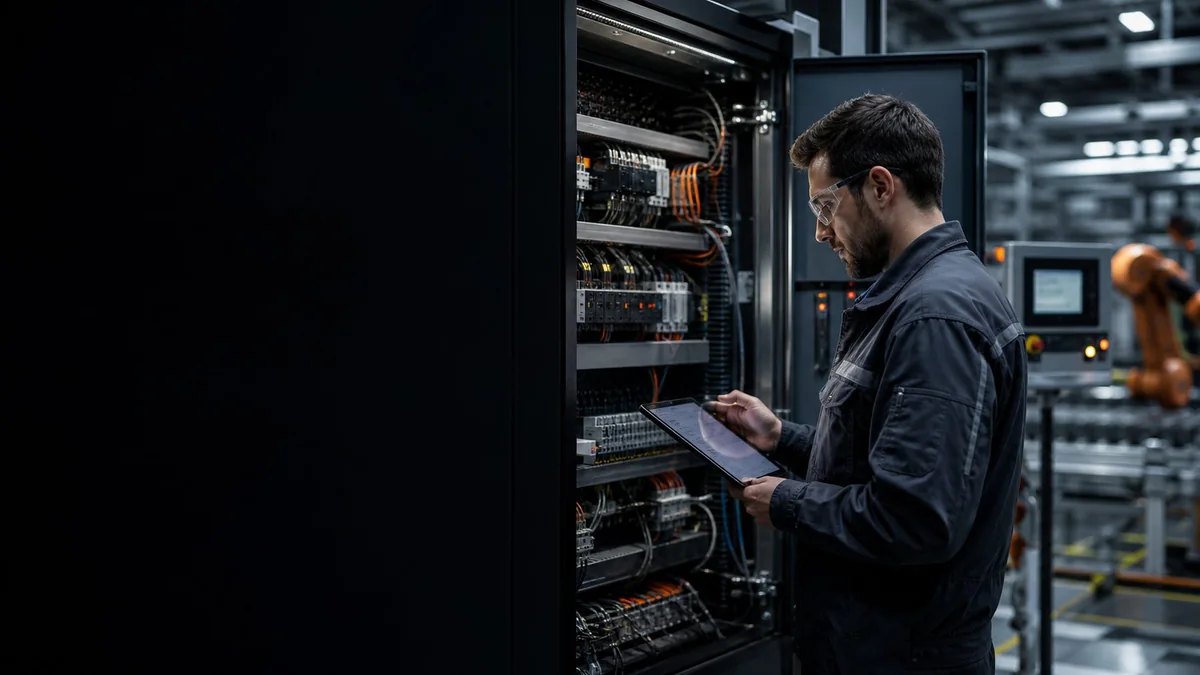
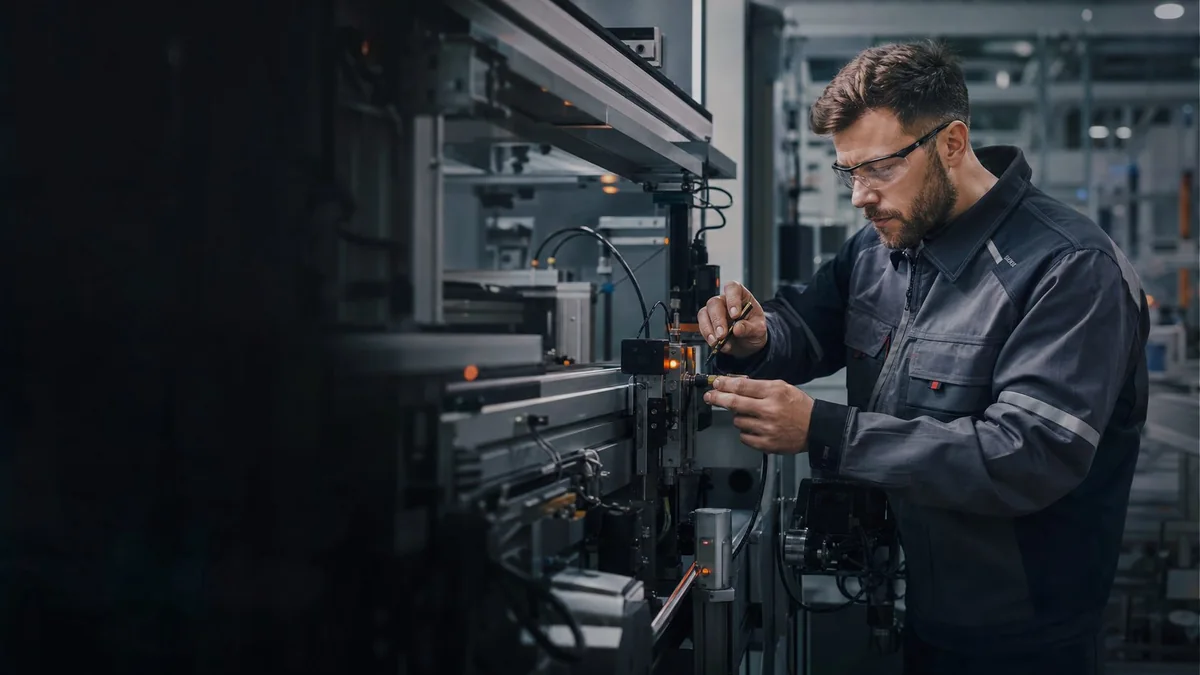
An electrical technician tests, measures and diagnoses electrical and control systems on industrial equipment. The orientation is analytical: the core question is "what is this system actually doing, and where does its behaviour diverge from specification", answered with instruments rather than assumptions. The work supports engineers, maintenance and production by turning an electrical symptom into a located, evidenced cause.
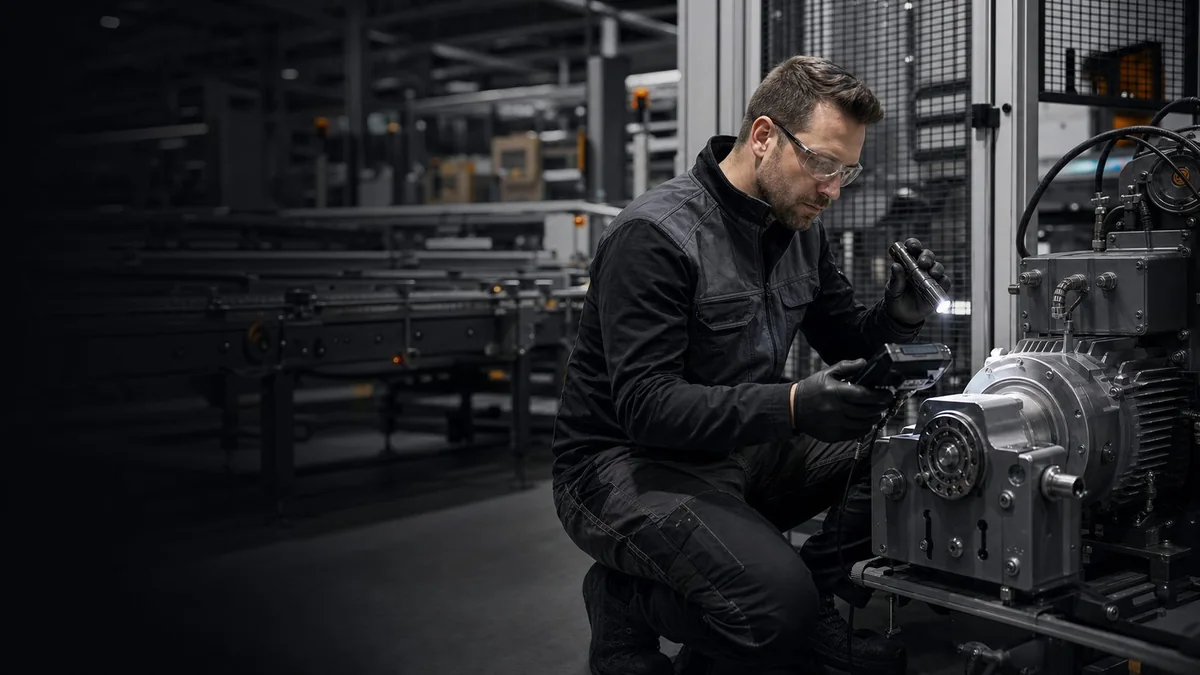
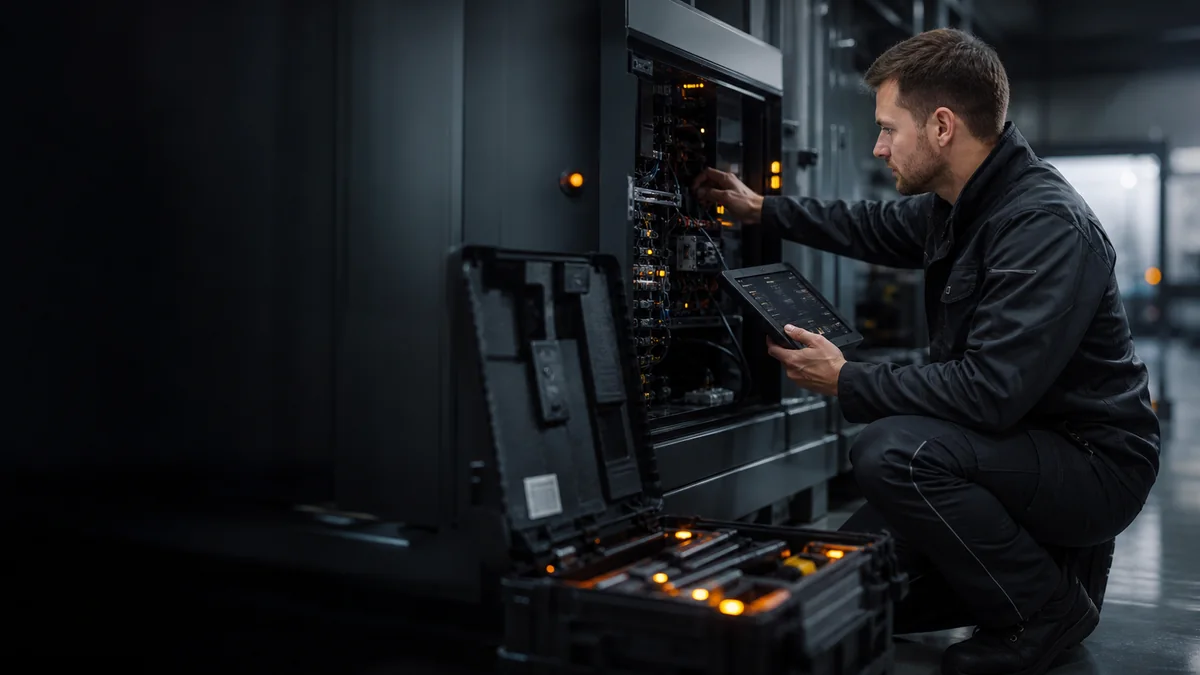
In practice this means electrical measurement and testing, fault diagnosis on drives, motors, sensors and control circuits, supporting and checking control cabinets, working with electronic and control systems, and producing the technical documentation that records what was measured and concluded. Some electrical technicians work close to the automation layer; others closer to power and drives; the balance depends on the plant.
They work in manufacturing, energy, process industries and machine building, on installed plant and sometimes on equipment under test or development. The role is usually plant-based and often on shift, sitting alongside maintenance and engineering rather than a construction or installation team.
When your company needs this profile: when you have complex electrical and control systems that must be tested, measured and diagnosed, and kept dependable. If the work is installing or wiring, you need an electrician. If it is control-logic depth and process behaviour, an automation technician fits better. The electrical technician is the profile for the measurement-and-diagnosis end of electrical work.
Responsibilities
Skills
Profiles may have experience with the areas below. The decisive thing to establish for this profile is the balance between installation orientation and diagnostic orientation, because both types of candidate will legitimately call themselves electrical technicians.
A candidate whose experience is mostly installation and wiring is closer to an electrician who happens to have the title; a candidate whose experience is mostly measurement, testing and fault diagnosis is the analytical profile this page describes. Neither is better in the abstract — they are different hires. Ask what proportion of their work was diagnosis versus construction, and match it to your actual need.
Equipment
Electrical technician experience is best judged by the systems measured and diagnosed, and by whether the work was analytical or constructional.
Industries
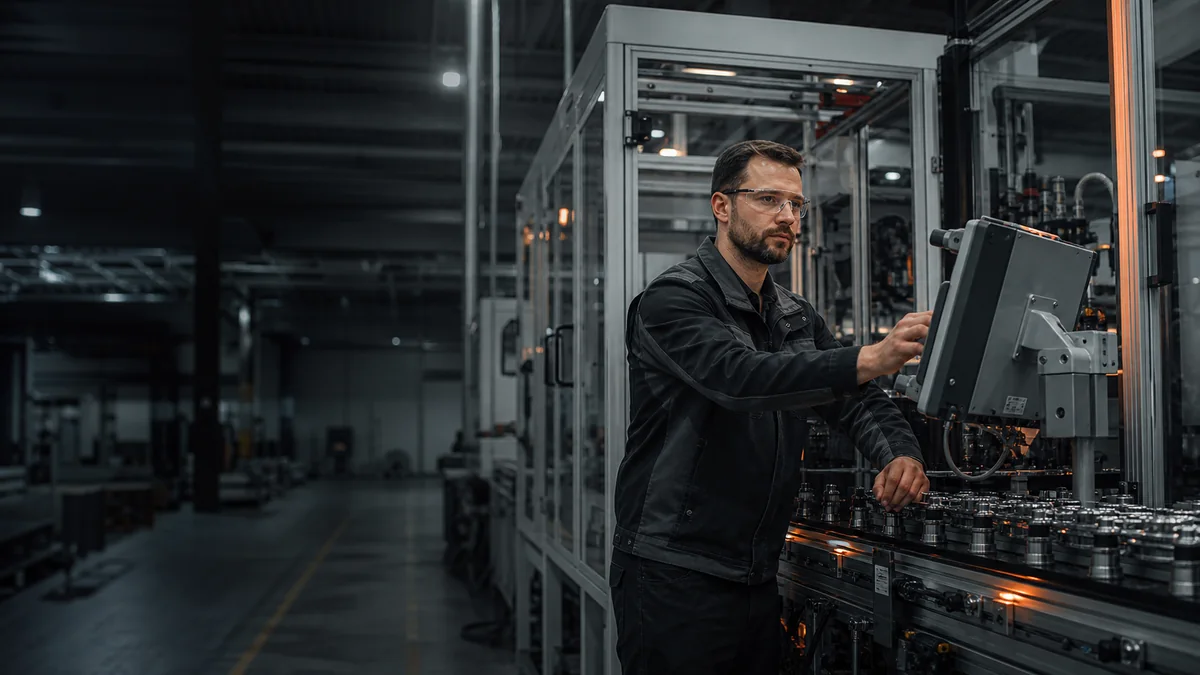
Diagnosing and testing electrical and control systems across mixed plant.
Explore profile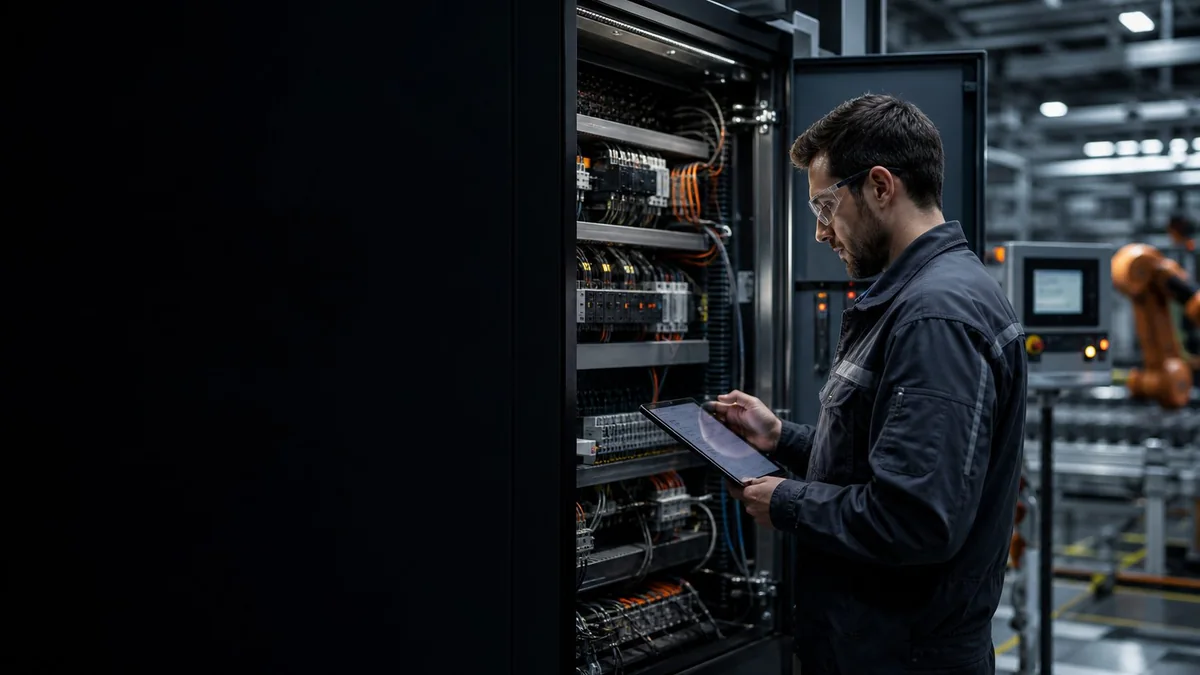
Supporting the electrical layer of integrated automation systems.
Explore profile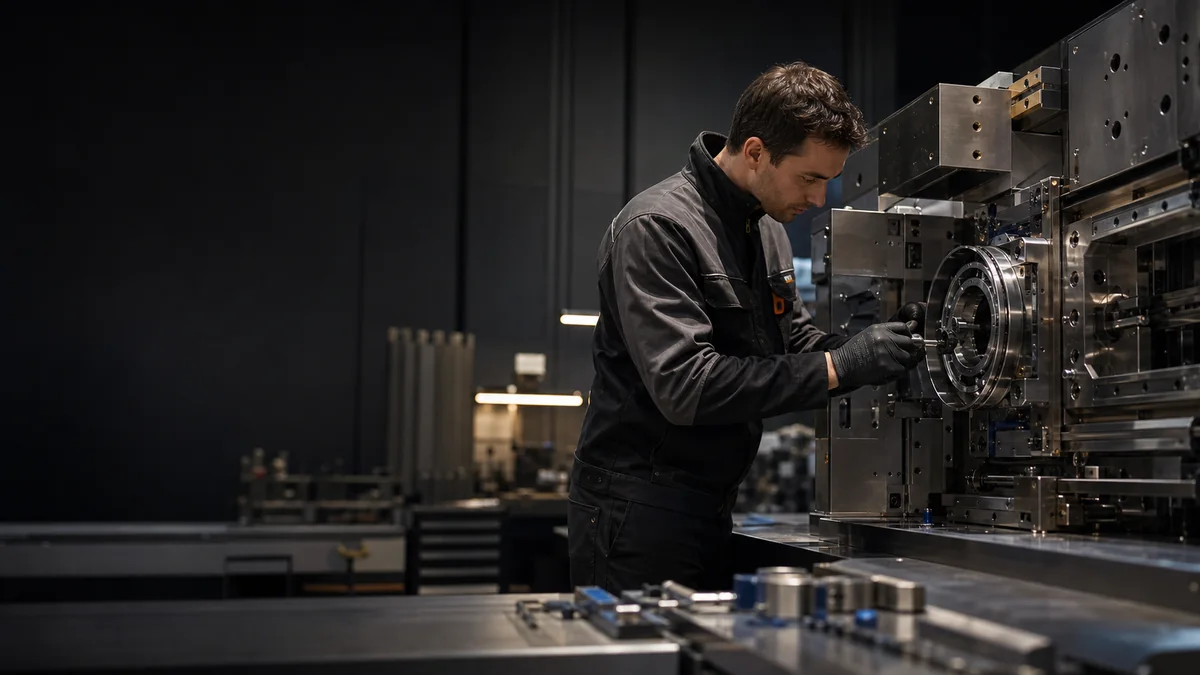
Testing and measuring electrical systems on new equipment.
Explore profile
Electrical diagnosis on production and packaging equipment.
Explore profile
Electrical testing and fault finding on production lines.
Explore profileVerification
The single most important distinction for this profile. Establish it before anything else.
Electrical work is regulated. What a person may do differs by country and qualification. Confirm it individually.
Real instrument work and structured testing, not just visual checks.
Which drives, cabinets, control and electrical systems, and how close to yours.
Whether they measure and reason or replace and hope. Ask for an intermittent electrical fault.
Wiring diagrams and schematics, and in which languages.
Isolation, protective functions and the discipline regulated work demands.
Important here because scope of electrical work depends on it. Confirm recognition individually.
Many roles are shift roles. Confirm early.
Depend on country, role and individual. Confirm with the competent authority.
Recruitment
Decide clearly whether you need diagnostic-analytical work or installation work, and whether the profile is electrical technician or electrician.
Review electrical technician profiles on Candidate Force against that definition.
State the systems and the diagnostic emphasis. This filters the installation-oriented candidates appropriately.
Assess against systems diagnosed, measurement method and permitted scope.
Verify qualifications, permitted electrical scope, language and work authorisation individually.
FAQ
An electrician primarily installs, connects, maintains and repairs electrical installations — the constructional side of electrical work. An electrical technician primarily measures, tests, diagnoses and supports electrical and control systems on complex equipment — the analytical side. The qualifications overlap and the titles are sometimes used loosely, but the daily work is different. If you need an installation built or wired, you want an electrician; if you need faults measured and diagnosed on complex systems, you want an electrical technician.
They overlap but differ in orientation. An electrical technician is oriented to the electrical and measurement layer — drives, motors, cabinets, circuits, testing. An automation technician is oriented to the control layer — PLC logic, process behaviour, system diagnostics. A fault in a drive is electrical-technician territory; a fault in how the line sequences is automation-technician territory. Many plants need elements of both.
It depends on the individual, their qualification and the country's regulations. Some are equally comfortable installing; others are specialists in measurement and diagnosis with limited installation practice. Electrical work is regulated, and permitted scope differs by country and qualification, so verify both the skill and the legal scope individually rather than assuming the title covers installation.
Ask directly what proportion of their work was diagnosis and testing versus installation and wiring, and ask for a specific example of each. The answers separate the two orientations quickly. Then write the vacancy around the work you actually have — naming measurement and diagnosis, or naming installation — so applicants self-select correctly.
Commonly formal vocational or post-secondary qualifications in electrical engineering, electrotechnology or a related field. Because permitted scope of electrical work depends on the qualification and the country, this profile is one where formal recognition matters more than for some others. The Western Balkans has established technical education pathways, but level, specialisation and recognition vary by individual and country and must be confirmed with the competent authority.
On Candidate Force. Balkan Technician explains the profile so you can distinguish the diagnostic electrical technician from an electrician and scope the role correctly; Candidate Force is where you explore candidates, publish the vacancy, receive applications and manage the process.
Explore electrical technician profiles from the Western Balkans.