Production availability
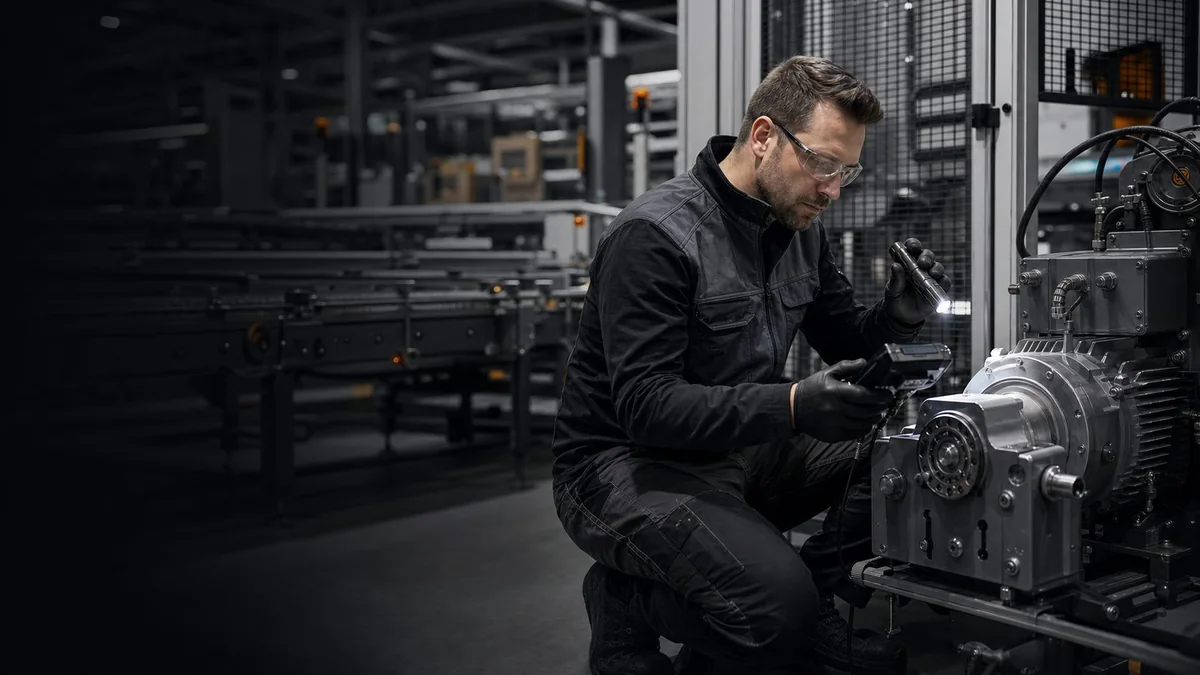
Whether the candidate keeps mixed equipment running, or only the machine they know.
Industry
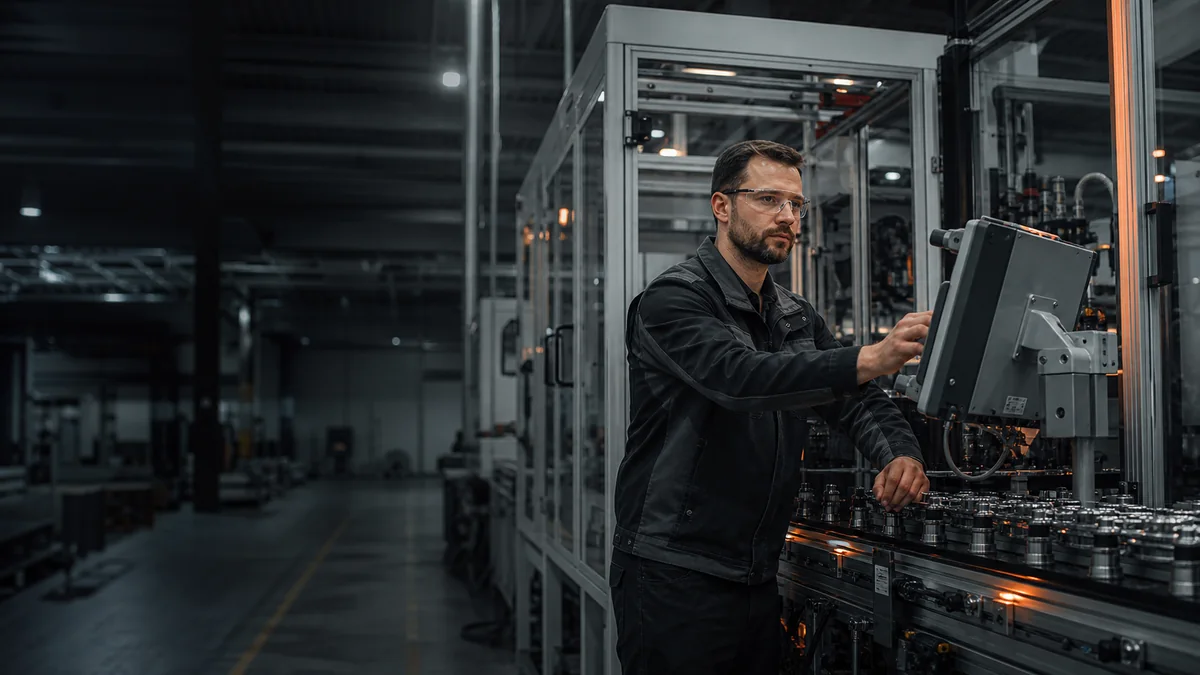
Manufacturing is where the widest mix of technician profiles meets the hardest constraint: the line has to keep running. This is how to define and assess the roles that keep it running.
What shapes the work
General manufacturing rarely runs a single type of equipment. A plant floor mixes older mechanical machines with newer automated cells, different vintages of control system, and equipment from suppliers that no longer exist. The technical challenge is not mastering one machine — it is keeping a heterogeneous floor available with a team that cannot specialise per machine.
That constraint shapes every technician role in manufacturing. It rewards breadth and diagnostic transfer over deep single-platform expertise, because a technician who can only work on one line is idle when a different one stops. It rewards preventive discipline, because unplanned downtime on a mixed floor is expensive to diagnose. And it rewards documentation, because the plant's knowledge of its own ageing equipment is often held in a few people's heads.
The most common manufacturing hiring mistake is scoping vacancies around a machine rather than around availability. A vacancy for "a technician for line 3" attracts single-line thinking; a vacancy that describes the mixed floor, the preventive expectation and the diagnostic breadth needed attracts the profile that actually keeps a manufacturing plant running.
Priorities
Roles
Manufacturing draws on the broadest range of technician profiles of any industry. These are the ones plants hire most.
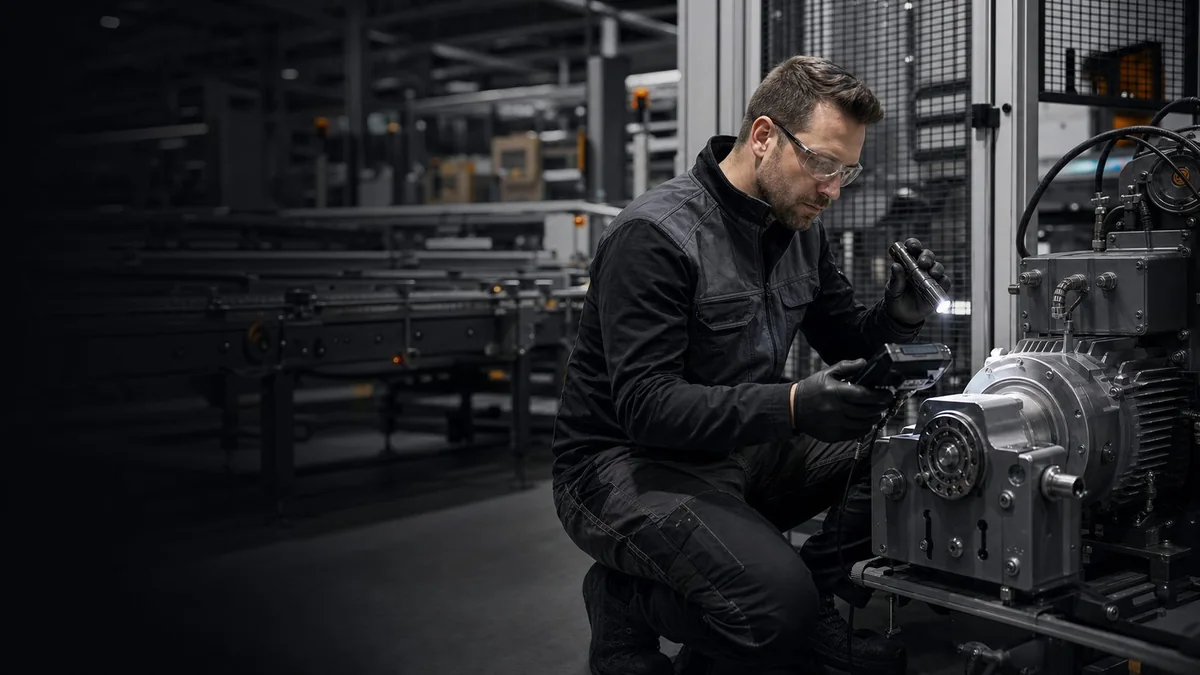
The core manufacturing hire: keeping mixed equipment available through preventive and corrective work.
Explore profile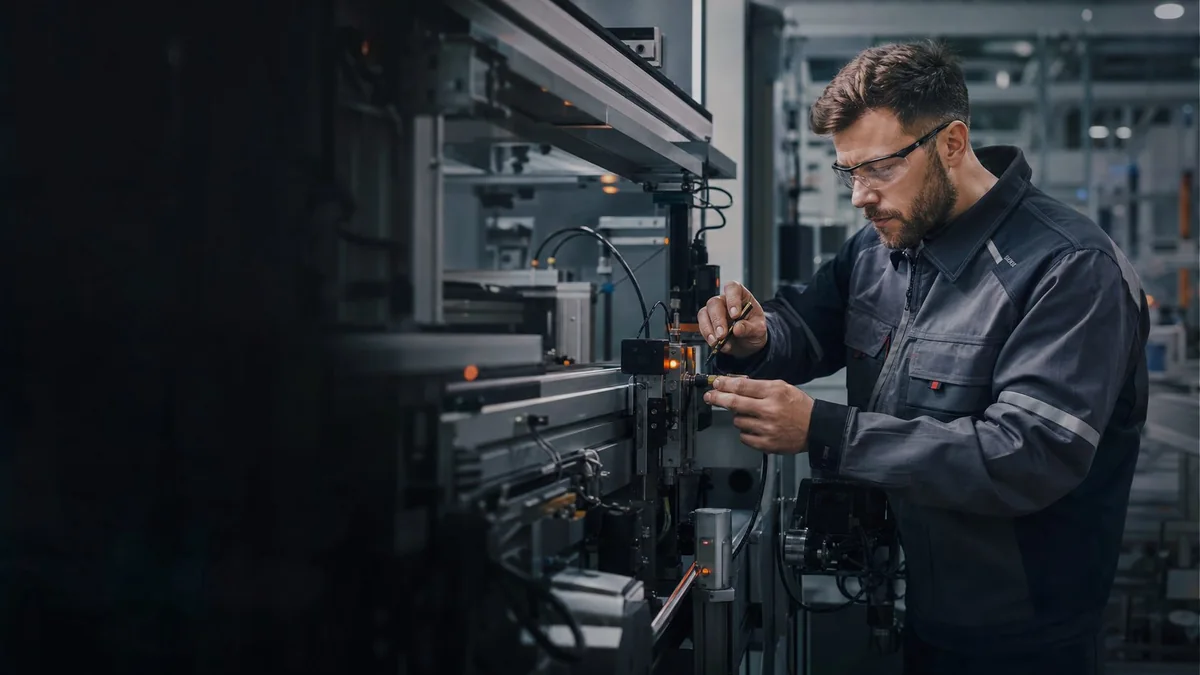
For the automated cells on the floor, where faults cross mechanics, electronics and control.
Explore profile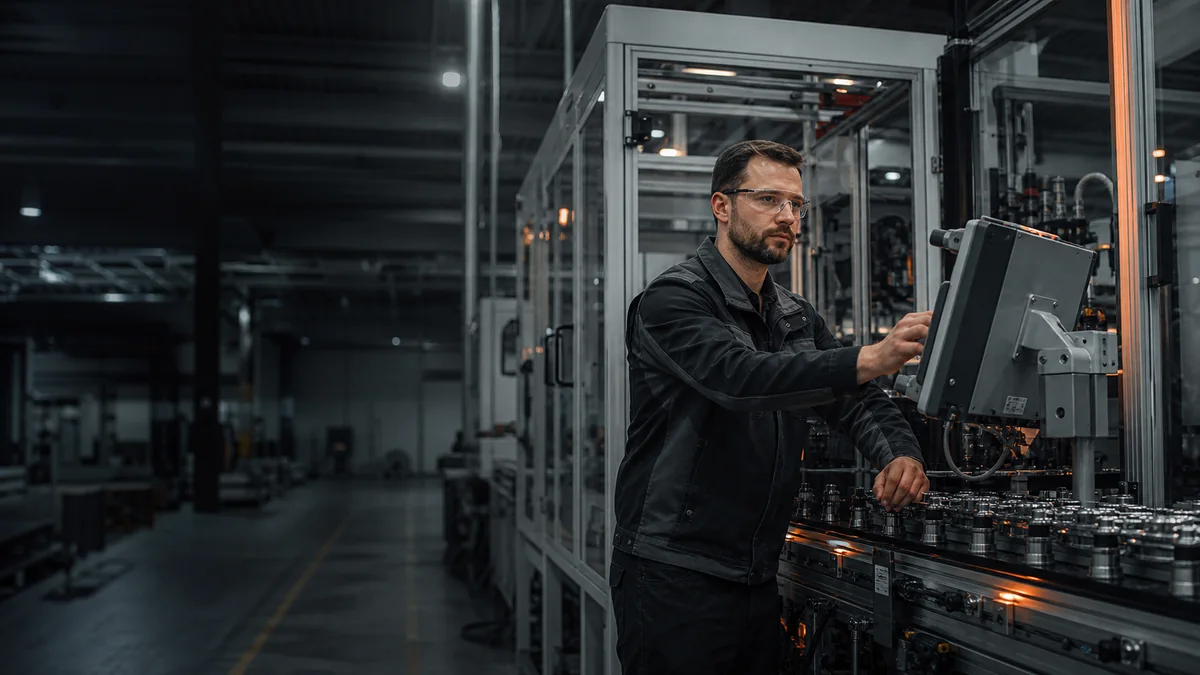
Broad production support across a whole area rather than a single machine.
Explore profile
For the control layer of automated lines and the behavioural faults they produce.
Explore profile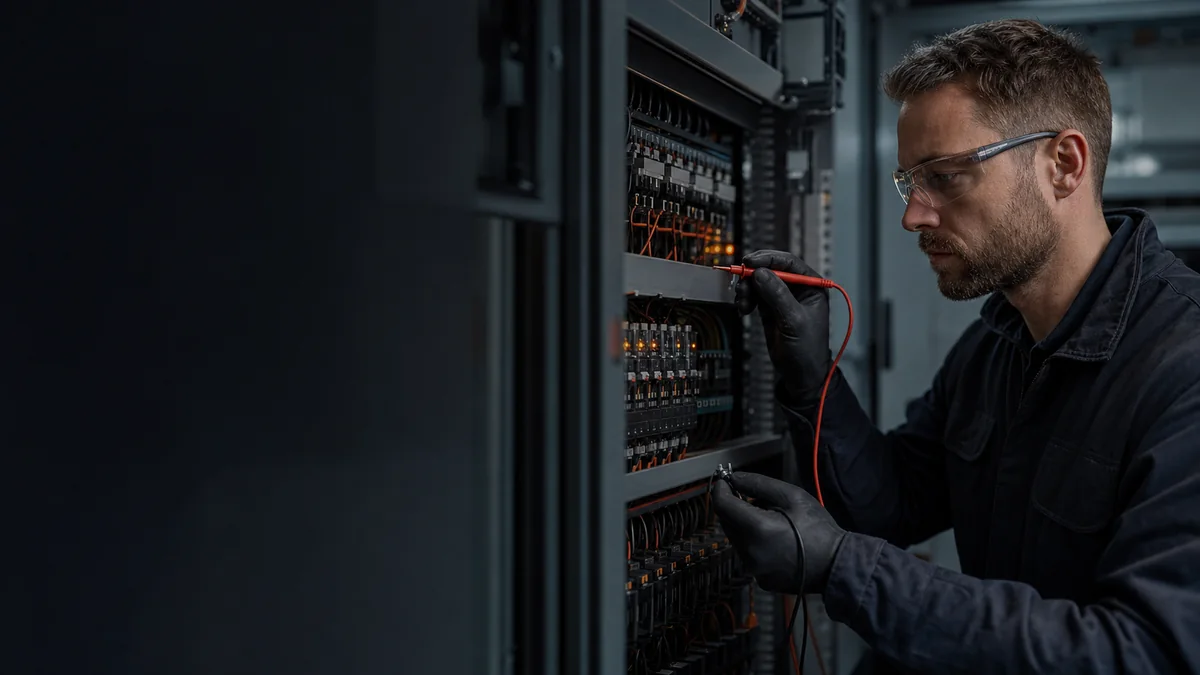
Measurement, testing and diagnosis on the plant's electrical and control systems.
Explore profile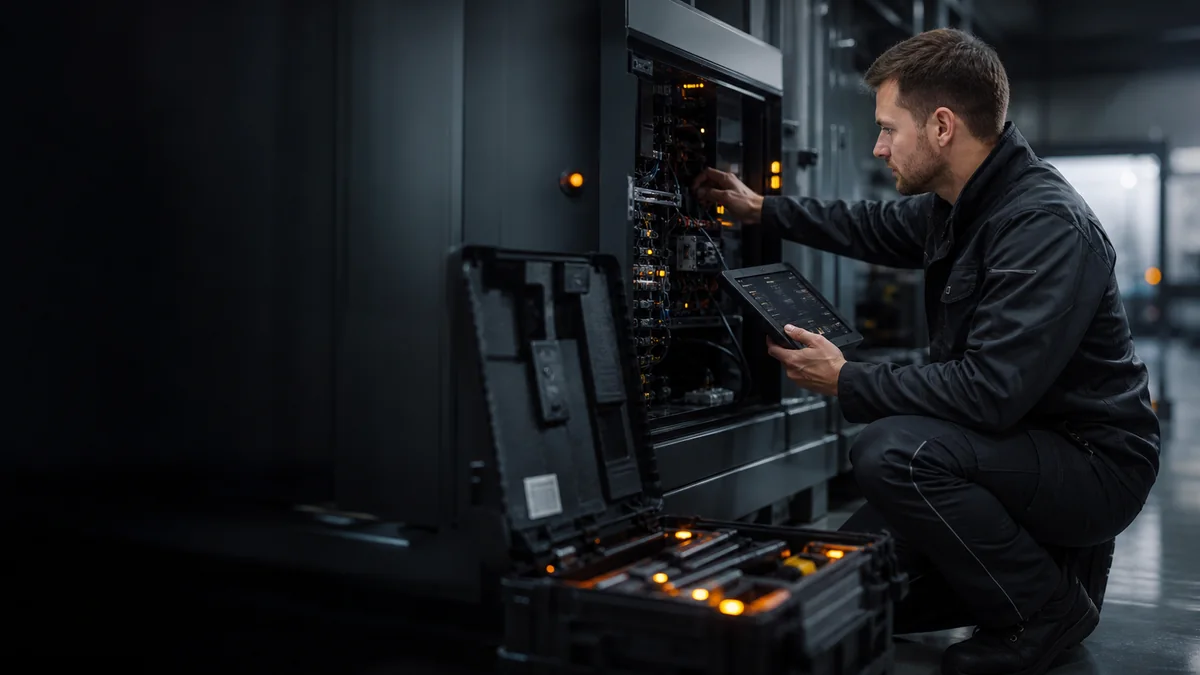
Where supplier equipment is maintained under external service contracts.
Explore profileEquipment and systems
The heterogeneity is the point. Ask candidates which of these they have actually worked across, not just seen.
Before you write the vacancy
The equipment mix and its age tell candidates whether their breadth fits.
Whether the role is reactive cover or owns a preventive plan changes who applies.
Most manufacturing technician roles are shift roles. Be explicit.
If capturing equipment knowledge matters, say so — it filters for the right habit.
Whether you need one-line depth or floor-wide transfer.
Recognition and work authorisation depend on the individual and country.
FAQ
Most often a maintenance technician with diagnostic breadth, because the defining challenge is keeping a mixed floor available rather than mastering one machine. Where the floor includes automated cells, mechatronics and automation technicians become important too. The right answer depends on your equipment mix, which is exactly why the vacancy should describe the floor rather than name a single role.
On a mixed floor, diagnostic breadth usually beats single-platform depth, because a specialist tied to one line is idle when another stops. The exception is a plant built around one critical, complex machine, where depth on that machine justifies a specialist. Assess breadth against your specific equipment mix rather than in the abstract.
Ask which machines they kept available and for how long, and how they approach a fault on equipment they have not seen before. Diagnostic transfer — reasoning that moves between machines — predicts manufacturing performance better than familiarity with your specific equipment. Our assessment guide sets out a structure.
On Candidate Force. Balkan Technician helps you define the manufacturing role and the breadth it needs; Candidate Force is where you explore profiles, publish the vacancy, receive applications and manage the process.
Explore technician profiles for production availability and continue your hiring in one place.