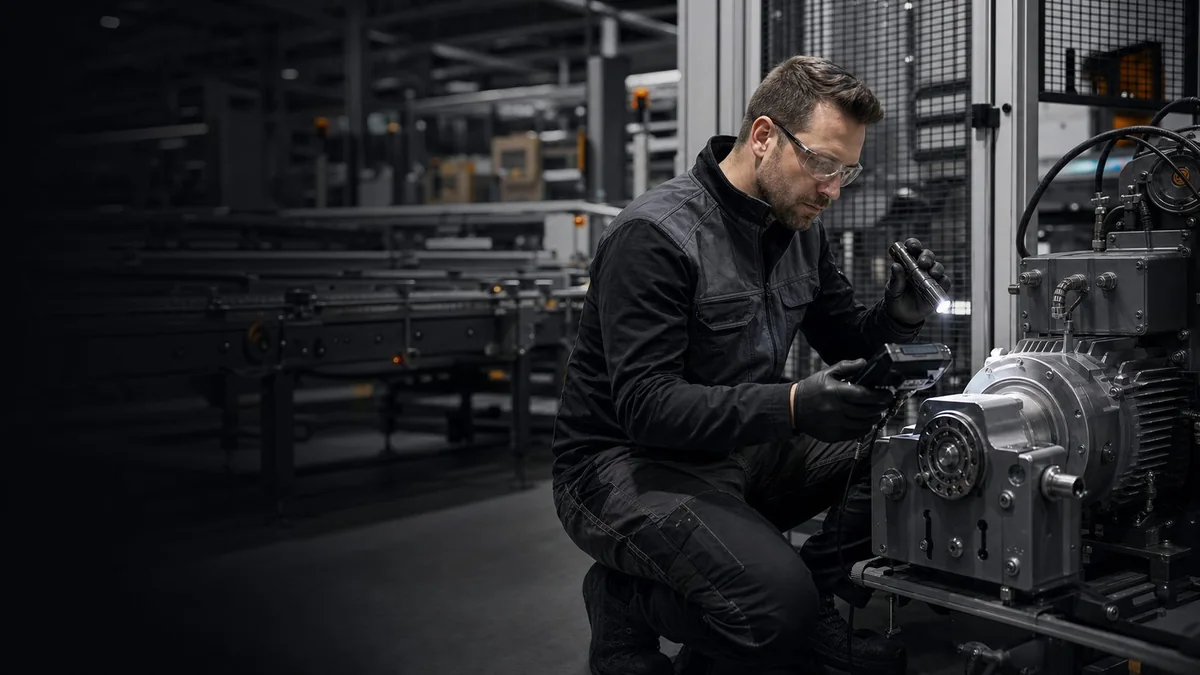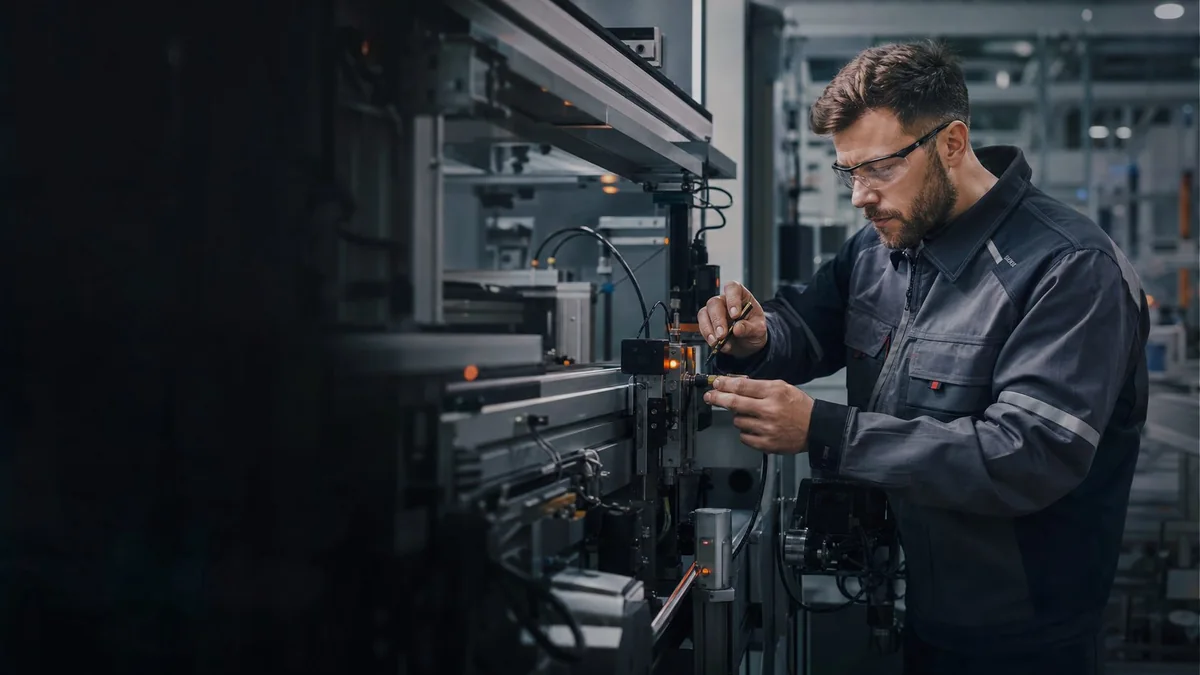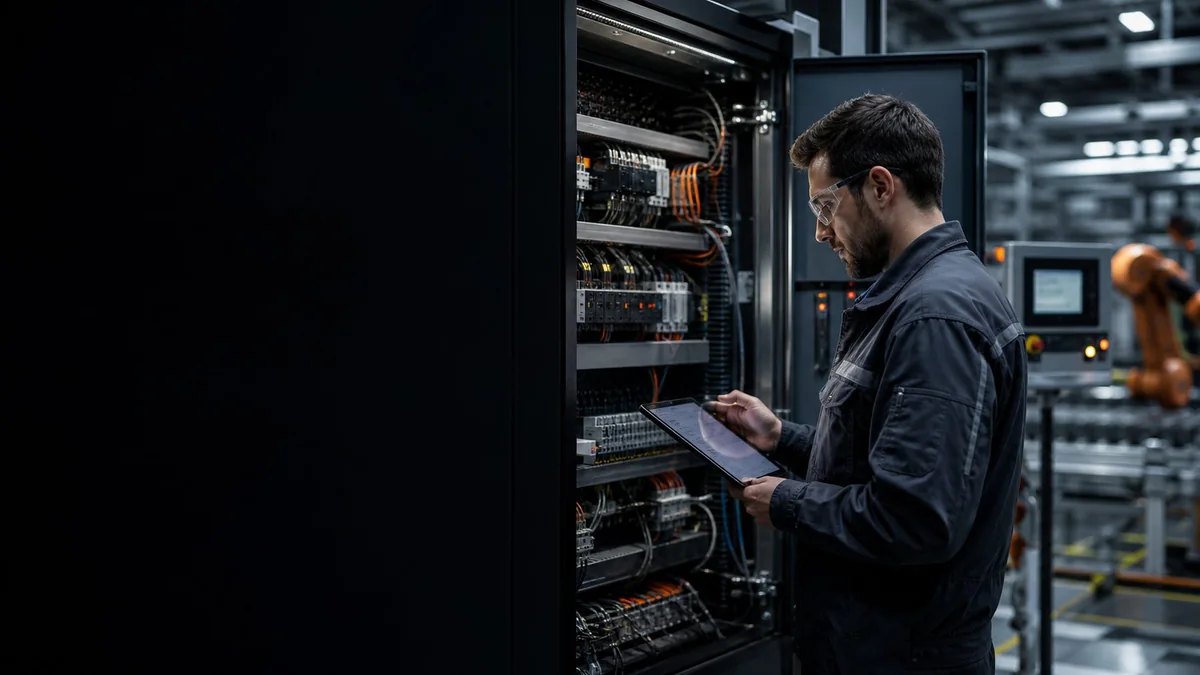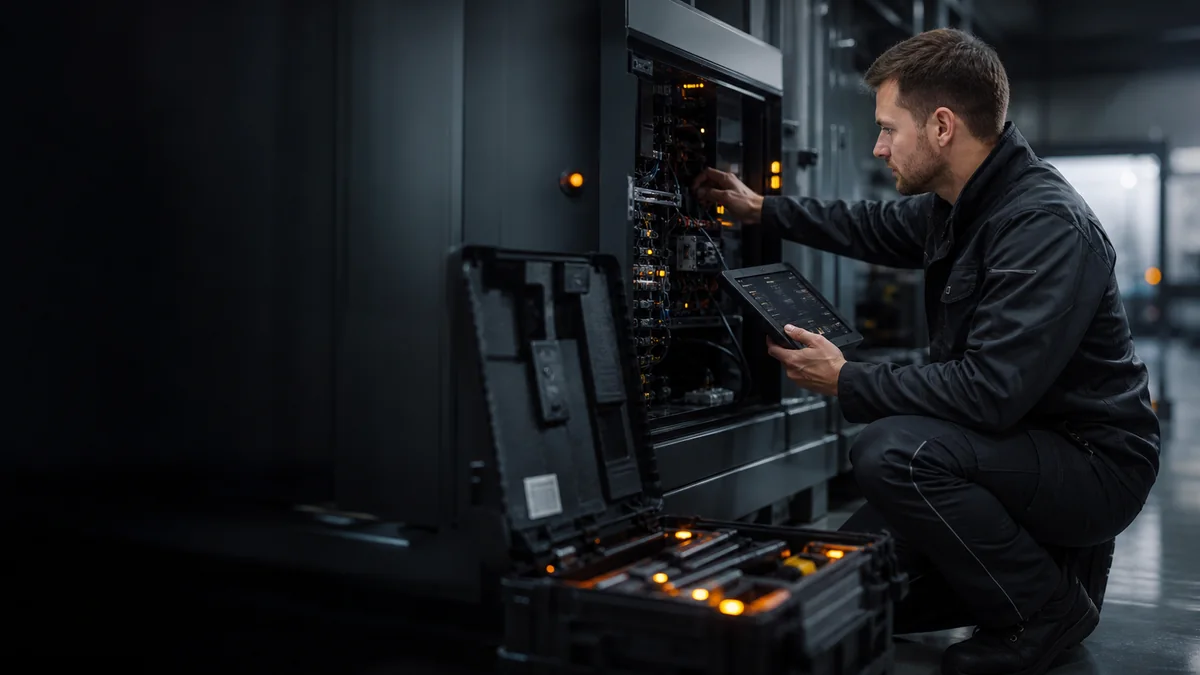
Production support
Keeping a production area technically supported through normal running, changeovers and product variants.
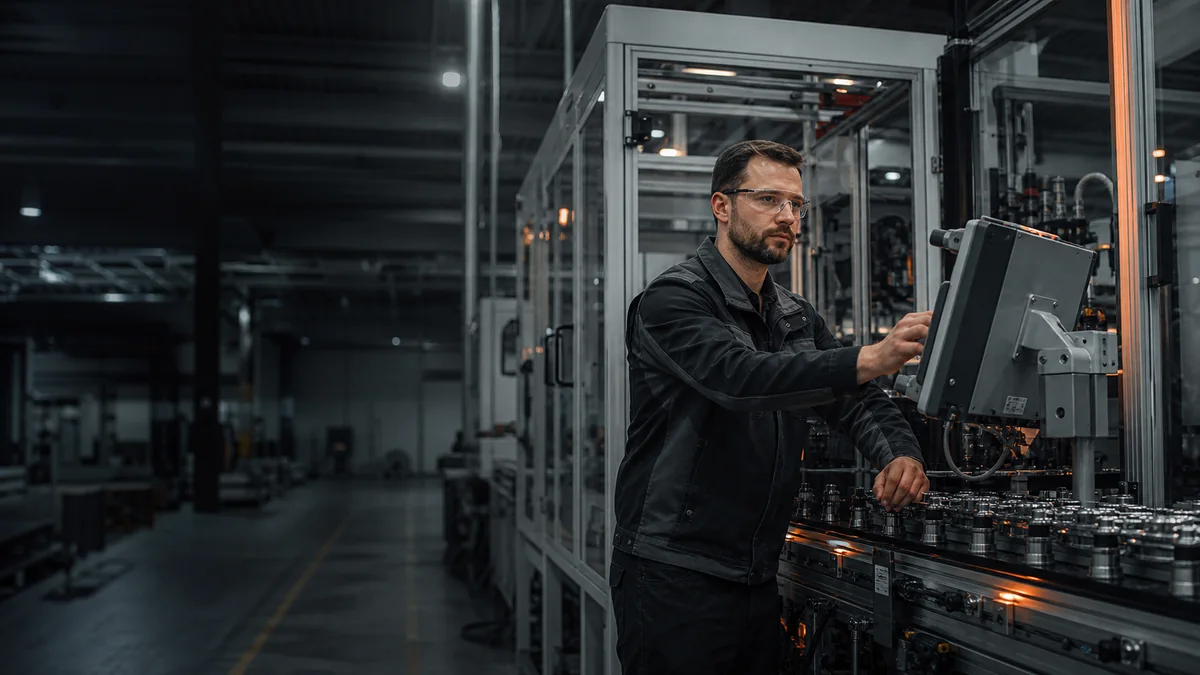
Technician profile
Explore the broad-based technical profile that keeps a production floor working — the person who supports the equipment, the process and the people running both.
The problem
Most specialist technician vacancies are easy to write, because the role has a sharp edge: a mechatronics technician diagnoses across disciplines, a commissioning technician hands over new equipment. The industrial technician is harder to write precisely, and that difficulty is exactly why plants under-hire the profile. The work is real, constant and valuable — it just does not reduce to a single verb.
What an industrial technician actually provides is technical continuity on the production floor. They are the person who understands the equipment well enough to support production without being a single-machine specialist, who can hold a process steady, who notices the drift before it becomes a stoppage, and who keeps the documentation that everyone else relies on and no one else updates.
Because the role is broad, it is the one most often filled by accident — an operator who learned more than the job required, a maintenance technician stretched across production support, a specialist doing generalist work at a specialist salary. Hiring the profile deliberately, and defining what breadth you actually need, is usually cheaper and more stable than any of those accidents.
Role overview
An industrial technician provides broad technical support to production. The defining quality is breadth applied to a specific plant: they know enough about the mechanical, electrical and process side of the equipment to keep it supported, and enough about the product and the line to know when something is off before an instrument says so.
Day to day, the work spans supporting the production line through normal running and changeovers, first-line diagnostics before a specialist is called, small corrective and optimisation work, quality checks, and keeping the technical documentation and process records current. They are often the bridge between operators, maintenance and engineering — the person who can translate what the operator noticed into something a specialist can act on.
They work across manufacturing, process industries, food production and general industrial environments, typically on shift and typically as a fixture on one production area rather than a floating specialist. Their value compounds with tenure: an industrial technician who has been on the same line for two years knows things about it that no documentation captures.
When your company needs this profile: when production needs steady technical support broader than a single specialism, when you want first-line diagnostics and process attention on the floor rather than on call, and when the alternative is stretching a specialist thin. If you need deep cross-domain fault finding, a mechatronics technician fits; if availability of installed equipment is the whole goal, a maintenance technician does.
Responsibilities
Skills
Profiles may have experience with the areas below. For a generalist profile the point is not maximum depth in any one area but useful competence across several, matched to the equipment on your floor.
The trap with this profile is hiring for breadth in the abstract. Breadth only matters relative to a specific production area. An industrial technician who is genuinely strong across a metal-forming line may be a mediocre fit for a filling line, not because they lack ability but because the useful breadth is different. Establish which systems your floor actually runs, then test breadth against those.
Equipment
Industrial technician experience is defined by the production environment as a whole rather than by a single machine. Ask what the whole line looked like.
Industries
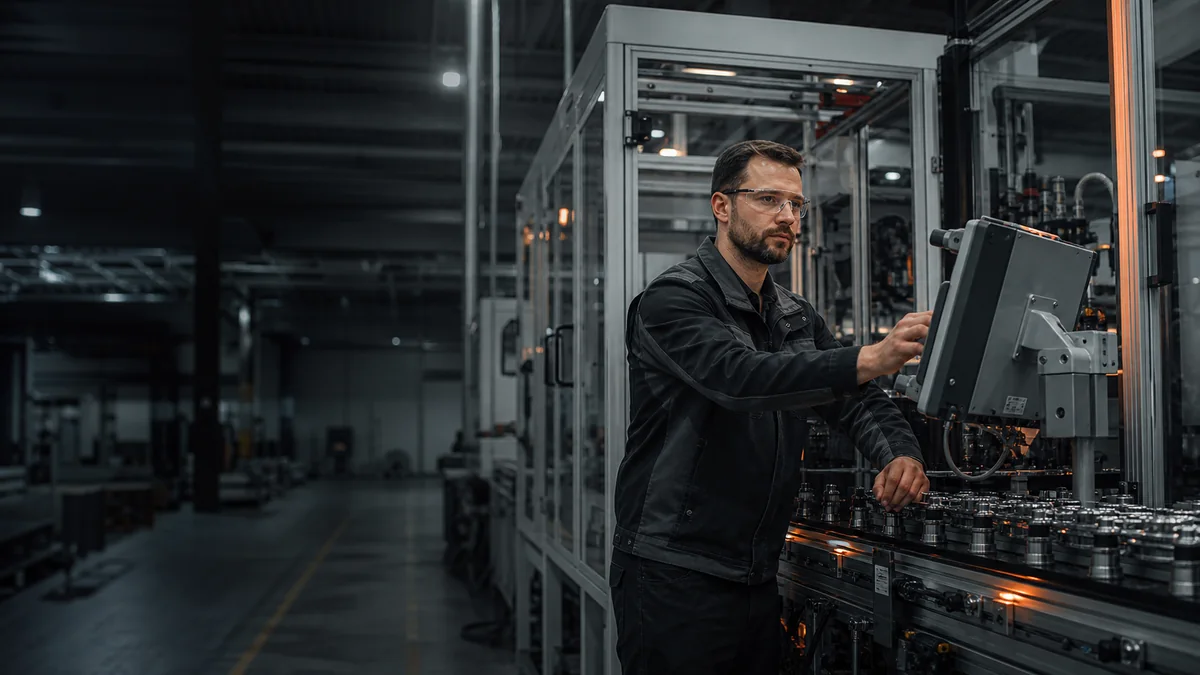
Broad production support across mixed equipment and continuous output.
Explore profile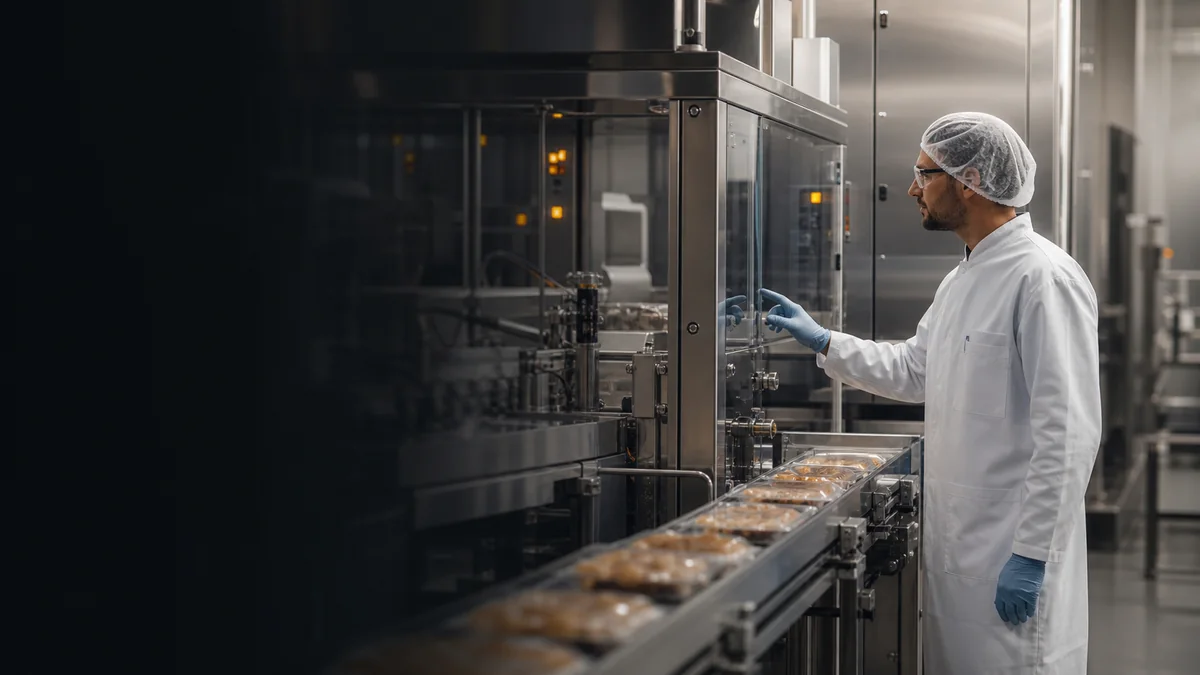
Line support, changeovers and quality attention in hygienic environments.
Explore profile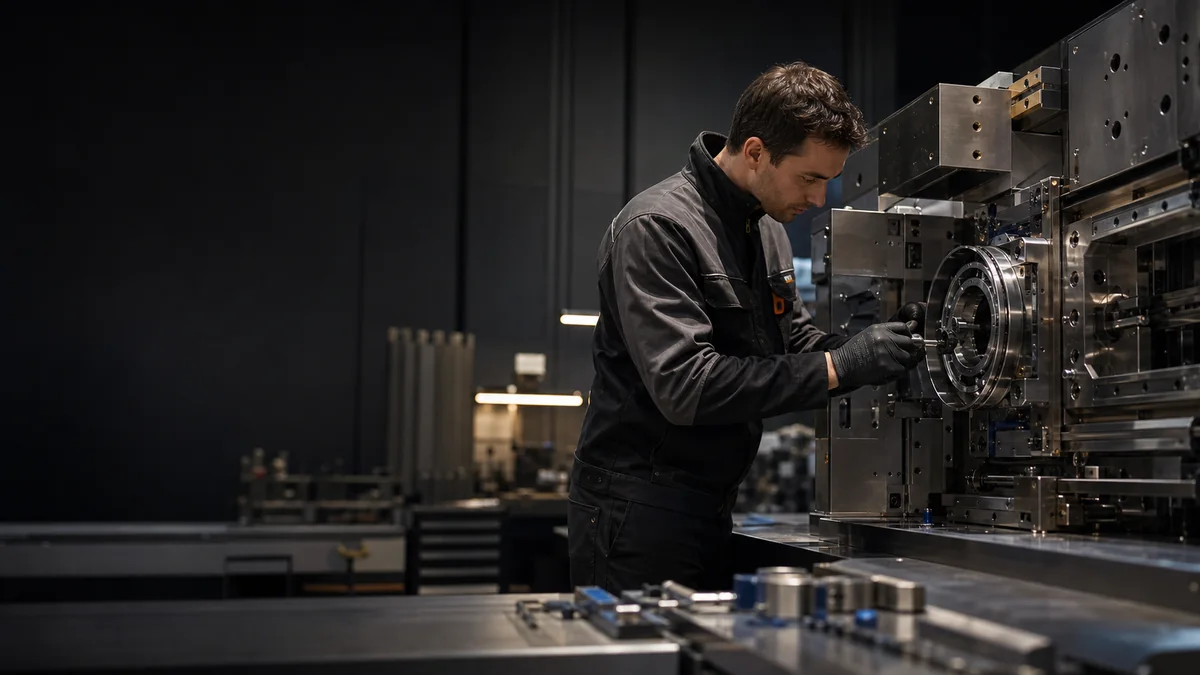
Supporting internal production and test equipment.
Explore profile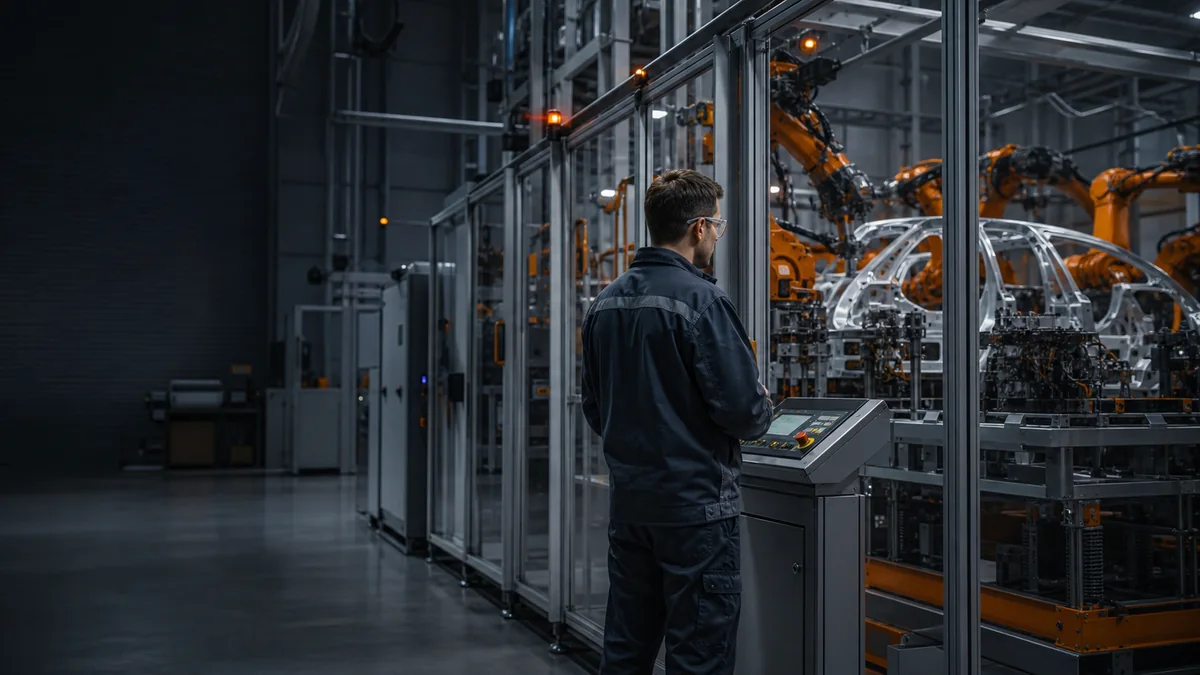
Floor-level support on high-availability production lines.
Explore profile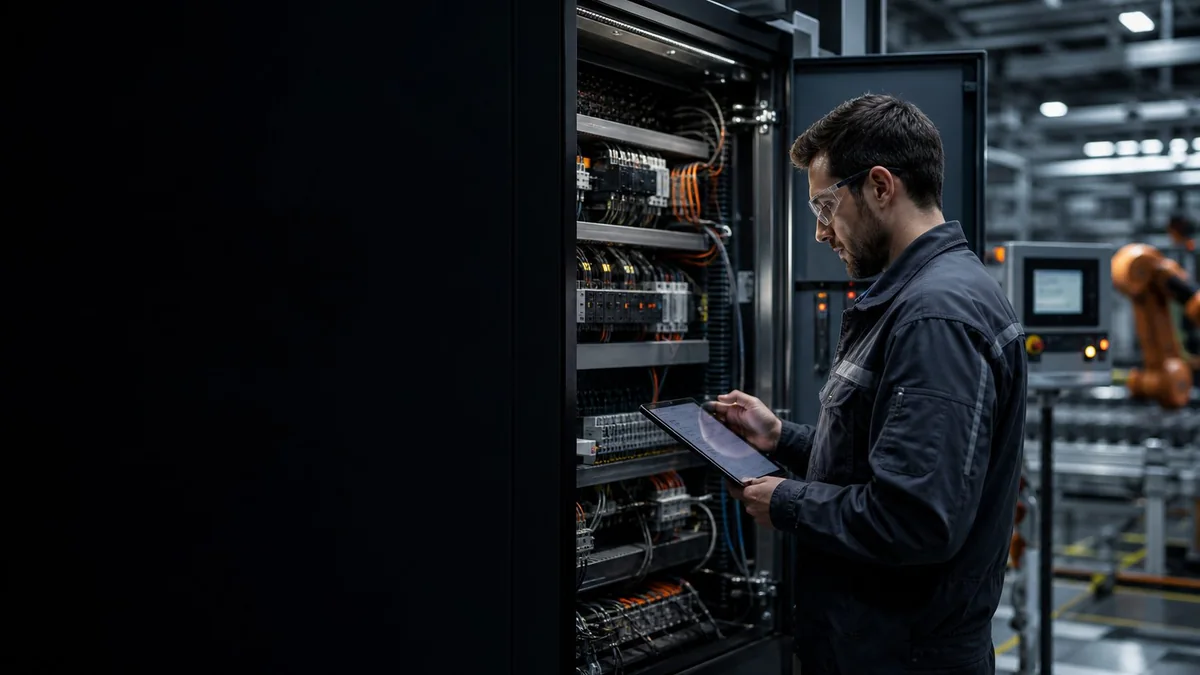
Supporting automated cells alongside specialist control staff.
Explore profileVerification
Not breadth in general — breadth across the specific systems your production area runs.
Time supporting a production line, on shift, not time in a technical department.
Which lines and industries, and how comparable they are to yours.
Whether they know the edge of their own competence and escalate cleanly.
A generalist who does not keep records leaves no trail for the next shift.
Useful context. For this profile, demonstrated breadth matters more than the certificate.
Whether they notice process drift, or only respond to a stoppage.
Most industrial technician roles are shift roles. Confirm it early.
Verified against your documentation and shift communication, individually.
Depend on country, role and individual. Confirm with the competent authority.
Recruitment
Describe the production area and the breadth it needs, not just the word "technician". This profile is mis-hired when the vacancy is vague.
Review industrial technician profiles on Candidate Force against that definition.
Name the line, the equipment mix and the shift pattern. Breadth is only meaningful in context.
Assess against production environments supported and range demonstrated.
Verify qualifications, language and work authorisation individually.
FAQ
It is the broad technical support profile on a production floor: someone with enough competence across mechanical, electrical and process areas to keep a production area supported, diagnose first-line problems and hold quality steady, without being a single-machine specialist. Because the role is defined by breadth rather than a single task, the title varies more than most — which is why defining the specific breadth you need matters so much.
A maintenance technician is defined by the objective of keeping equipment available — preventive plans, corrective repairs, downtime. An industrial technician is defined by broad support of the whole production process, which includes some maintenance but also diagnostics, process attention, quality and documentation. In smaller plants one person often does both; in larger ones they are distinct roles.
The breadth is the specialism. A good industrial technician provides something a collection of narrow specialists cannot: continuity and context across a whole production area, and the judgement to know what to handle and what to escalate. The risk is hiring for breadth in the abstract; the value appears when breadth is matched to a specific floor.
Anchor it in your production area rather than in the job title. Describe the line, the equipment mix, the product, the shift pattern and the specific support you need — first-line diagnostics, changeover support, quality checks, documentation. A vacancy anchored in the real floor attracts the right breadth; a vacancy that just says "industrial technician" attracts everyone and fits no one.
Commonly formal vocational or post-secondary qualifications in mechanical, electrical, mechatronic or general industrial technical fields. The Western Balkans has established technical education pathways. For this profile, demonstrated breadth and production experience usually tell you more than the specific certificate, though level and recognition still vary by individual and country and must be confirmed with the competent authority.
On Candidate Force. Balkan Technician explains the profile so you can define the breadth you actually need; Candidate Force is where you explore candidates, publish the vacancy, receive applications and manage the process.
Explore industrial technician profiles from the Western Balkans.