Hygienic awareness
Understanding wash-down, cleanable design and correct materials — not automatic from general industry.
Industry
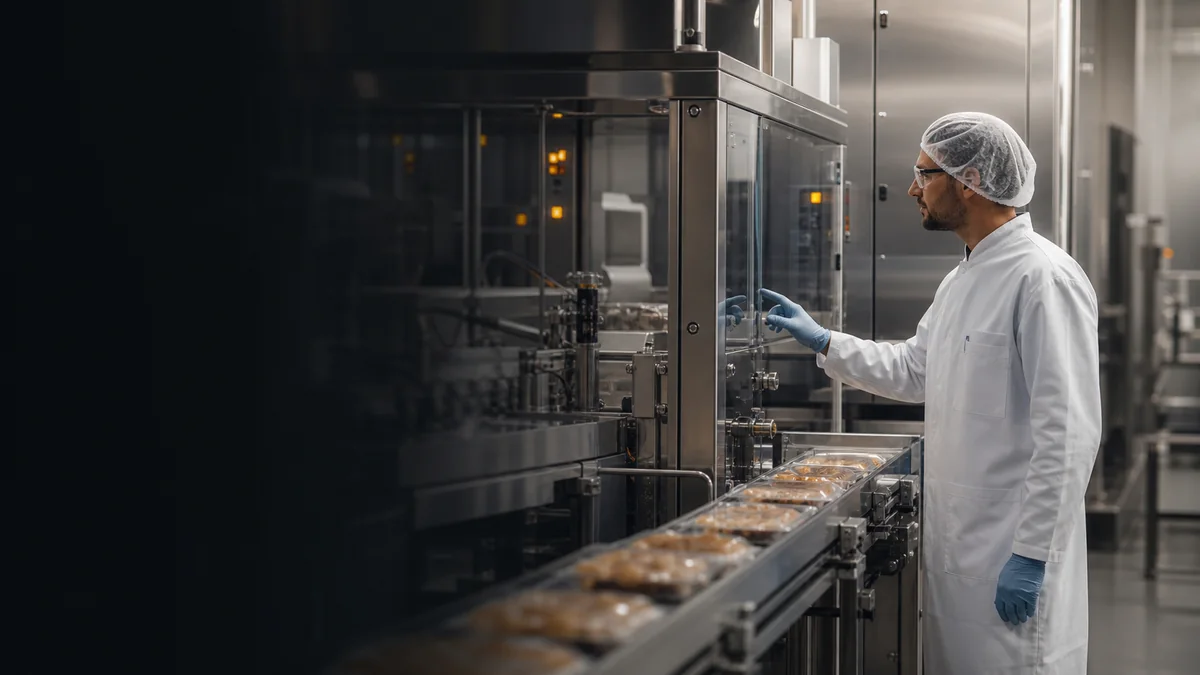
Food production adds two constraints most industries never face: the product spoils, and hygiene is not negotiable. Both change what a good technician looks like.
What shapes the work
Food and beverage production runs under two constraints that reshape technical work. First, the product is perishable, so a stoppage is not just lost output — it can be lost material, and the clock is unforgiving in a way it is not when the work-in-progress is metal. Second, the environment is hygienic and regulated, which governs how equipment is designed, cleaned, accessed and repaired. A repair that ignores hygienic design is not a repair; it is a contamination risk.
These constraints select for a particular kind of technician. Frequent product changeovers and format changes make setup and changeover skill central, far more than in a plant that runs one product for months. Hygienic design — cleanable surfaces, wash-down-rated components, correct materials — is knowledge a technician either has or does not, and it does not transfer automatically from general manufacturing. And availability pressure is acute, because a line down during a production window can waste a batch, not just a shift.
The common food-production hiring mistake is treating it as generic manufacturing maintenance. A strong general maintenance technician can be a poor fit if they do not understand why a component choice matters for wash-down, or how a changeover discipline protects both product and schedule. Assess hygienic awareness and changeover fluency specifically — they are what separate a food-plant technician from a general one.
Priorities
Roles
Food production hires around availability, packaging lines and hygienic maintenance.
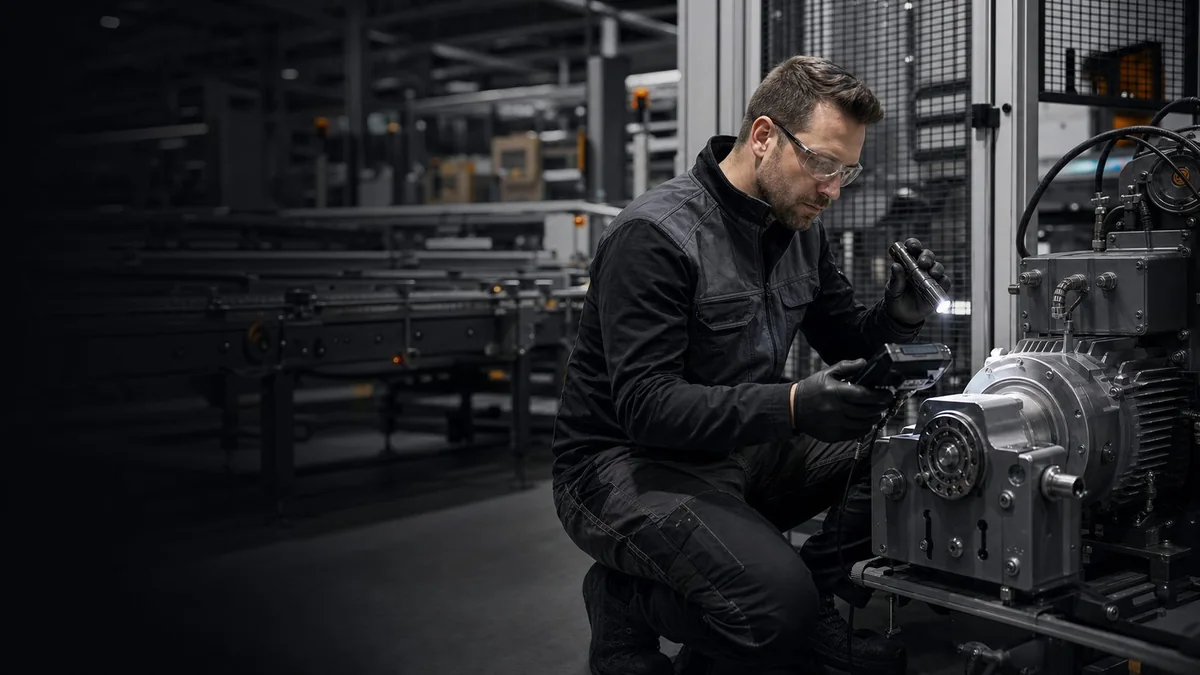
The core food-plant profile: keeping lines available under changeover and hygiene constraints.
Explore profile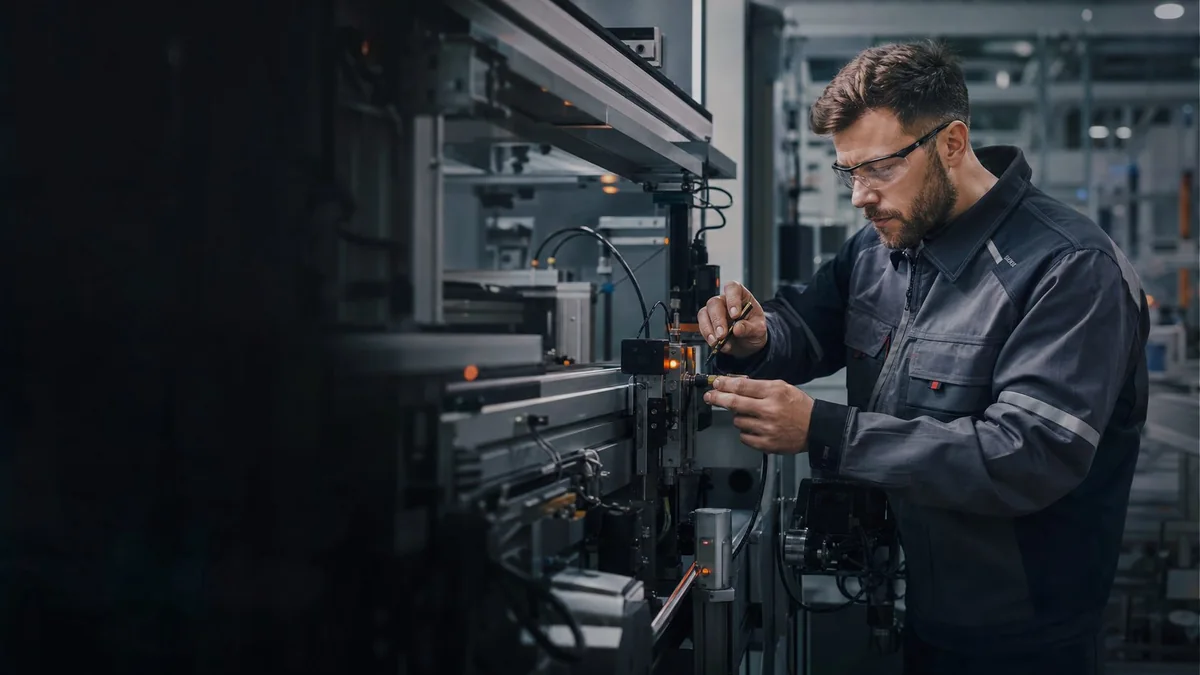
Cross-domain diagnosis on automated filling, packaging and processing lines.
Explore profile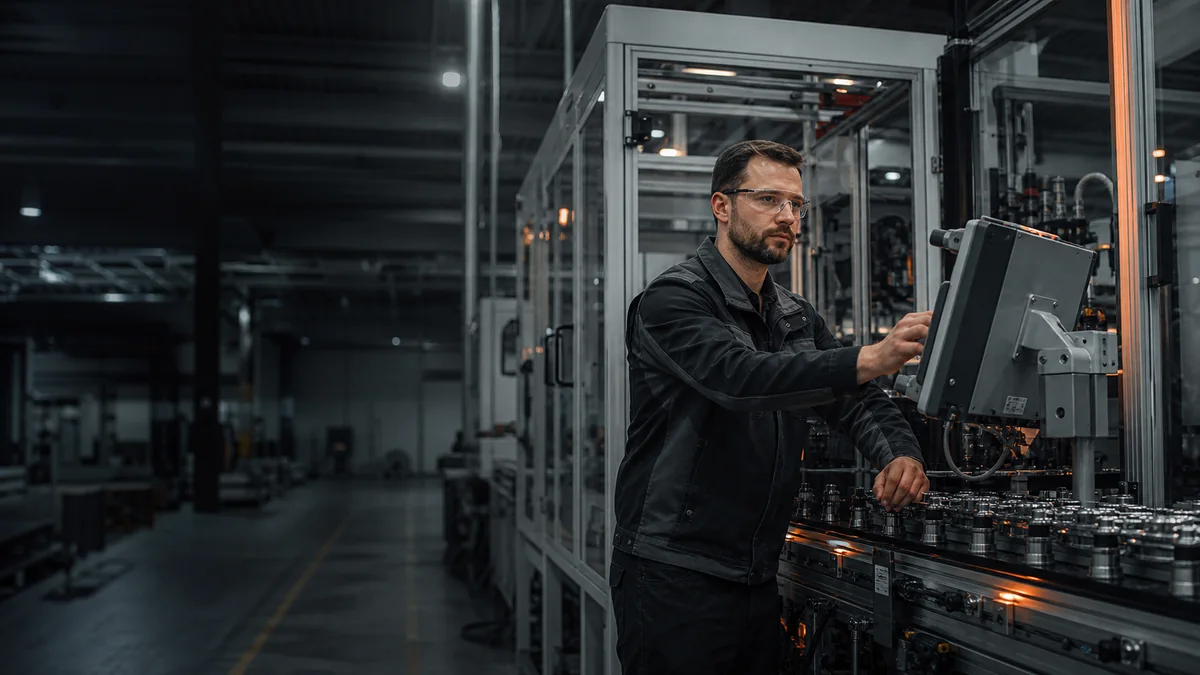
Broad line support and changeover across a production area.
Explore profile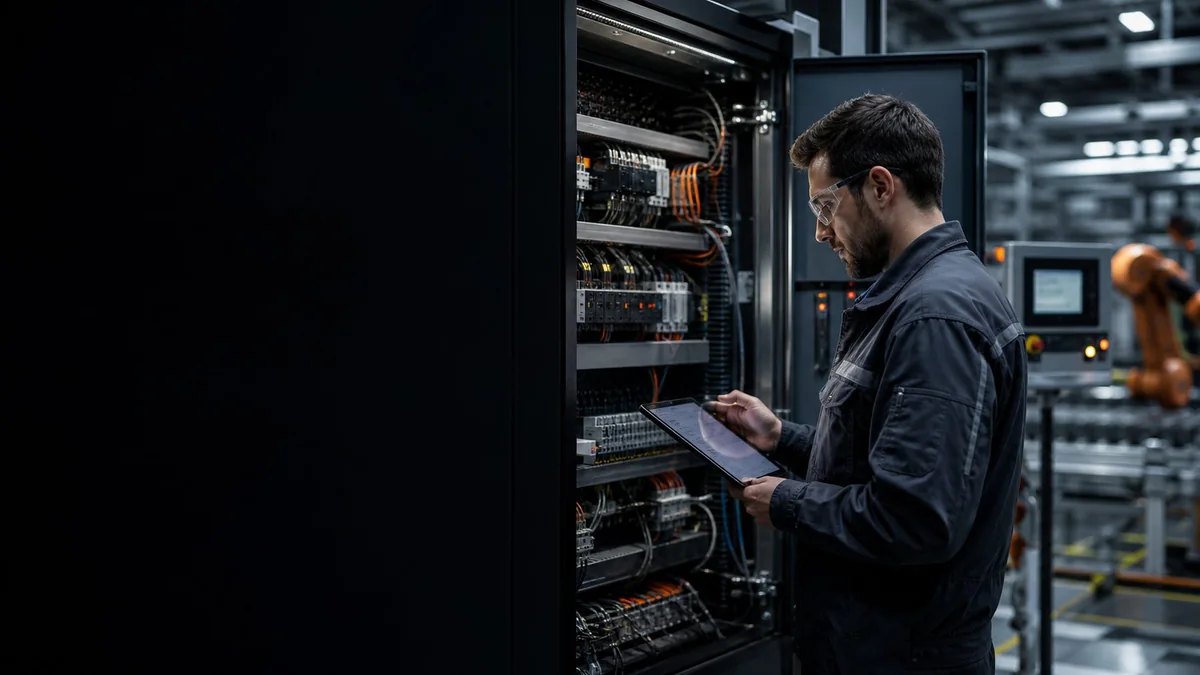
Control-layer support on automated food and packaging lines.
Explore profile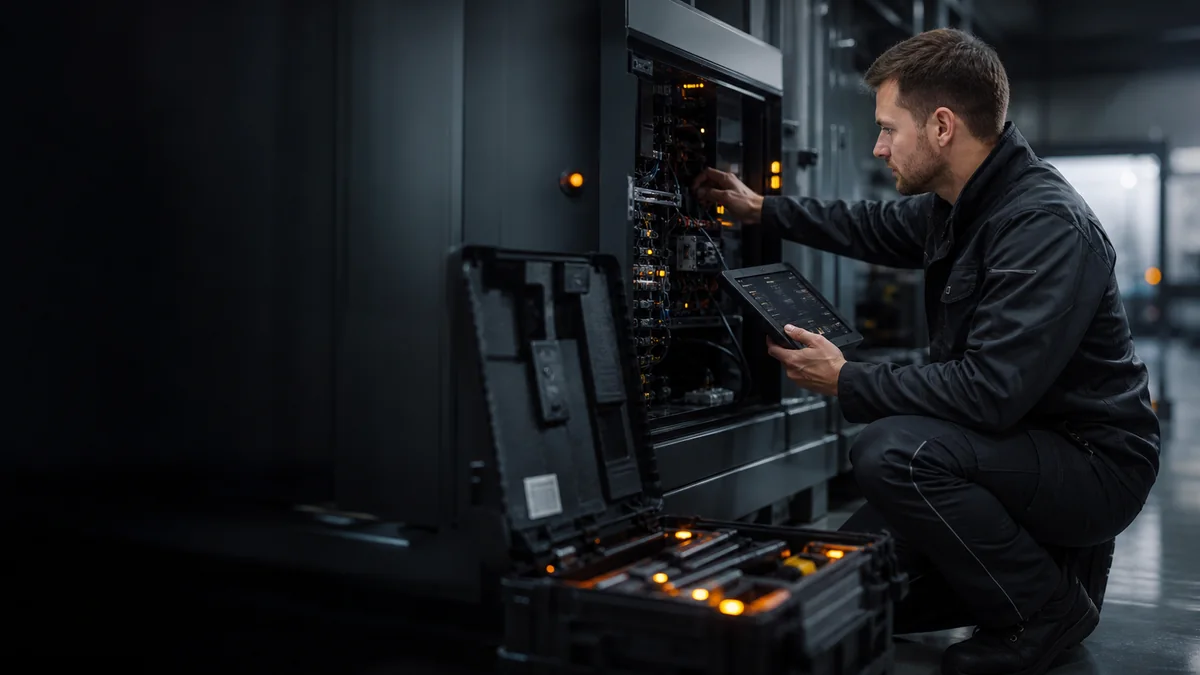
External service on filling, packaging and refrigeration equipment.
Explore profile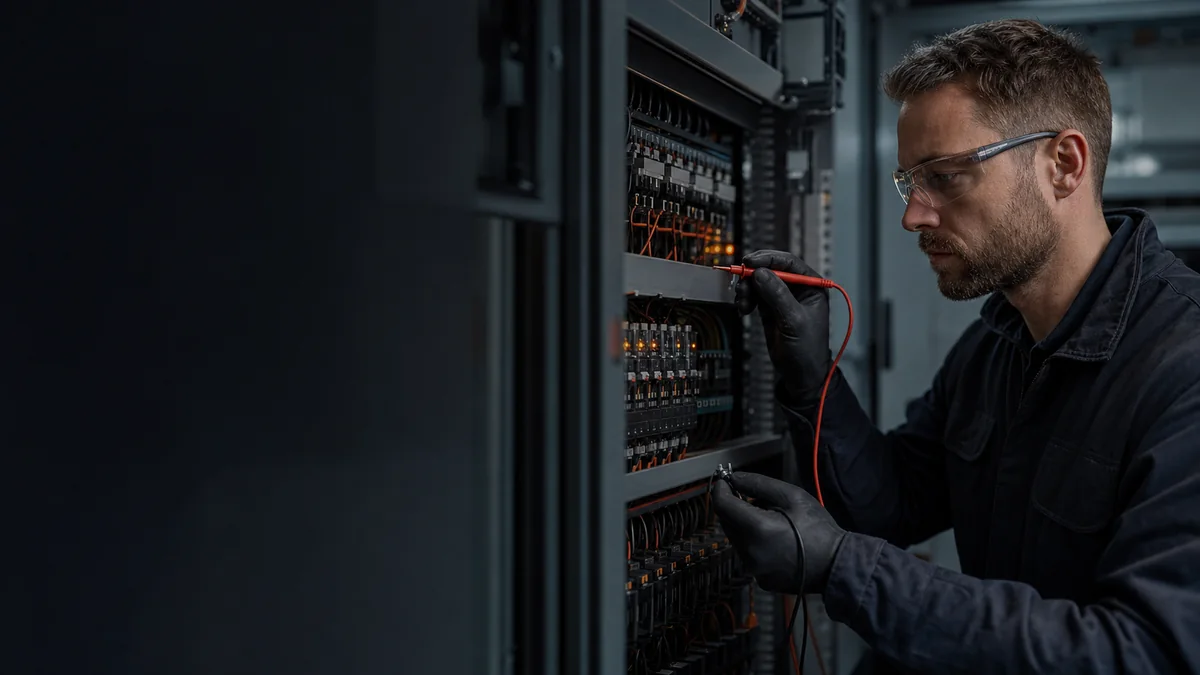
Electrical testing and diagnosis on production and packaging equipment.
Explore profileEquipment and systems
Hygienic, fast-changing and availability-critical. Ask about changeovers and wash-down, not just machines.
Before you write the vacancy
Wash-down, hygienic design and materials awareness. It filters for real food-plant experience.
If frequent format changes are central, say so — it is a distinct skill.
A perishable product raises the cost of downtime. Candidates should understand the clock.
Filling, packaging, processing, refrigeration — specificity attracts the right experience.
Food production often runs unusual patterns. Be explicit.
Recognition and work authorisation depend on the individual and country.
FAQ
Sometimes, but do not assume it. Food production adds hygienic design knowledge and changeover discipline that do not transfer automatically from general manufacturing. A strong maintenance technician who does not understand why a component must be wash-down-rated, or how a fast changeover protects both product and hygiene, will struggle. Assess hygienic awareness and changeover fluency specifically rather than assuming general maintenance skill covers them.
Because food plants change product and format far more often than plants running one product for months, and each changeover is a point where speed, hygiene and correctness all matter at once. A technician who is fast but sloppy risks contamination; one who is careful but slow risks the schedule. Changeover fluency — fast and disciplined — is a distinct, assessable skill worth testing directly.
It raises the cost and urgency of downtime. In a metalworking plant, work-in-progress waits; in food production, a line down during a production window can spoil a batch. This makes diagnostic speed under a clock, and preventive discipline that avoids the stoppage entirely, more valuable than in industries where downtime is merely lost time. Test how candidates prioritise when the product itself is at stake.
On Candidate Force. Balkan Technician helps you scope the hygiene, changeover and availability demands; Candidate Force is where you explore profiles, publish the vacancy, receive applications and manage the process.
Explore maintenance, mechatronics and packaging profiles and continue your hiring in one place.