
European Union
Technicians from Croatia
Croatia is a full member of the European Union, the Eurozone and the Schengen Area — a fundamentally different legal and mobility status from the rest of this region.
A different legal status from the Western Balkans
Croatia is an EU member with freedom of movement. The work-authorisation and posting questions that are central for the other countries in this region largely do not arise for EU-based hiring. We list Croatia separately to keep that clear.
Industrial context
What Croatia offers technical employers
Croatia is not a Western Balkan sourcing case in the same sense as the other countries here. It joined the European Union in 2013 and adopted the euro and joined the Schengen Area in 2023. For an EU employer this changes the recruitment situation fundamentally: freedom of movement applies, and the work-authorisation questions that dominate the other country pages largely do not arise for EU-based hiring. We treat Croatia separately precisely so this is not blurred.
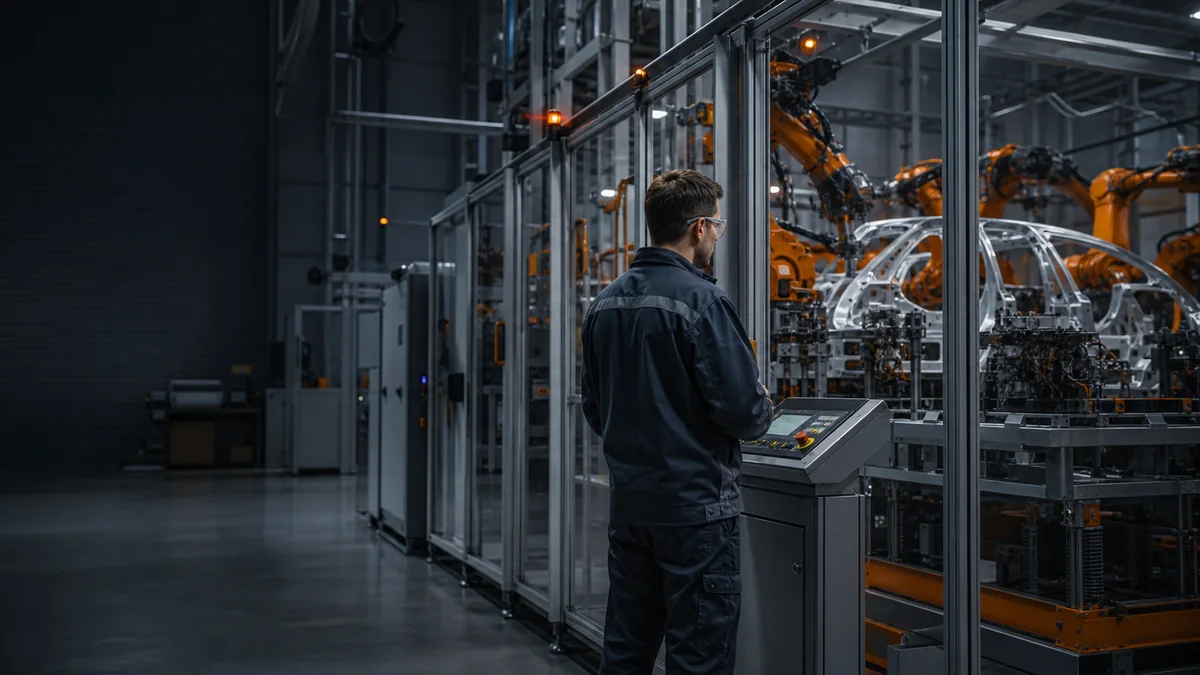
Industrially, Croatia has established strengths in shipbuilding, machine building, electrical and electronics manufacturing, and food processing, concentrated around Zagreb, Rijeka, Split and Slavonia. Its technical education system is well developed. The practical implication for EU employers is a familiar legal framework combined with a genuine industrial-technical workforce.
Sectors
Sectors candidates may have experience in
These sectors shape the country's industry. They indicate where experience is likely — they are not a guarantee about any individual candidate.
Education and language
Education pathways and languages
Croatia has a well-developed technical education system, from secondary technical schools to polytechnics and universities in mechanical, electrical and control engineering. Within the EU, qualification recognition follows EU frameworks, though specific recognition should still be confirmed for regulated roles.
The local language is Croatian. English is common among younger and more qualified candidates; German and Italian ability exists regionally. Verify the specific languages your role requires individually.
Verification
What to verify individually
Origin is a sourcing context, not an assessment. Verify each person individually.
-
Individual qualification
The person's training, credential and actual specialisation — not a regional assumption.
-
Equipment worked on
The specific machines and systems, and how close they are to yours.
-
Practical problem solving
A real troubleshooting example, not just a task list.
-
Language ability
Against your documentation and shift communication, verified individually.
-
Documents
Certificates, records and their recognition in your country.
-
EU framework
Freedom of movement applies for Croatia; still confirm recognition for regulated roles.
Find technicians from Croatia with Candidate Force
Explore profiles, publish your vacancy and manage applications in one place.