Real industrial experience
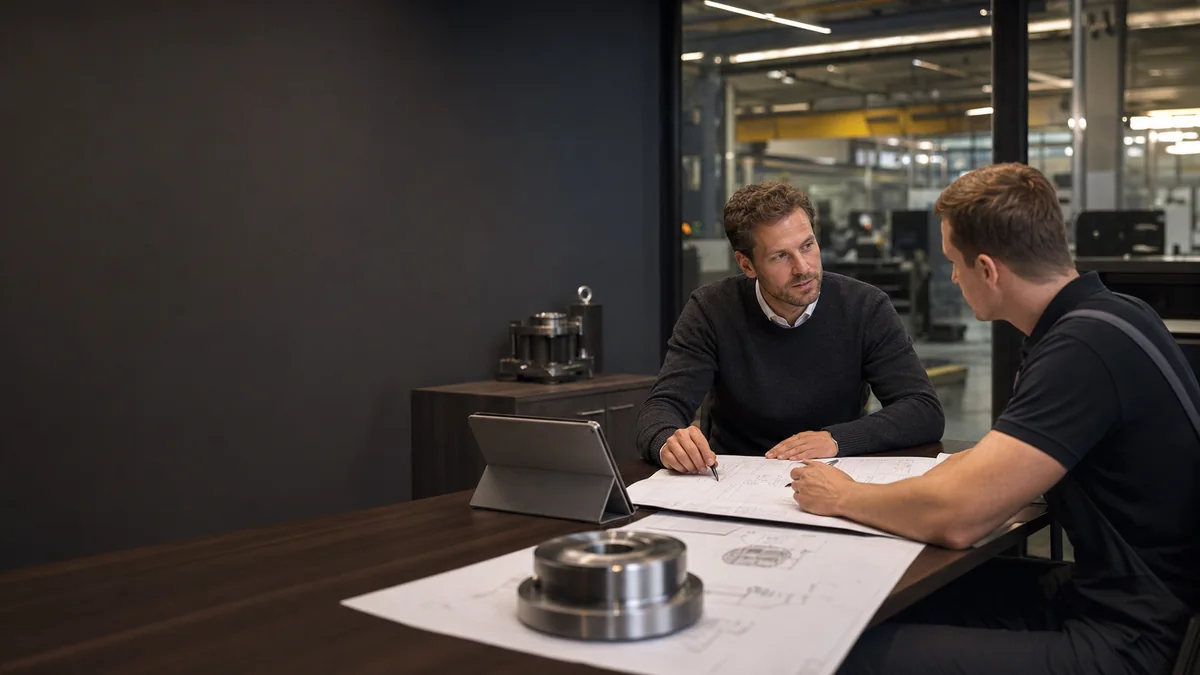
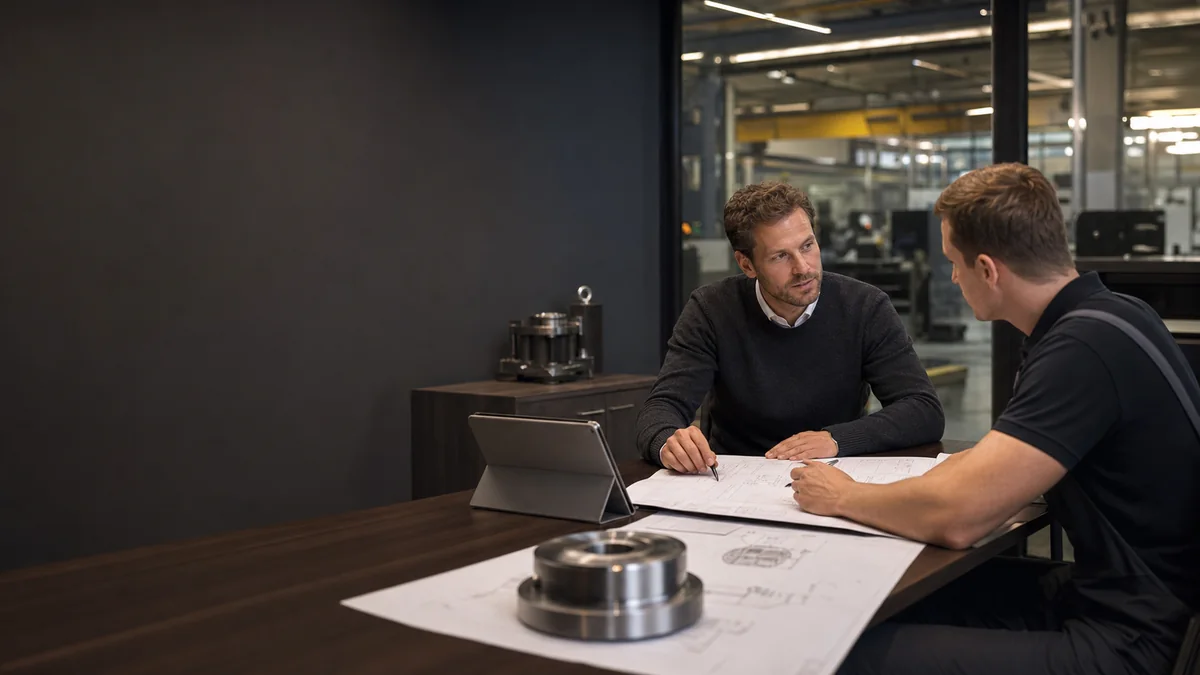
Candidates from genuine production, metalworking and automotive-supply environments.
Recruitment
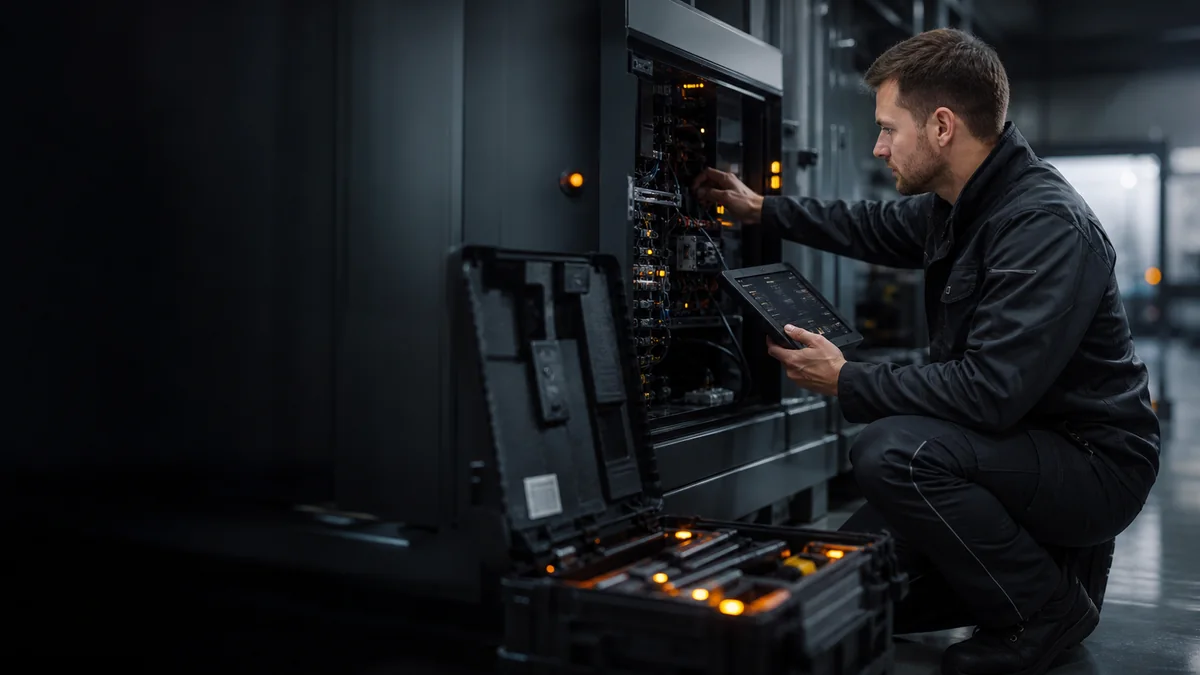
When local technical hiring cannot close the gap, the Western Balkans is a serious sourcing region — close, industrially experienced and diverse. Here is the honest case for it, and how to do it responsibly.
The honest case
European industry is short of technical staff, and in many regions the local market simply cannot supply them fast enough. When that is your situation, widening where you source is not a compromise — it is the realistic response. The Western Balkans is one of the strongest options for a European employer, for reasons that are concrete rather than promotional.
The first is industrial depth. Bosnia and Herzegovina, Serbia, North Macedonia, Kosovo, Albania, Montenegro and — as a distinct EU case — Croatia have genuine, long-standing manufacturing, metalworking, automotive-supply and machine-building sectors, and vocational education systems that still train technical profiles as formal qualifications. Many candidates have worked in real production environments comparable to those you already run.
The second is proximity. The region is close to Western and Central Europe, which keeps interviews, trial periods and travel-heavy roles realistic rather than theoretical, and shortens the practical distance for relocation. The third is diversity of profile: this is not a monolithic talent pool but a range of specialisations that varies by country and by individual — which is a strength if you source precisely and a trap if you assume homogeneity.
What it gives you
What we will not claim
It would be easy, and dishonest, to tell you that Western Balkan technicians are harder-working or more reliable than any other. We will not, because it is not true in any regional sense: work ethic, reliability and skill are individual, and any page that promises them by region is selling a stereotype, not a candidate. What the region genuinely offers is a deep, diverse pool with relevant industrial experience — the odds of finding the right person, not a guarantee about the average one.
That means the responsibility for assessment does not move. Every candidate's qualification, equipment experience, language ability and willingness to travel must be verified individually, exactly as they would be for a local hire. And the legal layer — work authorisation, recognition of qualifications, posting rules — genuinely differs across these countries and by individual case, so it must be confirmed with the competent authorities rather than assumed from a general impression of "the Balkans".
Croatia deserves a specific note: as an EU member in the Eurozone and Schengen Area, its legal and mobility status is fundamentally different from the rest of the region, and we treat it separately for exactly that reason. The country pages set out what is distinctive about each.
By country
The region is not uniform. Sectors, education and language differ meaningfully between countries — start with the ones that fit your need.
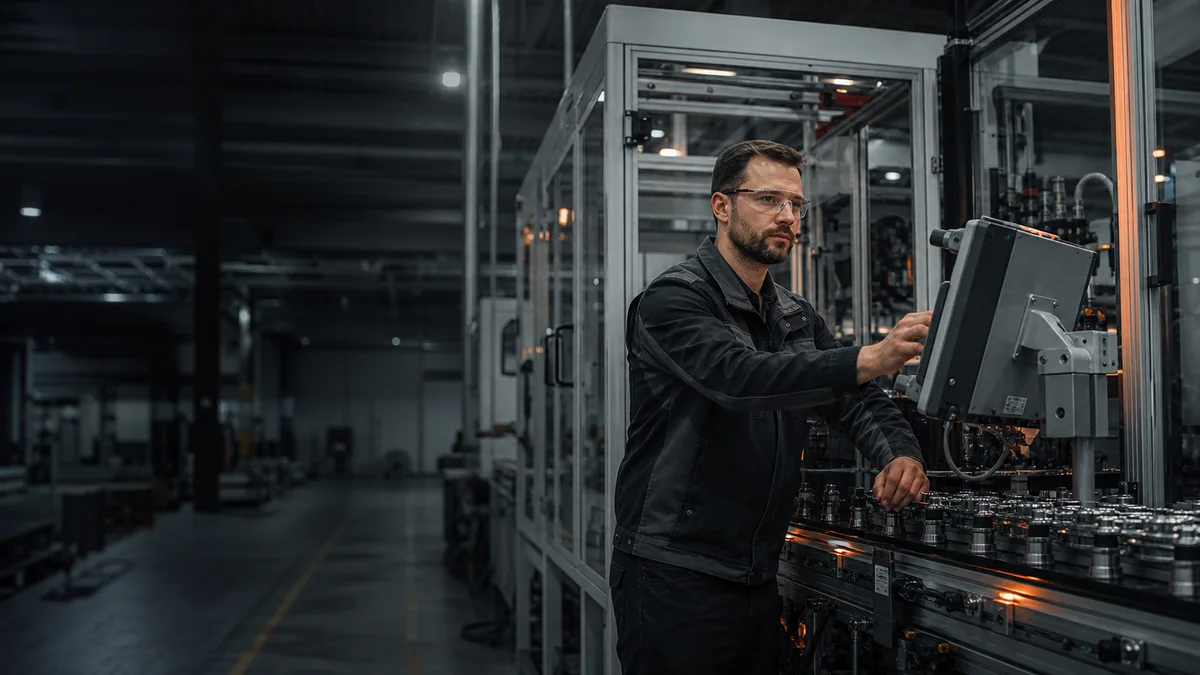
Metalworking depth and strong German-language ties.
Explore profile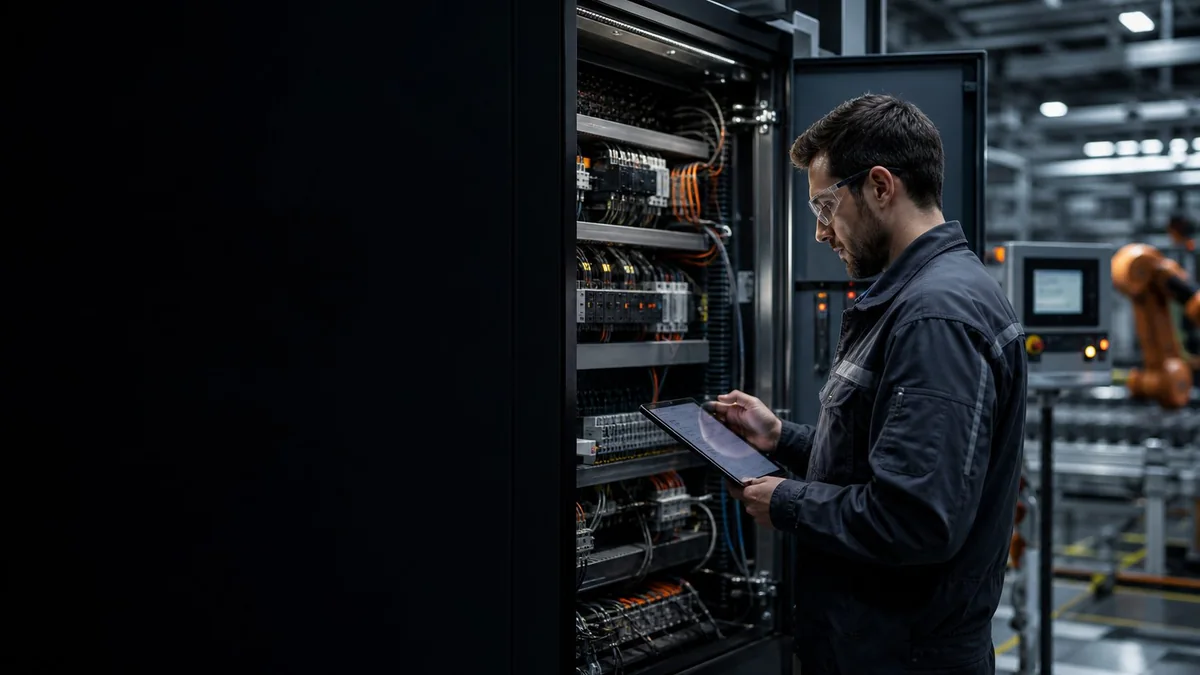
The region's largest automotive-supplier and electronics base.
Explore profile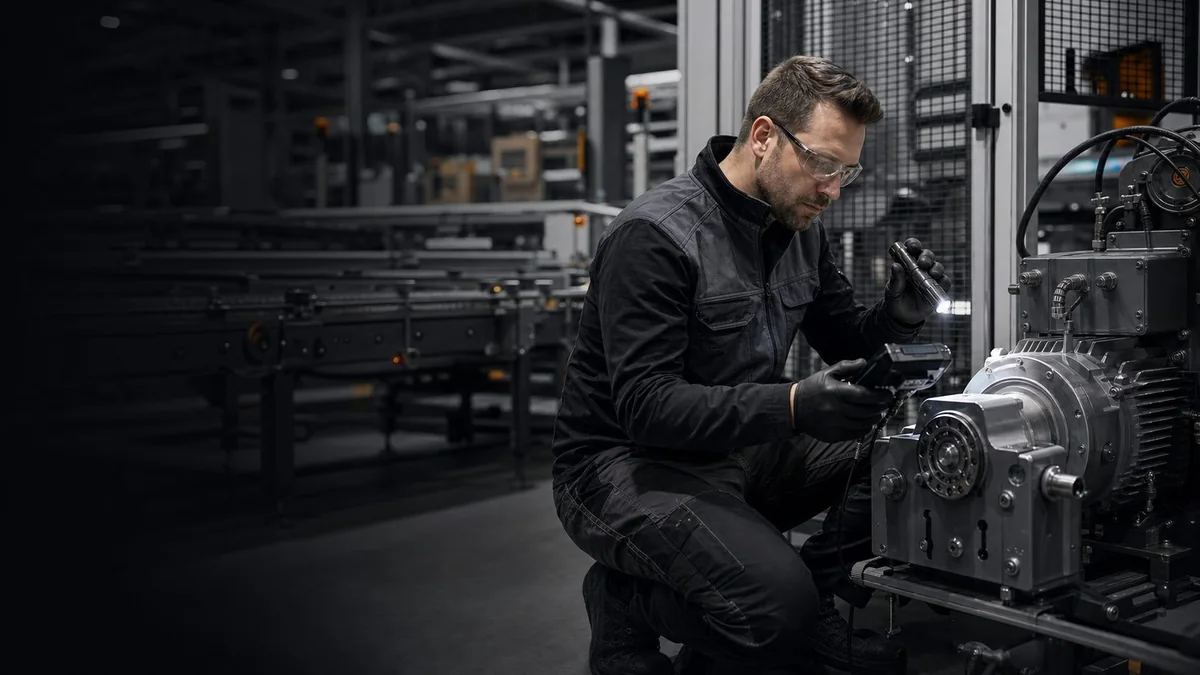
A focused automotive-components sector around its economic zones.
Explore profile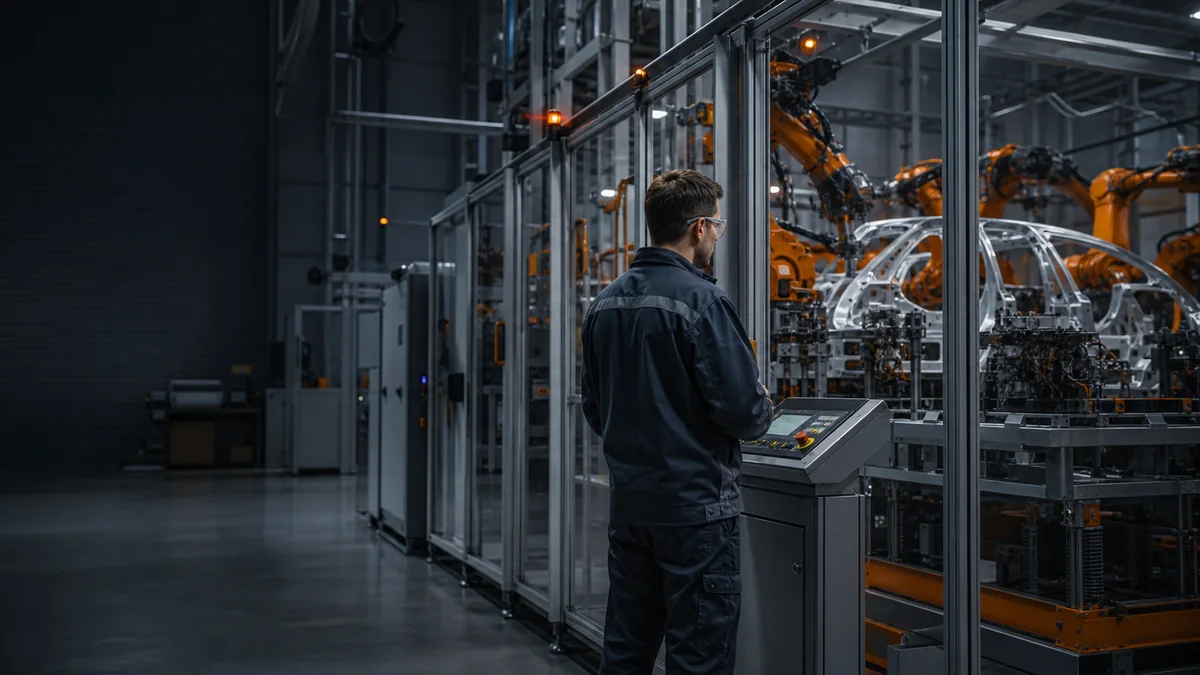
An EU member — a different legal and mobility status entirely.
Explore profileFAQ
Three concrete reasons: genuine industrial depth (established manufacturing, metalworking, automotive-supply and machine-building sectors with vocational training behind them), geographic proximity to Western and Central Europe that keeps interviews and travel-heavy roles practical, and a diversity of technician specialisations rather than one generic trade. These improve your odds of finding the right person; they are not claims about any individual candidate.
No, and we will not claim it. Work ethic, reliability and skill are individual characteristics, not regional ones, and any resource that promises them by region is selling a stereotype rather than a candidate. What the region genuinely offers is a deep, diverse pool with relevant industrial experience. You still assess and verify each person individually, exactly as you would a local hire.
It depends on your need, because the countries differ. Serbia has the largest automotive-supplier and electronics base; Bosnia and Herzegovina has metalworking depth and strong German-language ties; North Macedonia has a focused automotive-components sector; Kosovo has a very young workforce with strong German diaspora links; and Croatia is a full EU member with a different legal status. The country pages set out each one.
Fundamentally. Croatia is a member of the European Union, the Eurozone and the Schengen Area, so freedom of movement applies and the work-authorisation questions that shape hiring from the other countries largely do not arise for EU-based employers. We treat Croatia separately for exactly that reason, so the legal distinction is never blurred.
On Candidate Force. Balkan Technician explains the region and the profiles so you can source responsibly; Candidate Force is where you explore profiles, publish your vacancy, receive applications and manage the process. English-language employers continue on candidateforce.com, German-language employers on candidateforce.de.
Explore profiles, publish your vacancy and manage the process in one place.